


Popular
What is the significance of the character Papa Emeritus in Ghost: Rock in Rio 2013?
How does the concert setting of Rock in Rio influence the performance of Ghost?
What role do the Nameless Ghouls play during the concert in Ghost: Rock in Rio 2013?
What are some key songs performed by Ghost during the Rock in Rio concert?
How does the visual presentation of Ghost's performance contribute to the overall experience of the concert?
Should I watch it?
Ask Your Own Question

What is the plot?
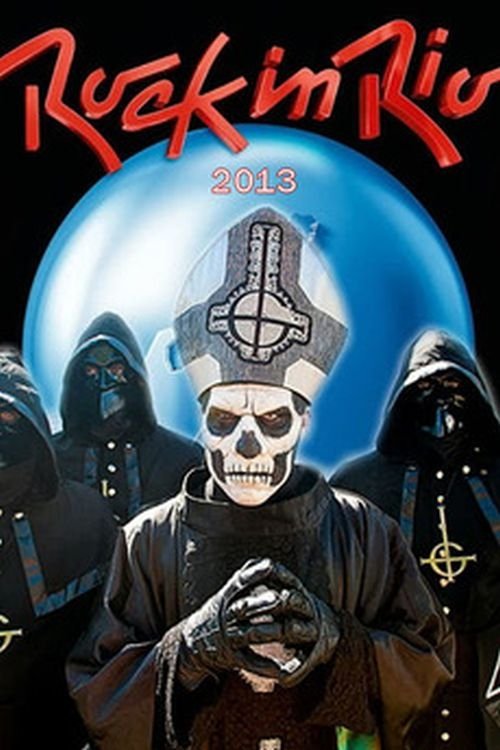
"Ghost: Rock in Rio 2013" opens on the vibrant festival grounds of Cidade do Rock in Rio de Janeiro, Brazil, on September 19, 2013. The sun has set, and the stage is bathed in ominous, ritualistic lighting that sets the tone for what is about to unfold. The crowd pulses with anticipation as the Swedish rock band Ghost takes the stage, their presence both theatrical and enigmatic. The lead vocalist, Papa Emeritus, clad in his distinctive papal vestments, steps forward with an aura of dark charisma, flanked by the Nameless Ghouls--masked instrumentalists whose anonymity adds to the mystique. Without a word spoken, the band launches into the opening track "Infestissumam," the music weaving a spell over the audience, blending heavy riffs with haunting melodies.
The stage itself is a spectacle of occult symbolism and gothic grandeur, adorned with props and lighting that evoke a ritualistic atmosphere. The Nameless Ghouls move with precision and intensity, their identical masks reflecting the stage lights as they play with synchronized ferocity. Papa Emeritus commands the stage with a theatrical flair, his gestures and expressions amplifying the dark, almost sacred themes of the music. The crowd responds with fervor, caught in the hypnotic energy of the performance.
As the set progresses, songs like "Per Aspera ad Inferi" and others from the Infestissumam album unfold, each accompanied by carefully crafted visuals that enhance the band's occult narrative. The music itself serves as the medium through which the band communicates their artistic vision--there are no spoken dialogues or character interactions beyond the music and stagecraft. The atmosphere is electric, a blend of reverence and rebellion, drawing the audience deeper into the band's dark mythology.
Throughout the concert, the focus remains on the music and the immersive experience rather than on any traditional narrative or plot development. There are no confrontations, no deaths, no character arcs or revelations in the conventional sense. The band's personas--Papa Emeritus and the Nameless Ghouls--remain enigmatic, their identities and backstories hinted at only through the symbolism and theatrical presentation rather than explicit storytelling.
As the night deepens, the band delivers a powerful performance of each song, building momentum with every note. The audience is fully engaged, their energy feeding into the band's intensity. The concert reaches its natural crescendo with the final track, "Con Clavi Con Dio," a song that encapsulates the ritualistic and grandiose themes of the evening. Papa Emeritus leads the band through this climactic moment, the stage awash in dramatic lighting and the crowd erupting in applause.
With the final chords fading, the band members take their bows and exit the stage, leaving behind a charged atmosphere of awe and satisfaction. The camera captures the crowd's ecstatic reaction, the sea of fans illuminated by stage lights and the glow of their phones, a testament to the powerful connection forged during the performance. The film closes on this note of communal celebration, the ritual complete.
"Ghost: Rock in Rio 2013" is not a narrative film with a traditional plot, characters, or story elements. It is a concert film that documents a live musical event, focusing on the band's theatrical stage presence, the power of their music, and the atmosphere of the festival. There are no deaths, confrontations, or plot twists. The entire experience is a flowing, immersive ritual of sound and spectacle, culminating in a triumphant finale that leaves the audience--and the viewer--transfixed.
More Movies Like This
Browse All Movies →





What is the ending?
In the ending of "Ghost: Rock in Rio 2013," the band Ghost performs their final song at the festival, captivating the audience with their theatrical presence. The performance is a culmination of their journey, showcasing their unique blend of music and visual artistry. As the concert concludes, the band members, cloaked in their signature costumes, leave the stage to thunderous applause, solidifying their place in rock history.
As the lights dim and the crowd roars, the camera captures the exhilaration and emotional release of the fans, reflecting the powerful connection between the band and their audience. The film closes with a sense of triumph, leaving viewers with the lasting impact of Ghost's performance and the celebration of rock music.
Now, let's delve into the ending in a more detailed, chronological narrative.
The final scenes of "Ghost: Rock in Rio 2013" unfold as the sun sets over the iconic festival grounds, casting a golden hue over the stage. The atmosphere is electric, filled with anticipation as the crowd buzzes with excitement. Ghost, known for their theatrical performances, prepares to take the stage, and the tension is palpable.
As the band members, adorned in their distinctive costumes and face paint, step into the spotlight, the audience erupts in cheers. The lead vocalist, Papa Emeritus, exudes charisma, his presence commanding attention as he engages with the crowd. The opening notes of their first song resonate through the air, and the audience is immediately entranced by the haunting melodies and powerful riffs.
Scene by scene, the performance unfolds with meticulous choreography and striking visuals. The band moves in sync, creating a mesmerizing spectacle that captivates the thousands of fans in attendance. The camera pans across the sea of faces, capturing the joy, excitement, and emotional connection of the audience as they sing along, lost in the music.
As the concert progresses, the energy builds, and the band plays a series of their most popular songs, each one met with roaring applause and enthusiastic cheers. The visuals are stunning, with elaborate stage designs and lighting that enhance the overall experience. The emotional highs and lows of the music resonate deeply with the crowd, creating a shared moment of euphoria.
In a particularly poignant moment, Papa Emeritus addresses the audience, expressing gratitude for their support and the power of music to unite people. His words resonate with the fans, who respond with a wave of cheers and applause, reinforcing the bond between the band and their followers.
As the final song approaches, the atmosphere reaches a fever pitch. The band plays their closing number, a powerful anthem that encapsulates their journey and the themes of their music. The performance is a celebration of rock and roll, filled with passion and intensity. The crowd sings along, their voices blending with the music, creating a powerful chorus that echoes through the festival grounds.
As the last notes fade, the stage is illuminated with a dazzling display of lights, and the audience erupts into a frenzy of applause and cheers. The band members take a moment to soak in the overwhelming response, their faces reflecting a mix of joy and fulfillment. They bow to the audience, acknowledging the love and support they have received.
With the concert concluded, the band members exit the stage, leaving behind a legacy that will resonate with fans long after the festival ends. The camera captures the lingering excitement in the air, the crowd still buzzing with energy as they celebrate the unforgettable experience they just witnessed.
In the aftermath, the film closes with a montage of the festival, highlighting the impact of Ghost's performance on the audience and the world of rock music. The final shot lingers on the empty stage, a testament to the power of music and the indelible mark Ghost has left on their fans and the genre itself. Each character, from the band members to the fans, is left with a sense of fulfillment and connection, encapsulating the essence of the rock experience.
Is there a post-credit scene?
"Ghost: Rock in Rio 2013" does not feature a post-credit scene. The film primarily focuses on the live performance of the band Ghost at the Rock in Rio festival, showcasing their theatrical stage presence and musical prowess. The concert film captures the energy of the crowd, the band's elaborate costumes, and the haunting atmosphere that Ghost is known for, but it concludes without any additional scenes or content after the credits roll. The emphasis remains on the live experience rather than any narrative continuation or additional storytelling elements.
What is the significance of the character Papa Emeritus in Ghost: Rock in Rio 2013?
Papa Emeritus serves as the enigmatic frontman of the band Ghost, embodying the theatrical and darkly charismatic presence that defines their performances. His character is central to the band's identity, representing a blend of horror and rock, and his interactions with the audience during the concert create an immersive experience that heightens the emotional stakes of the performance.
How does the concert setting of Rock in Rio influence the performance of Ghost?
The Rock in Rio setting amplifies the energy and scale of Ghost's performance, with a massive crowd that enhances the atmosphere of the concert. The vibrant lights, elaborate stage design, and the sheer size of the audience contribute to a sense of grandeur and spectacle, making the band's theatrical elements more impactful and engaging.
What role do the Nameless Ghouls play during the concert in Ghost: Rock in Rio 2013?
The Nameless Ghouls, dressed in their distinctive costumes, serve as the supporting musicians for Papa Emeritus, creating a cohesive visual and musical experience. Their anonymity adds to the mystique of the band, allowing the focus to remain on the performance and the character of Papa Emeritus, while their synchronized movements and instrumental prowess enhance the overall impact of the concert.
What are some key songs performed by Ghost during the Rock in Rio concert?
During the Rock in Rio concert, Ghost performs several key songs that showcase their unique sound and theatrical style. Notable tracks include 'Year Zero,' 'Secular Haze,' and 'Monstrance Clock,' each contributing to the narrative of the performance and allowing the audience to experience the band's blend of heavy metal and melodic elements.
How does the visual presentation of Ghost's performance contribute to the overall experience of the concert?
The visual presentation of Ghost's performance is marked by striking imagery, including elaborate costumes, atmospheric lighting, and haunting backdrops that create a surreal and immersive environment. This visual storytelling complements the music, enhancing the emotional resonance of the songs and drawing the audience deeper into the band's dark, theatrical world.
Is this family friendly?
"Ghost: Rock in Rio 2013" is a concert film featuring the band Ghost performing at the Rock in Rio festival. While the film primarily showcases the band's music and theatrical performance, there are elements that may be considered objectionable or upsetting for children or sensitive viewers.
-
Occult Themes: The band Ghost is known for its imagery and themes related to the occult, including references to Satanism and dark rituals, which may be unsettling for some viewers.
-
Visual Imagery: The performance includes elaborate stage setups with dark and macabre visuals, such as skulls, demonic figures, and other horror-inspired elements that could be frightening.
-
Costumes and Makeup: The band members, particularly the lead singer known as Papa Emeritus, wear costumes and makeup that depict ghostly and sinister appearances, which might be disturbing to younger audiences.
-
Lyrical Content: Some of the lyrics in the songs performed may contain themes of death, darkness, and rebellion, which could be inappropriate for children.
-
Audience Reactions: The concert atmosphere includes enthusiastic crowd reactions, which may involve intense emotions and behaviors that could be overwhelming for sensitive viewers.
Overall, while the film is primarily a musical performance, the thematic elements and visual presentation may not be suitable for all children or sensitive individuals.








