



Popular
What are the key themes explored in Reza Abdoh's theatrical works as depicted in the film?
How does the film portray Reza Abdoh's relationship with his actors?
What specific productions of Reza Abdoh are featured in the documentary?
How does the film depict Reza Abdoh's struggles with his health?
What role does the Los Angeles theater scene play in Abdoh's story as presented in the film?
Should I watch it?
Ask Your Own Question

What is the plot?
Sorry, we aren't able to watch and write up a full detailed plot yet. Check back in a few days.









What is the ending?
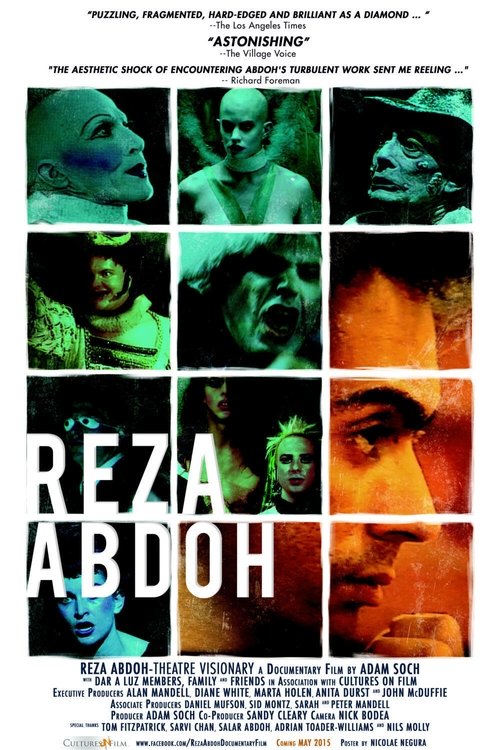
In the ending of "Reza Abdoh: Theater Visionary," the film culminates in a poignant reflection on Abdoh's legacy and the impact of his work. It showcases the emotional responses of those who were influenced by his theatrical vision, emphasizing the lasting impression he left on the world of performance art. The film concludes with a sense of both loss and celebration, as it honors Abdoh's innovative spirit and the profound connections he forged through his art.
As the film approaches its conclusion, it transitions into a series of reflective scenes that highlight the aftermath of Reza Abdoh's life and work. The screen fades into a montage of his most impactful performances, interspersed with interviews from actors, collaborators, and critics who recount their experiences with him. Each individual shares their personal stories, revealing how Abdoh's unique approach to theater challenged them and pushed the boundaries of their creativity.
In one scene, a former actor recalls the intensity of rehearsals, describing how Abdoh demanded authenticity and vulnerability from his performers. The actor's voice trembles with emotion as they recount a particularly powerful moment on stage, where the audience was left breathless, fully immersed in the raw energy that Abdoh cultivated. This scene is underscored by clips of the performance, showcasing the visceral reactions of the audience, their faces illuminated by the stage lights, reflecting a mix of awe and discomfort.
The film then shifts to Abdoh's personal struggles, revealing the toll that his relentless pursuit of artistic excellence took on his health and relationships. A close friend shares a heartfelt memory of a late-night conversation where Abdoh expressed his fears about mortality and the legacy he would leave behind. This moment is depicted with soft lighting, emphasizing the intimacy of their bond, as the camera lingers on Abdoh's expressive face, capturing the weight of his thoughts.
As the narrative progresses, the film juxtaposes these personal reflections with scenes of Abdoh's groundbreaking productions, illustrating how his work resonated with themes of identity, sexuality, and the human condition. The audience witnesses the powerful imagery and bold storytelling that defined Abdoh's style, leaving a lasting impact on the theater community.
In the final moments, the film returns to the present, where a gathering of artists and admirers convenes to celebrate Abdoh's legacy. The atmosphere is filled with a mix of joy and sorrow, as attendees share stories and memories, lighting candles in his honor. The camera pans across the room, capturing the diverse faces of those who were touched by Abdoh's vision, each one reflecting a deep appreciation for the transformative power of his art.
The film concludes with a poignant message about the importance of creativity and the enduring influence of visionary artists like Reza Abdoh. As the screen fades to black, the audience is left with a sense of hope and inspiration, a reminder that while Abdoh may no longer be with them, his spirit lives on through the art he created and the lives he changed.
Is there a post-credit scene?
The documentary "Reza Abdoh: Theater Visionary" does not contain a post-credit scene. The film concludes with a reflection on Abdoh's impact on theater and the lasting legacy of his work, leaving viewers with a sense of contemplation about his innovative contributions to the performing arts. The focus remains on his artistic vision and the emotional resonance of his performances, rather than any additional scenes or content after the credits.
What are the key themes explored in Reza Abdoh's theatrical works as depicted in the film?
The film delves into themes of identity, sexuality, and the human condition, showcasing how Abdoh's personal experiences influenced his artistic vision.
How does the film portray Reza Abdoh's relationship with his actors?
The film highlights Abdoh's intense and often tumultuous relationships with his actors, emphasizing his demanding nature and the deep emotional connections he formed with them.
What specific productions of Reza Abdoh are featured in the documentary?
The documentary features several of Abdoh's notable productions, including 'The Blind Owl' and 'The King of the Desert,' illustrating his innovative approach to theater.
How does the film depict Reza Abdoh's struggles with his health?
The film poignantly portrays Abdoh's battle with AIDS, capturing the emotional weight of his illness and its impact on his creative output and personal life.
What role does the Los Angeles theater scene play in Abdoh's story as presented in the film?
The film contextualizes Abdoh's work within the vibrant Los Angeles theater scene of the 1990s, showcasing how it influenced his artistic style and the reception of his plays.
Is this family friendly?
"Reza Abdoh: Theater Visionary" is a documentary that explores the life and work of the avant-garde theater director Reza Abdoh. While it is a celebration of artistic expression, it does contain themes and imagery that may not be suitable for children or sensitive viewers.
Potentially objectionable or upsetting aspects include:
-
Graphic Imagery: The documentary features clips from Abdoh's performances, which often include intense and provocative visuals that may be unsettling.
-
Themes of Death and Mortality: Discussions around Abdoh's battle with AIDS and the impact of illness on his life and work may be emotionally heavy for some viewers.
-
Sexual Content: There are references to sexuality and sexual identity that are explored in a frank manner, reflecting Abdoh's own experiences and themes in his work.
-
Emotional Struggles: The film delves into Abdoh's personal struggles, including feelings of isolation and the challenges of being an artist, which may resonate deeply and evoke strong emotions.
-
Language: There may be instances of strong language used in interviews or performances that could be considered inappropriate for younger audiences.
Overall, while the documentary is a tribute to a significant figure in theater, its content may be more suitable for mature audiences who can engage with its complex themes.