



Popular
What is the significance of Harry Hoxsey's cancer treatment methods in the film?
How does the film portray the conflict between Hoxsey and the medical establishment?
What role do Hoxsey's patients play in the narrative of the film?
How does the film depict the personal life of Harry Hoxsey?
What are the key moments that highlight the legal challenges faced by Hoxsey?
Should I watch it?
Ask Your Own Question

What is the plot?
Sorry, we aren't able to watch and write up a full detailed plot yet. Check back in a few days.
More Movies Like This
Browse All Movies →






What is the ending?
In the ending of "Hoxsey: When Healing Becomes a Crime," the film culminates in a powerful confrontation between the medical establishment and the alternative healing practices championed by Harry Hoxsey. The documentary highlights the ongoing struggle of Hoxsey's clinic against legal and societal pressures, ultimately showcasing the resilience of those who believe in alternative medicine. The film concludes with a sense of unresolved tension, as the fight for alternative healing continues amidst systemic opposition.
As the film approaches its conclusion, the narrative unfolds with a series of poignant scenes that encapsulate the ongoing battle between Hoxsey's clinic and the medical authorities.
Scene 1: The camera pans over the Hoxsey clinic, a modest building filled with patients seeking hope and healing. The atmosphere is charged with a mix of desperation and determination. Harry Hoxsey, a charismatic figure, is seen interacting with patients, offering them not just treatment but also a sense of community and support. His passion for alternative medicine is palpable, as he recounts his family's history with herbal remedies and the success stories of those who have found relief through his methods.
Scene 2: The narrative shifts to the legal challenges faced by Hoxsey. A series of archival footage and interviews with medical professionals illustrate the skepticism and hostility directed towards his practices. The tension escalates as Hoxsey's clinic faces threats of closure from state authorities. The emotional weight of these scenes is heavy, as patients express their fears of losing their only source of hope. Hoxsey's resolve is tested, but he remains steadfast, driven by a deep-seated belief in his methods.
Scene 3: The film then transitions to a pivotal moment in a courtroom, where Hoxsey stands trial for practicing medicine without a license. The courtroom is filled with tension as Hoxsey defends his right to offer alternative treatments. His passion shines through as he speaks about the failures of conventional medicine and the lives he has saved. The audience can feel the stakes rising, as the outcome of this trial could determine the future of his clinic and the patients who rely on him.
Scene 4: Following the trial, the film captures the aftermath of the verdict. Hoxsey is ultimately found guilty, and the clinic faces closure. The emotional impact is profound, as patients express their heartbreak and anger at the system that has failed them. Hoxsey, however, remains undeterred. He vows to continue his fight for alternative medicine, embodying a spirit of resilience that resonates throughout the film.
Scene 5: The final scenes depict Hoxsey's ongoing efforts to advocate for alternative healing. Despite the legal setbacks, he continues to treat patients, emphasizing the importance of choice in healthcare. The film closes with a montage of patients sharing their stories of hope and healing, underscoring the enduring belief in Hoxsey's methods. The screen fades to black, leaving viewers with a lingering sense of the ongoing struggle between conventional medicine and alternative practices.
In summary, the ending of "Hoxsey: When Healing Becomes a Crime" encapsulates the relentless pursuit of healing against formidable opposition. Hoxsey's fate is one of continued defiance, as he remains committed to his patients and his beliefs, while the film leaves the audience contemplating the broader implications of the conflict between established medical practices and alternative healing.
Is there a post-credit scene?
The movie "Hoxsey: When Healing Becomes a Crime" does not contain a post-credit scene. The film concludes its narrative without any additional scenes or content after the credits roll. The focus remains on the story of Harry Hoxsey and the struggles he faced in promoting his alternative cancer treatment, as well as the broader implications of the medical establishment's response to unconventional healing methods. The film ends on a reflective note, emphasizing the ongoing conflict between traditional medicine and alternative therapies.
What is the significance of Harry Hoxsey's cancer treatment methods in the film?
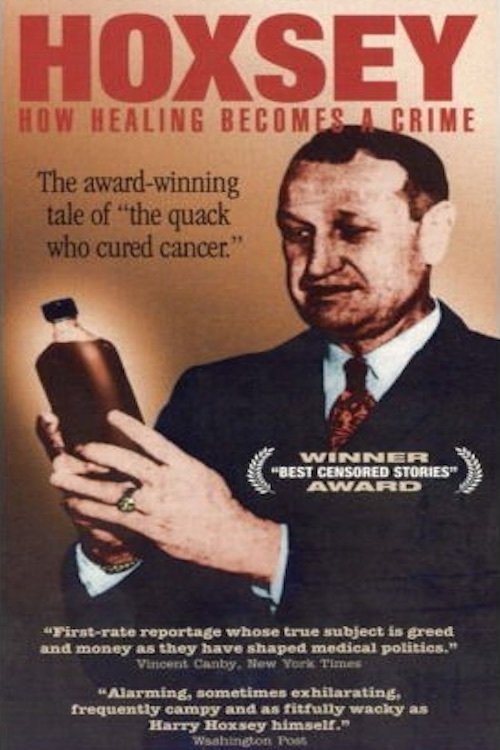
Harry Hoxsey's cancer treatment methods are central to the film, showcasing his use of herbal remedies derived from a family tradition. The film details how Hoxsey's approach contrasts sharply with conventional medical practices, emphasizing his belief in the body's ability to heal itself through natural means. His methods, which include a specific herbal formula, are depicted as both controversial and effective, leading to a clash with the medical establishment.
How does the film portray the conflict between Hoxsey and the medical establishment?
The film vividly illustrates the intense conflict between Hoxsey and the medical establishment, particularly through scenes of legal battles and public demonstrations. Hoxsey is shown as a passionate advocate for alternative medicine, often facing hostility from doctors and government officials who view his practices as a threat to their authority. This conflict is heightened by emotional testimonies from patients who credit Hoxsey's treatments with their recoveries, creating a stark contrast to the skepticism of the medical community.
What role do Hoxsey's patients play in the narrative of the film?
Hoxsey's patients are portrayed as pivotal characters in the narrative, providing emotional depth and personal stakes to the story. Their testimonials and experiences serve to humanize the conflict, as many share their struggles with cancer and their journeys to Hoxsey's clinic. The film captures their hope and desperation, illustrating how Hoxsey's treatments offer them a sense of agency in their fight against a terminal illness, while also highlighting the risks they face from the medical establishment.
How does the film depict the personal life of Harry Hoxsey?
The film delves into Harry Hoxsey's personal life, revealing his motivations and the emotional toll of his work. It portrays him as a complex figure, driven by a deep-seated desire to help others, stemming from his family's history with cancer. Scenes depicting his interactions with family and friends provide insight into his character, showcasing his determination and the sacrifices he makes in pursuit of his mission, as well as the loneliness that often accompanies his fight against the system.
What are the key moments that highlight the legal challenges faced by Hoxsey?
Key moments in the film highlight the legal challenges faced by Hoxsey, including courtroom scenes where he defends his practices against accusations of fraud and malpractice. The film captures the tension and drama of these legal battles, showcasing the testimonies of both supporters and detractors. Emotional stakes are raised as Hoxsey's clinic faces shutdowns and legal threats, illustrating the broader implications of his fight for alternative medicine and the personal impact on his patients and staff.
Is this family friendly?
"Hoxsey: When Healing Becomes a Crime" is a documentary that delves into the controversial practices of alternative cancer treatments, particularly focusing on the Hoxsey treatment. While the film is informative and thought-provoking, it does contain several elements that may be objectionable or upsetting for children or sensitive viewers.
-
Graphic Medical Imagery: The film includes images and footage related to cancer and its effects on patients, which can be distressing.
-
Emotional Testimonies: There are personal stories from patients and families affected by cancer, which may evoke strong emotions and sadness.
-
Discussion of Death: The documentary addresses the realities of terminal illness and the struggles faced by patients, including discussions about mortality.
-
Critique of Medical Practices: The film critiques conventional medical practices and the pharmaceutical industry, which may be unsettling for those who have a strong belief in traditional medicine.
-
Legal and Ethical Issues: The film explores the legal battles faced by alternative medicine practitioners, which may introduce complex and potentially distressing themes of injustice and suffering.
Overall, while the film aims to inform and provoke thought about alternative healing methods, its content may not be suitable for younger audiences or those who are particularly sensitive to discussions of illness and death.






