











Popular
What motivates Lamberto Quintero's son to seek revenge throughout the film?
How does the relationship between Lamberto Quintero and his son evolve throughout the film?
What role does the character of the antagonist play in Lamberto Quintero's son's journey?
What are the key events that lead to the climax of the film involving Lamberto Quintero's son?
How does the setting influence the characters' actions and decisions in El hijo de Lamberto Quintero?
Should I watch it?
Ask Your Own Question

What is the plot?
Sorry, we aren't able to watch and write up a full detailed plot yet. Check back in a few days.




What is the ending?
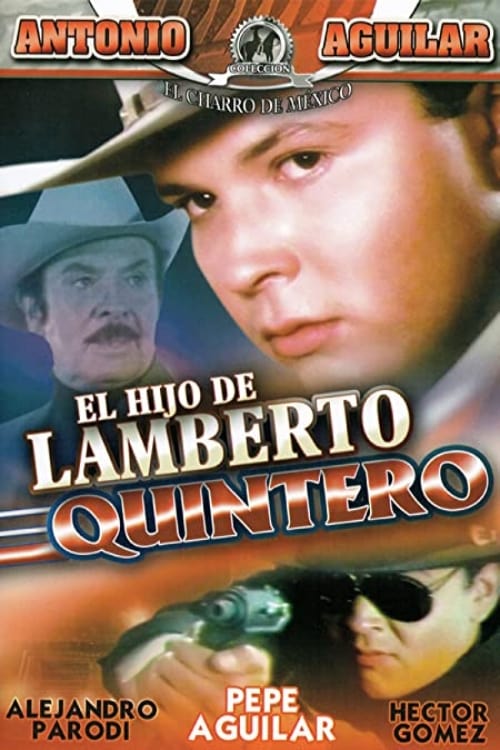
In the ending of "El hijo de Lamberto Quintero," the protagonist, Lamberto Quintero Jr., confronts the realities of his father's legacy and the violent world he inhabits. The film culminates in a tragic showdown that leads to significant losses for the characters involved, ultimately leaving Lamberto Jr. to grapple with the consequences of his father's actions and the cycle of violence that ensues.
As the film approaches its conclusion, Lamberto Jr. finds himself increasingly entangled in the criminal underworld that his father, Lamberto Quintero Sr., once navigated. The tension escalates when Lamberto Jr. is faced with a choice that reflects the moral dilemmas he has inherited. He is torn between loyalty to his father's legacy and the desire to forge his own path, free from the shadows of violence and retribution.
In a climactic scene, Lamberto Jr. confronts a rival gang that has been a source of conflict throughout the film. The atmosphere is thick with tension as he prepares for a confrontation that feels inevitable. The setting is dark and gritty, reflecting the harsh realities of the life he has been drawn into. As the confrontation unfolds, gunfire erupts, and chaos ensues. Lamberto Jr. fights fiercely, but the violence takes a heavy toll.
In the midst of the chaos, key characters face their fates. Lamberto Jr. witnesses the death of a close ally, which deepens his internal conflict and sense of loss. The emotional weight of the moment is palpable, as he grapples with the consequences of the life he has chosen. The rival gang members are also caught in the crossfire, leading to a brutal resolution that leaves many dead.
As the dust settles, Lamberto Jr. is left standing amidst the wreckage, both physically and emotionally scarred. The final scenes depict him reflecting on the cycle of violence that has consumed his life and the lives of those around him. He is haunted by the memories of his father and the choices that have led him to this point. The film closes on a somber note, emphasizing the tragic legacy of violence and the difficulty of breaking free from it.
In summary, the ending of "El hijo de Lamberto Quintero" serves as a poignant reminder of the impact of familial legacy and the struggle for identity in a world defined by conflict. Each character's fate is intertwined with the overarching themes of loyalty, violence, and the quest for redemption, leaving Lamberto Jr. to confront the harsh realities of his existence.
Is there a post-credit scene?
The movie "El hijo de Lamberto Quintero," produced in 1990, does not feature a post-credit scene. The film concludes its narrative without any additional scenes or content after the credits roll. The story wraps up with the resolution of the main plot, focusing on the themes of family, legacy, and the consequences of a life intertwined with crime. The ending leaves the audience with a sense of closure regarding the characters' journeys, particularly that of the protagonist, who grapples with his father's legacy and his own choices.
What motivates Lamberto Quintero's son to seek revenge throughout the film?
Lamberto Quintero's son, who is deeply affected by the legacy of his father's violent past, is driven by a desire to reclaim his family's honor and avenge the wrongs done to them. His internal struggle is marked by a mix of anger, confusion, and a longing for acceptance, which propels him into a world of crime and violence.
How does the relationship between Lamberto Quintero and his son evolve throughout the film?
Initially, the relationship is strained, as Lamberto's son grapples with the shadow of his father's notorious reputation. As the story progresses, moments of vulnerability and shared experiences reveal a complex bond, where the son seeks his father's approval while also trying to forge his own identity, leading to both conflict and moments of understanding.
What role does the character of the antagonist play in Lamberto Quintero's son's journey?
The antagonist serves as a catalyst for the son's transformation, embodying the very violence and betrayal that Lamberto Quintero's family has faced. This character's actions force the son to confront his own values and the cycle of vengeance, ultimately pushing him towards a path of self-discovery and moral questioning.
What are the key events that lead to the climax of the film involving Lamberto Quintero's son?
Key events leading to the climax include the son's discovery of his father's past, confrontations with rival gangs, and the betrayal of a close ally. Each event escalates the tension and propels the son closer to a decisive confrontation, where he must choose between revenge and breaking the cycle of violence.
How does the setting influence the characters' actions and decisions in El hijo de Lamberto Quintero?
The gritty urban landscape serves as a backdrop that reflects the chaos and danger of the characters' lives. The setting influences their actions, as the son navigates through a world filled with crime, loyalty, and betrayal, shaping his decisions and ultimately leading him to confront the legacy of his father.
Is this family friendly?
"El hijo de Lamberto Quintero" is a film that contains themes and scenes that may not be suitable for children or sensitive viewers. Here are some potentially objectionable aspects:
-
Violence: The film includes scenes of violence that may be intense or disturbing, reflecting the harsh realities of the characters' lives.
-
Crime and Corruption: The narrative revolves around crime, including drug trafficking and the impact of organized crime, which may be unsettling for younger audiences.
-
Emotional Turmoil: Characters experience significant emotional distress, including themes of betrayal, loss, and revenge, which could be heavy for sensitive viewers.
-
Mature Themes: The film explores complex adult themes such as familial loyalty, moral ambiguity, and the consequences of a life of crime, which may not be appropriate for children.
-
Language: There may be strong language used throughout the film that could be considered inappropriate for younger audiences.
These elements contribute to a narrative that is more suited for mature viewers, as it delves into the darker aspects of human experience and societal issues.







