














Popular
What role does Perry Mason play in the investigation of the murder?
How does the character of Della Street contribute to the plot?
What key evidence does Perry Mason uncover that changes the direction of the case?
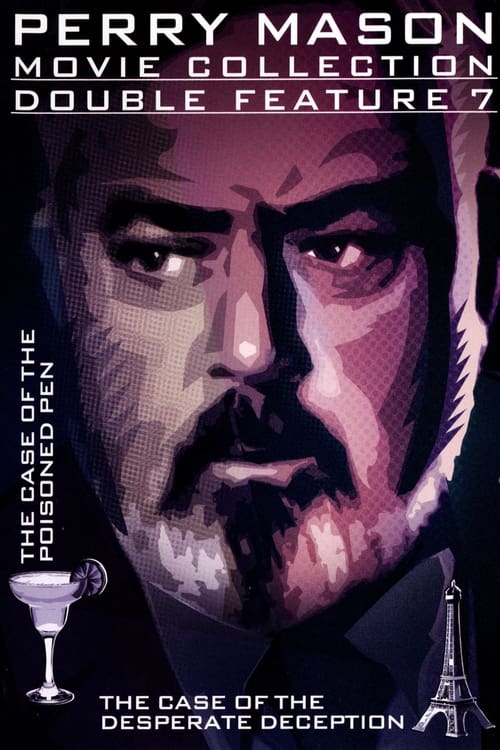
Who is the main antagonist in Perry Mason: The Case of the Desperate Deception?
What is the significance of the character of the victim in the story?
Should I watch it?
Ask Your Own Question

What is the plot?
Sorry, we aren't able to watch and write up a full detailed plot yet. Check back in a few days.
More Movies Like This
Browse All Movies →







What is the ending?
In the ending of "Perry Mason: The Case of the Desperate Deception," Perry Mason successfully uncovers the truth behind the murder of a wealthy businessman. He reveals that the true murderer is not the person initially accused, but rather a character with a hidden motive. The film concludes with Perry exonerating the innocent party, restoring justice, and showcasing the resilience of truth.
As the climax of the film unfolds, the tension in the courtroom reaches a fever pitch. Perry Mason, portrayed by Raymond Burr, stands before the jury, his demeanor calm yet commanding. The atmosphere is thick with anticipation as he prepares to reveal the true sequence of events surrounding the murder of the businessman, whose death has sent shockwaves through the community.
Scene by scene, the narrative progresses as follows:
The courtroom is filled with spectators, and the judge calls for order. Perry, with his trademark confidence, begins to piece together the evidence that has been presented throughout the trial. He recalls the testimony of various witnesses, each contributing to the complex web of deceit that has ensnared the accused, a young woman named Laura, who is desperate to prove her innocence.
Perry's first key moment comes when he confronts a witness who had previously provided a shaky alibi for Laura. He skillfully dissects the witness's statements, revealing inconsistencies that suggest a deeper involvement in the crime. The witness, visibly sweating and nervous, begins to crack under Perry's relentless questioning.
Next, Perry introduces a crucial piece of evidence: a letter that had been overlooked during the investigation. This letter, which he presents to the court, contains a confession from the real murderer, a character who had been lurking in the shadows throughout the trial. The revelation sends shockwaves through the courtroom, and gasps can be heard from the audience.
As the truth unfolds, the camera shifts to Laura, who watches with a mix of hope and fear. Her emotional state is palpable; she has endured the weight of suspicion and the threat of conviction. Perry's determination to clear her name fuels her resolve, and she clings to the hope that justice will prevail.
In a dramatic turn, Perry calls the real murderer to the stand. The tension escalates as the murderer, cornered and desperate, attempts to maintain their facade. However, Perry's incisive questioning exposes the motive behind the crime--a tangled mix of jealousy and greed that had driven the murderer to commit the heinous act.
The courtroom scene culminates in a powerful moment when Perry delivers his closing argument. He appeals to the jury's sense of justice, urging them to look beyond the surface and recognize the truth that has been obscured by lies. His words resonate deeply, and the jury is visibly moved.
As the jury deliberates, the tension is palpable. The camera captures the anxious faces of those waiting for the verdict. Finally, the jury returns, and the foreman announces that Laura is found not guilty. A wave of relief washes over her, and tears of joy fill her eyes. Perry, standing beside her, shares in her triumph, a testament to his unwavering belief in her innocence.
In the aftermath, the film concludes with a sense of closure. Laura expresses her gratitude to Perry, acknowledging the pivotal role he played in her exoneration. Perry, ever humble, reminds her that the truth is what ultimately set her free.
The final scenes show Perry reflecting on the case, emphasizing the importance of seeking justice and the lengths one must go to uncover the truth. The film ends on a hopeful note, with Perry Mason continuing his work as a defender of the innocent, ready to take on the next challenge that comes his way.
In summary, the fates of the main characters are as follows: Laura is exonerated and free to start anew, while the true murderer faces the consequences of their actions, ensuring that justice is served. Perry Mason, as always, remains a steadfast champion of truth, embodying the ideals of justice and integrity.
Is there a post-credit scene?
"Perry Mason: The Case of the Desperate Deception," produced in 1990, does not feature a post-credit scene. The film concludes with the resolution of the central mystery, focusing on Perry Mason's triumph in court and the restoration of justice. The ending wraps up the narrative without any additional scenes or content after the credits. The film's conclusion emphasizes the themes of truth and perseverance, leaving the audience with a sense of closure regarding the characters and their journeys.
What role does Perry Mason play in the investigation of the murder?
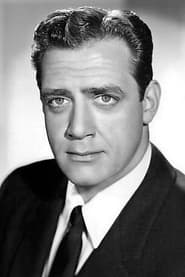
Perry Mason, portrayed by Raymond Burr, takes on the case to defend a woman accused of murder, using his sharp legal mind and investigative skills to uncover the truth behind the deception.
How does the character of Della Street contribute to the plot?
Della Street, played by Barbara Hale, serves as Perry Mason's loyal assistant, providing crucial support in gathering evidence and piecing together the mystery surrounding the case.
What key evidence does Perry Mason uncover that changes the direction of the case?
Perry Mason uncovers a crucial piece of evidence involving a forged document that reveals the true nature of the relationships between the characters, ultimately leading to the resolution of the case.
Who is the main antagonist in Perry Mason: The Case of the Desperate Deception?
The main antagonist in the film is a character named Paul Drake, who is involved in a conspiracy that leads to the murder of a prominent figure.
What is the significance of the character of the victim in the story?
The victim, a wealthy businessman, is central to the plot as his murder sets off a chain of events that reveals hidden motives and connections among the characters involved.
Is this family friendly?
"Perry Mason: The Case of the Desperate Deception" is generally considered family-friendly, but it does contain some elements that may be objectionable or upsetting for children or sensitive viewers. Here are a few aspects to consider:
-
Murder and Crime Themes: The central plot revolves around murder, which may be unsettling for younger viewers. The investigation includes discussions of death and the implications of criminal behavior.
-
Emotional Tension: There are scenes that depict emotional distress, particularly among characters who are affected by the murder and its consequences. This may evoke feelings of sadness or anxiety.
-
Confrontational Scenes: The courtroom drama includes confrontations and intense exchanges between characters, which might be intense for some viewers.
-
Deception and Betrayal: Themes of deception and betrayal are prevalent, which could be confusing or distressing for younger audiences trying to understand the moral implications.
-
Mature Themes: While not explicit, there are underlying themes of trust, loyalty, and the darker sides of human nature that may require a more mature understanding.
Overall, while the film is not graphic or overly violent, the themes and emotional weight may not be suitable for very young children or those sensitive to such topics.









