



















Popular
Should I watch it?
Ask Your Own Question

What is the plot?
Sorry, we aren't able to watch and write up a full detailed plot yet. Check back in a few days.









What is the ending?
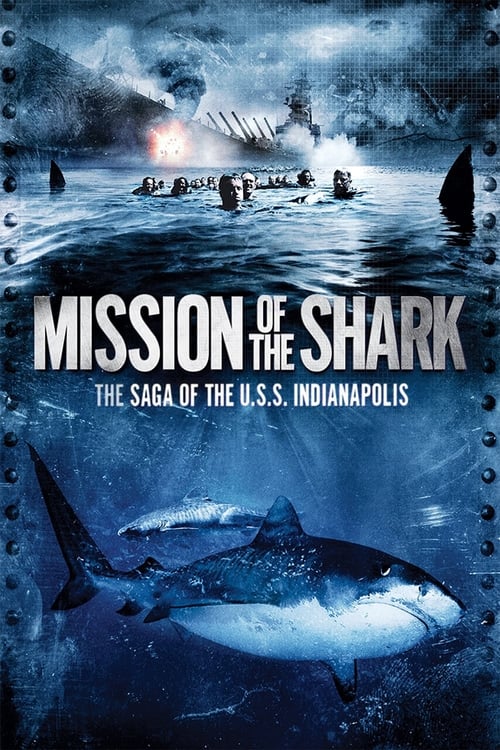
In the ending of "Mission of the Shark: The Saga of the U.S.S. Indianapolis," the survivors of the USS Indianapolis are finally rescued after enduring harrowing days at sea, facing starvation, dehydration, and shark attacks. The film concludes with the acknowledgment of the tragedy and the loss of life, as well as the emotional toll on the survivors and the Navy.
As the film approaches its climax, the scene shifts to the vast, unforgiving ocean where the survivors of the USS Indianapolis are clinging to life. The sun beats down mercilessly, and the water is a deep, menacing blue, contrasting sharply with the desperation etched on the faces of the men. They are scattered in small groups, some floating on makeshift rafts, while others tread water, their bodies weak from exhaustion and fear.
The camera focuses on Captain Charles McVay, portrayed with a deep sense of responsibility and guilt. He is haunted by the loss of his crew and the decisions that led them to this dire situation. As he looks around at his men, the weight of leadership bears heavily on him. He tries to maintain morale, urging them to hold on, to keep fighting for survival. His voice is strained, yet filled with determination, as he reassures them that help will come.
Days pass, and the men face the grim reality of their situation. The ocean is not only a vast expanse of water but also a predator, as sharks begin to circle, drawn by the scent of blood and desperation. The tension escalates as the men struggle against their fear, their bodies growing weaker. The film captures the raw emotion of their plight, showcasing moments of camaraderie and despair. Some men succumb to the elements, while others are lost to the sharks, their screams echoing in the stillness of the sea.
Finally, in a moment of hope, a plane flies overhead. The survivors, weak and barely able to raise their arms, wave frantically, their voices hoarse from shouting. The plane circles back, and the crew spots them, leading to a frantic rescue operation. The camera captures the relief and disbelief on the faces of the men as they are pulled from the water, their bodies sunburned and emaciated, but alive.
As they are brought aboard the rescue ship, the emotional weight of their ordeal is palpable. Captain McVay, still grappling with his guilt, watches as his men are treated for their injuries. The film emphasizes the bond formed between the crew, their shared trauma uniting them in a way that words cannot express. Each survivor carries the scars of their experience, both physical and emotional.
In the final scenes, the film shifts to a somber reflection on the fate of the USS Indianapolis and its crew. The audience is reminded of the lives lost and the impact of the tragedy on those who survived. Captain McVay faces a court-martial, a symbol of the blame placed on him for the sinking of the ship, despite the overwhelming circumstances. The film closes with a poignant acknowledgment of the bravery and sacrifice of the men who served aboard the Indianapolis, leaving viewers with a sense of the profound loss and the enduring spirit of survival.
Is there a post-credit scene?
The movie "Mission of the Shark: The Saga of the U.S.S. Indianapolis" does not have a post-credit scene. The film concludes with a focus on the harrowing experiences of the crew after the sinking of the USS Indianapolis and the subsequent rescue efforts. The narrative wraps up with a poignant reflection on the tragedy and the bravery of those involved, leaving the audience with a sense of the profound loss and heroism displayed during this historical event.
What events led to the sinking of the U.S.S. Indianapolis?
The U.S.S. Indianapolis was on a secret mission to deliver components for the atomic bomb to the island of Tinian. After successfully completing this mission, the ship was torpedoed by a Japanese submarine, the I-58, while sailing unescorted in the Philippine Sea.
How did the crew react during the sinking of the ship?
As the torpedoes struck, chaos erupted on the ship. Crew members scrambled to abandon ship, some were injured or trapped, and there was a palpable sense of fear and confusion as they realized the severity of the attack. The ship sank rapidly, leaving many men in the water.
What challenges did the survivors face after the ship sank?
The survivors faced numerous challenges, including exposure to the sun, dehydration, and the threat of shark attacks. They struggled to stay afloat, rationing their limited supplies of water and dealing with the psychological toll of being stranded in the vast ocean.
Who is Captain Charles McVay and what is his role in the story?
Captain Charles McVay is the commanding officer of the U.S.S. Indianapolis. He is portrayed as a dedicated and honorable leader who feels immense guilt over the loss of his ship and crew. His character grapples with the burden of responsibility and the aftermath of the tragedy.
What is the significance of the shark attacks in the film?
The shark attacks serve as a harrowing element of survival for the stranded sailors. As they float in the water, the presence of sharks adds to their terror and desperation, symbolizing the brutal reality of their situation and the fight for survival against both nature and their own despair.
Is this family friendly?
"Mission of the Shark: The Saga of the U.S.S. Indianapolis" is a dramatic retelling of a historical event, and while it is not excessively graphic, it does contain several elements that may be upsetting for children or sensitive viewers.
-
War Themes: The film deals with the aftermath of World War II, including the sinking of the USS Indianapolis and the experiences of the crew, which may be intense for younger audiences.
-
Survival Struggles: There are scenes depicting the harrowing struggle for survival in the open ocean, including starvation, dehydration, and the psychological toll of being stranded.
-
Shark Attacks: The presence of sharks and the threat they pose to the survivors is a significant aspect of the film, which may be frightening for some viewers.
-
Loss and Grief: The emotional weight of loss, as many crew members do not survive, is portrayed, which could be distressing for sensitive viewers.
-
Tension and Conflict: The film includes moments of high tension and conflict among the crew, reflecting the stress of their dire situation.
These elements contribute to the film's serious tone and may not be suitable for very young children or those who are particularly sensitive to themes of war and survival.







