
























Popular
What motivates Émile Nelligan to pursue poetry despite the challenges he faces?
How does Nelligan's relationship with his mother influence his character development?
What role does the theme of isolation play in Nelligan's life and work?
How does Nelligan's mental health affect his relationships with other characters?
What significance does the setting of early 20th century Montreal have on Nelligan's story?
Should I watch it?
Ask Your Own Question

What is the plot?
Sorry, we aren't able to watch and write up a full detailed plot yet. Check back in a few days.



What is the ending?
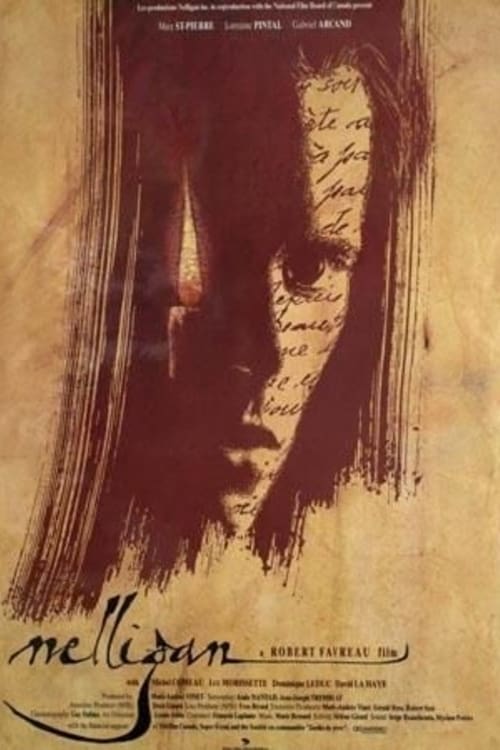
In the ending of "Nelligan," the protagonist, Émile Nelligan, faces the culmination of his struggles with mental illness and the impact of his artistic genius. He is ultimately confined to an asylum, where he reflects on his life and the loss of his poetic voice. The film concludes with a poignant sense of isolation and the tragic fate of a brilliant mind overshadowed by despair.
As the final scenes unfold, we find Émile Nelligan in the asylum, a stark and sterile environment that contrasts sharply with the vibrant world of poetry he once inhabited. The walls are white and unyielding, echoing the silence that has enveloped his once-creative spirit. Émile, portrayed with a haunting intensity, wanders the halls, his eyes filled with a mixture of longing and resignation. He is a shadow of the passionate poet he once was, his mind clouded by the weight of his mental illness.
In a series of flashbacks interspersed with his present reality, we see glimpses of Émile's earlier life--his fervent love for poetry, the admiration of his peers, and the deep connections he formed with those who understood his art. These memories are tinged with a bittersweet quality, highlighting the stark contrast between his past vibrancy and his current state of despair. The audience witnesses his internal struggle as he grapples with the loss of his identity and the isolation that comes with his condition.
As the film progresses, Émile's interactions with the other patients in the asylum reveal the depth of his loneliness. He attempts to connect with them, but his brilliance sets him apart, creating a barrier that he cannot cross. The other patients, each with their own stories of sorrow and loss, serve as a mirror to Émile's own plight, emphasizing the theme of isolation that permeates the narrative.
In the final moments, Émile is seen sitting alone in a small, dimly lit room, surrounded by the remnants of his past--books, papers, and the echoes of his once-eloquent voice. He clutches a pen, a symbol of his lost creativity, and stares blankly at the blank page before him. The silence is deafening, and the weight of his unfulfilled potential hangs heavily in the air. It is a moment of profound sadness, as the audience is left to ponder the fate of a man whose genius was overshadowed by his mental struggles.
The film concludes with a lingering shot of Émile, his face a canvas of sorrow and longing, as the screen fades to black. The finality of his situation is palpable, leaving viewers with a haunting sense of the tragic consequences of mental illness and the fragility of artistic brilliance. The fate of Émile Nelligan serves as a poignant reminder of the delicate balance between creativity and despair, encapsulating the essence of his life and the legacy he leaves behind.
Is there a post-credit scene?
The movie "Nelligan," produced in 1991, does not have a post-credit scene. The film concludes its narrative without any additional scenes after the credits roll. The story focuses on the life of the poet Émile Nelligan, exploring his struggles with mental illness, his artistic aspirations, and the impact of his work on his life and relationships. The ending leaves viewers with a poignant reflection on Nelligan's legacy and the tragic beauty of his poetry, encapsulating the emotional weight of his journey without any further scenes to follow.
What motivates Émile Nelligan to pursue poetry despite the challenges he faces?
Émile Nelligan is driven by a deep passion for poetry and a desire to express his innermost thoughts and emotions. His motivation is fueled by a longing for recognition and the need to articulate the complexities of his experiences, particularly his struggles with mental health and societal expectations.
How does Nelligan's relationship with his mother influence his character development?
Nelligan's relationship with his mother is complex and deeply influential. She embodies both support and pressure, as she encourages his artistic pursuits while also imposing her own expectations. This duality creates internal conflict for Nelligan, as he seeks her approval while grappling with his identity as a poet.
What role does the theme of isolation play in Nelligan's life and work?
Isolation is a recurring theme in Nelligan's life, reflecting his struggles with mental illness and societal alienation. This sense of being an outsider profoundly impacts his poetry, as he often writes about loneliness and the search for connection, which resonates with his emotional state and artistic expression.
How does Nelligan's mental health affect his relationships with other characters?
Nelligan's mental health challenges create barriers in his relationships, particularly with friends and family. His erratic behavior and emotional turmoil lead to misunderstandings and distance, causing strain with those who care for him, including his mother and fellow poets, who struggle to comprehend his internal battles.
What significance does the setting of early 20th century Montreal have on Nelligan's story?
The setting of early 20th century Montreal is significant as it reflects the cultural and artistic movements of the time, influencing Nelligan's work. The vibrant yet tumultuous atmosphere of the city serves as both a backdrop and a catalyst for his creative expression, highlighting the contrast between his inner turmoil and the external world.
Is this family friendly?
"Nelligan," produced in 1991, is a biographical drama that delves into the life of the Canadian poet Émile Nelligan. The film explores themes of mental illness, artistic struggle, and the complexities of love and loss. While it is a poignant portrayal of a troubled artist, it may not be considered family-friendly due to several potentially objectionable or upsetting aspects:
-
Mental Illness: The film addresses Émile Nelligan's descent into madness, depicting his emotional turmoil and struggles with mental health, which may be distressing for children or sensitive viewers.
-
Isolation and Loneliness: There are scenes that illustrate Nelligan's profound sense of isolation and despair, which could evoke feelings of sadness or discomfort.
-
Romantic Turmoil: The film includes elements of unrequited love and heartbreak, showcasing the emotional pain associated with romantic relationships.
-
Depictions of Suffering: The portrayal of Nelligan's suffering, both emotionally and psychologically, may be intense and difficult for younger audiences to process.
-
Dark Themes: The overall tone of the film is somber, dealing with heavy themes that may not resonate well with children or those looking for lighter content.
These elements contribute to a narrative that, while rich in artistic expression, may not be suitable for all viewers, particularly younger ones or those sensitive to such themes.







