

























Popular
Should I watch it?
Ask Your Own Question

What is the plot?
Sorry, we aren't able to watch and write up a full detailed plot yet. Check back in a few days.


What is the ending?
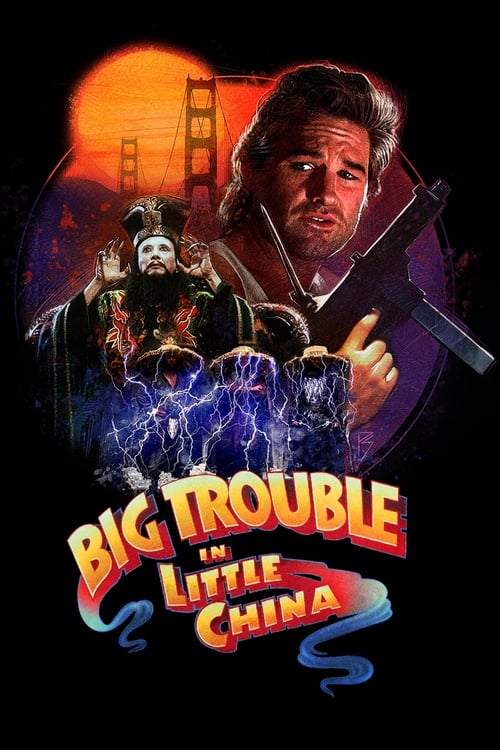
At the end of "Big Trouble in Little China," Jack Burton and his friends confront the sorcerer Lo Pan in a climactic battle. After a series of intense confrontations, they manage to defeat Lo Pan, freeing the spirits he had enslaved. Jack and his love interest, Gracie Law, share a moment of connection, while Wang Chi and Miao Yin are reunited. The film concludes with Jack driving away in his truck, reflecting on the chaos that ensued, and hinting at the ongoing adventures that await him.
Now, let's delve into the ending in a more detailed, chronological narrative.
As the final confrontation unfolds, Jack Burton, armed with his bravado and a sense of humor, finds himself deep within the lair of the ancient sorcerer Lo Pan. The atmosphere is thick with tension, illuminated by the eerie glow of mystical lights and the presence of supernatural beings. Jack, alongside his loyal friend Wang Chi, has fought through numerous challenges, but the stakes have never been higher.
In the heart of Lo Pan's lair, the sorcerer reveals his true form, a ghostly figure shrouded in ancient power. He seeks to marry Miao Yin, the beautiful green-eyed woman, to regain his corporeal form. Jack, fueled by a mix of determination and desperation, charges forward, wielding his trusty knife. The battle is chaotic, filled with flashes of energy and the sounds of clashing forces. Jack's bravado is tested as he faces not only Lo Pan but also his formidable henchmen, the Three Storms--Thunder, Rain, and Lightning--who unleash their elemental powers.
Wang Chi, driven by love and loyalty, fights valiantly alongside Jack. The two men, despite their differences, work in tandem, showcasing their growth as characters. Wang's martial arts skills complement Jack's reckless courage, and together they manage to outmaneuver the Storms. In a pivotal moment, Jack uses his quick thinking to exploit a weakness in the Storms' powers, allowing Wang to deliver a decisive blow.
As the battle rages on, Gracie Law, who has been captured by Lo Pan, finds a way to escape her bonds. Her resourcefulness shines through as she aids Jack and Wang in their fight against the sorcerer. The trio's combined efforts culminate in a final showdown with Lo Pan, where Jack, in a moment of sheer luck and instinct, manages to defeat the ancient sorcerer. With Lo Pan's defeat, the spirits he had enslaved are released, and the oppressive atmosphere of the lair begins to dissipate.
In the aftermath, the characters regroup. Wang and Miao Yin share a heartfelt reunion, their love solidified through the trials they faced together. Jack, however, remains somewhat detached, reflecting on the chaos and the absurdity of the events that transpired. He shares a moment with Gracie, hinting at a budding romance, but also revealing his tendency to remain a lone wolf, always ready for the next adventure.
As the film draws to a close, Jack drives away in his iconic truck, the Pork-Chop Express, with a sense of unresolved adventure lingering in the air. He muses about the strange occurrences in Little China, leaving the audience with a sense of wonder about what lies ahead. The final scene hints at Jack's ongoing journey, suggesting that while he may have triumphed this time, the world is full of mysteries and challenges yet to be faced.
In summary, Jack Burton emerges as a reluctant hero, Wang Chi finds love and victory, and Gracie Law proves her strength and resourcefulness. The film concludes with a sense of camaraderie and the promise of future escapades, encapsulating the spirit of adventure that defines "Big Trouble in Little China."
Is there a post-credit scene?
In "Big Trouble in Little China," there is no post-credit scene. The film concludes with a final scene where Jack Burton, played by Kurt Russell, drives away in his truck after the climactic battle against the sorcerer Lo Pan and his minions. As he drives off, he reflects on the wild events that transpired, and the audience is left with a sense of adventure and humor. The film ends on a light note, with a hint of the supernatural as a creature, a small, green, furry monster, appears in the back of Jack's truck, suggesting that the chaos of Little China may not be entirely over. This moment serves as a whimsical capstone to the film's blend of action, comedy, and fantasy, but it does not feature a traditional post-credit scene.
Who is Jack Burton and what motivates him throughout the film?
Jack Burton, played by Kurt Russell, is a truck driver with a brash and confident demeanor. He is motivated by a sense of loyalty to his friend Wang Chi, who seeks to rescue his fiancée, Miao Yin, from the clutches of the sorcerer Lo Pan. Jack's initial motivation is to help Wang, but as the story unfolds, he becomes increasingly embroiled in the supernatural conflict, driven by a mix of bravado and a desire to prove himself.
What role does Lo Pan play in the story and what are his goals?
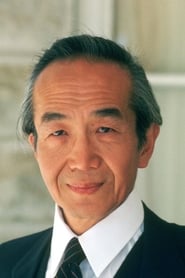
Lo Pan, portrayed by James Hong, is the film's primary antagonist, a centuries-old sorcerer cursed to remain in a ghostly form until he can marry a woman with green eyes. His goal is to find and marry Miao Yin, who possesses the desired eye color, in order to regain his physical form and achieve immortality. Lo Pan's character embodies both menace and dark humor, as he commands a legion of supernatural forces to achieve his ends.
How does Wang Chi's character develop throughout the film?
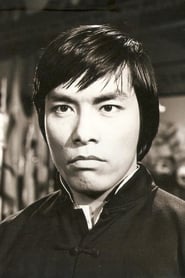
Wang Chi, played by Dennis Dun, is a martial artist and the film's emotional core. Initially, he is portrayed as a determined and somewhat anxious character, desperate to rescue Miao Yin. As the story progresses, Wang evolves into a more confident and capable hero, showcasing his martial arts skills and leadership qualities. His relationship with Jack Burton also deepens, as they navigate the challenges of the underworld together, highlighting themes of friendship and bravery.
What is the significance of the three storms in the film?
The three storms--Thunder, Rain, and Wind--are Lo Pan's powerful henchmen, each possessing unique supernatural abilities. Thunder can create lightning, Rain controls water, and Wind has the power of flight. Their significance lies in their role as formidable obstacles for Jack and Wang, representing the chaotic and mystical elements of the underworld. Each storm embodies different aspects of danger and serves to heighten the stakes as the protagonists confront Lo Pan's forces.
What is the importance of Miao Yin in the plot?
Miao Yin, played by Suzee Pai, is central to the plot as the object of Lo Pan's obsession. Her green eyes make her the key to Lo Pan's quest for immortality. Miao Yin's character also represents the theme of female empowerment, as she displays resilience and resourcefulness despite being captured. Her eventual rescue by Jack and Wang not only drives the narrative forward but also serves as a catalyst for the characters' growth and the resolution of the conflict.
Is this family friendly?
"Big Trouble in Little China" is a fantasy action-comedy film that contains several elements that may not be suitable for younger audiences or sensitive viewers. Here are some potentially objectionable or upsetting aspects:
-
Violence: The film features numerous fight scenes, including martial arts battles, gunfire, and some characters being injured or killed. The violence is often stylized but can still be intense.
-
Supernatural Elements: There are scenes involving supernatural beings, including ghosts and monsters, which may be frightening for children. The visual effects and creature designs can be unsettling.
-
Language: The film contains some mild profanity and crude humor, which may not be appropriate for all viewers.
-
Themes of Kidnapping: The plot involves the kidnapping of a character, which could be distressing for younger audiences.
-
Cultural Stereotypes: The film portrays various Asian cultural elements and characters, which may be viewed as stereotypical or problematic by some viewers.
-
Romantic Tension: There are moments of romantic tension and suggestive dialogue that may not be suitable for younger viewers.
Overall, while "Big Trouble in Little China" is often considered a cult classic, its content may warrant parental discretion for children and sensitive individuals.








