






Popular
What motivates Wong Fei-hung to take on the challenges he faces in the film?
How does the relationship between Wong Fei-hung and his love interest develop throughout the film?
What role does the antagonist, the corrupt official, play in Wong Fei-hung's journey?
How does Wong Fei-hung's training and martial arts skills influence the plot?
What significant events lead to the climax of Wong Fei-hung's battle against the corrupt forces?
Should I watch it?
Ask Your Own Question

What is the plot?
Sorry, we aren't able to watch and write up a full detailed plot yet. Check back in a few days.



What is the ending?
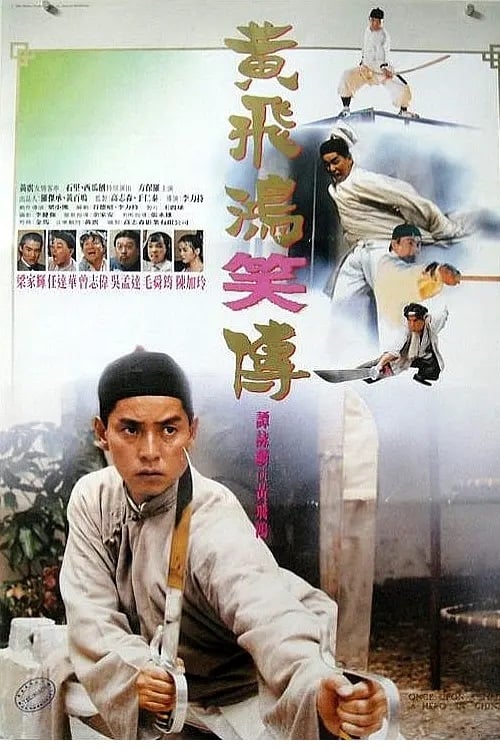
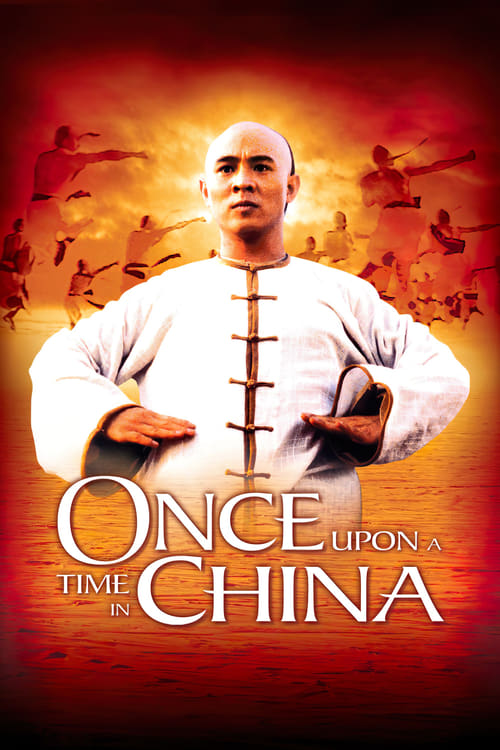
In the ending of "Once Upon a Time a Hero in China," the protagonist, Wong Fei-hung, confronts the main antagonist, the corrupt official, in a climactic battle. After a series of intense fights, Wong ultimately triumphs, restoring justice and order. The film concludes with Wong and his allies celebrating their victory, while the corrupt officials are brought to justice.
Now, let's delve into the ending in a more detailed narrative fashion.
As the final act unfolds, the atmosphere is thick with tension. Wong Fei-hung, portrayed with a mix of determination and weariness, prepares for the inevitable confrontation with the corrupt official, who has been a thorn in his side throughout the film. The setting is a dimly lit courtyard, where shadows dance ominously against the walls, reflecting the moral ambiguity of the conflict at hand.
The scene shifts to the official's lair, where he sits smugly, surrounded by his henchmen. His arrogance is palpable, and he underestimates Wong's resolve. Wong, flanked by his loyal friends and allies, enters the courtyard with a fierce determination in his eyes. The air crackles with anticipation as the two sides face off, the tension almost suffocating.
The fight begins with a flurry of movement. Wong, agile and skilled, showcases his martial arts prowess, dodging attacks and countering with precision. Each blow he delivers is not just a physical strike but a representation of his fight against corruption and injustice. The choreography is intricate, with each character's movements telling a story of their own. Wong's allies join the fray, each contributing their unique skills to the battle, creating a dynamic and chaotic scene.
As the fight escalates, the corrupt official reveals his true nature, resorting to underhanded tactics and calling upon his henchmen to overwhelm Wong and his friends. The stakes are high, and the emotional weight of the battle is evident on Wong's face. He fights not just for himself but for the people who have suffered under the official's tyranny. The camera captures close-ups of Wong's expressions, revealing his inner turmoil and unwavering resolve.
In a pivotal moment, Wong finds himself cornered, but he draws strength from the memories of those he fights for. With a surge of energy, he breaks free, launching into a series of breathtaking moves that showcase his mastery of martial arts. The fight reaches its climax as Wong faces the corrupt official one-on-one. The tension is palpable as they exchange blows, each hit resonating with the weight of their conflicting ideologies.
Finally, in a decisive moment, Wong delivers a powerful strike that sends the official crashing to the ground. The corrupt man, once so confident, now lies defeated, a look of shock and disbelief on his face. Wong stands over him, breathing heavily, the victory bittersweet. The camera pans out to show the aftermath of the battle, with Wong's allies gathering around him, their expressions a mix of relief and triumph.
As the dust settles, the corrupt officials are rounded up, their reign of terror coming to an end. Wong and his friends share a moment of camaraderie, their bond strengthened by the trials they have faced together. The film closes with a scene of celebration, laughter, and hope for a brighter future. Wong, though weary, stands tall, embodying the spirit of resilience and justice.
In the final moments, the fate of each main character is revealed. Wong Fei-hung emerges as a hero, his reputation solidified among the people. His friends, who fought valiantly by his side, are celebrated as well, each finding their place in the new order. The corrupt official, now a prisoner, faces the consequences of his actions, a stark reminder of the film's message about justice and integrity. The screen fades to black, leaving the audience with a sense of closure and the hope that righteousness will prevail.
Is there a post-credit scene?
Once Upon a Time a Hero in China, produced in 1992, does not feature a post-credit scene. The film concludes without any additional scenes or content after the credits roll. The story wraps up with the main characters and their arcs resolved, leaving the audience with a sense of closure regarding the events that transpired throughout the film.
What motivates Wong Fei-hung to take on the challenges he faces in the film?
Wong Fei-hung, portrayed by Jet Li, is driven by a deep sense of justice and a desire to protect his community. His internal conflict often arises from the need to balance his martial arts prowess with the moral implications of his actions. He is also motivated by the love and respect he has for his family and friends, particularly his father, who instills in him the values of honor and duty.
How does the relationship between Wong Fei-hung and his love interest develop throughout the film?
Wong Fei-hung's relationship with his love interest, a character named Aunt Yee, evolves from initial attraction to a deeper emotional connection. Their interactions are filled with playful banter and moments of vulnerability, showcasing Wong's softer side. As the plot progresses, Aunt Yee becomes more involved in Wong's struggles, ultimately supporting him in his fight against corruption and injustice.
What role does the antagonist, the corrupt official, play in Wong Fei-hung's journey?
The corrupt official serves as the primary antagonist, embodying the systemic corruption that Wong Fei-hung seeks to combat. This character's ruthless tactics and manipulation create significant obstacles for Wong, forcing him to confront not only physical challenges but also moral dilemmas. The official's actions drive Wong to rally his friends and community, highlighting the theme of collective resistance against oppression.
How does Wong Fei-hung's training and martial arts skills influence the plot?
Wong Fei-hung's exceptional martial arts skills are central to the plot, as they enable him to confront various adversaries and protect those he cares about. His training is depicted through intense fight sequences that showcase his agility and technique, often blending humor with action. These skills not only help him in physical confrontations but also serve as a means of inspiring others to stand up against injustice.
What significant events lead to the climax of Wong Fei-hung's battle against the corrupt forces?
The climax is built upon a series of escalating confrontations, including betrayals and the gathering of allies. Key events include Wong's discovery of the corrupt official's plans, the mobilization of his friends and community, and a series of intense battles that culminate in a final showdown. Each event heightens the stakes, showcasing Wong's growth as a leader and his unwavering commitment to justice.
Is this family friendly?
"Once Upon a Time a Hero in China," produced in 1992, is a martial arts film that contains several elements that may not be suitable for children or sensitive viewers. Here are some potentially objectionable aspects:
-
Violence and Action Sequences: The film features numerous martial arts fight scenes that include hand-to-hand combat, weapon use, and some graphic depictions of injuries. The choreography is intense and may be unsettling for younger audiences.
-
Death and Injury: Characters experience serious injuries and there are scenes depicting death, which could be distressing for children or sensitive viewers.
-
Mature Themes: The film touches on themes of corruption, betrayal, and the struggle against oppressive forces, which may be complex and difficult for younger viewers to fully understand.
-
Cultural Stereotypes: Some portrayals may reflect outdated or stereotypical views of certain cultures, which could be problematic in a modern context.
-
Language and Humor: There may be instances of crude humor or language that could be inappropriate for younger audiences.
Overall, while the film is a classic in the martial arts genre, its content may not be suitable for all viewers, particularly children or those who are sensitive to violence and mature themes.








