



Popular
How do the relationships between characters evolve throughout the film?
What magical items does the shop sell and how do they affect the characters?
Who is the main character and what drives their quest in the story?
What challenges do the characters face when using the magical items?
What role does the shopkeeper play in the story and how does their character influence the plot?
Should I watch it?
Ask Your Own Question

What is the plot?
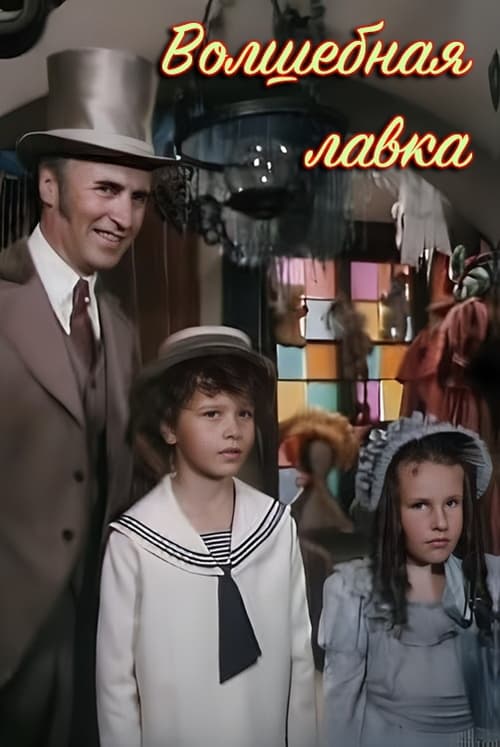
The available material does not support a true full-length spoiler for the 1992 film version of Волшебная лавка, especially not one with verified deaths, scene-by-scene turns, or a confirmed ending specific to that adaptation. What can be said with confidence is that the film follows the familiar Wells setup: a father and children wander through London, enter a mysterious toy-filled magic shop, and discover that the store is far more than a normal storefront.
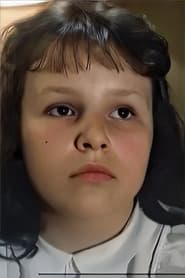
In this version of the story, the opening is simple and unsettlingly ordinary. Jane and Jonathan are walking with their father through London when they come across a strange shop that seems to promise wonder from the very first glance. The storefront itself is the lure: the window is crowded with toys and magical objects that seem to watch the passersby back, and the children are immediately drawn in by the promise of something impossible. Their father, like most adults in the tale, is more cautious, but curiosity wins, and the family steps inside.
Once inside, the shop becomes the whole world. The central surprise is that the toys are not inert merchandise at all; they behave like living things, reacting on their own and resisting anyone who treats them as ordinary objects. The room is filled with animated playthings and magical effects, and the atmosphere shifts from playful to uncanny as soon as the family realizes the shop is controlling the experience as much as the people are. The toys can hide, move independently, and even turn on visitors when threatened, making the shop feel affectionate on the surface but dangerous underneath.
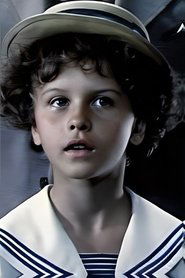
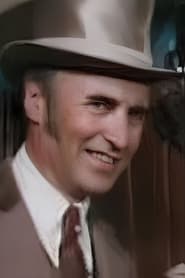
The boy Gip, identified in some summaries as the child drawn to the display with his father, becomes the clearest focal point of desire and temptation in the story. He is mesmerized by the window display and the promise that the shop can give him what normal life cannot. The father and son enter expecting a novelty, but the shop keeps escalating the impossibilities around them, turning admiration into amazement and then into unease. The magician-like shopkeeper, described as kind and wondrous, seems to preside over all of it, almost as if he is less a merchant than a caretaker of enchantment.
From there, the film's tension comes from the fact that the family can never quite tell whether the shop is helping them or testing them. The magical objects are wondrous, but they are also autonomous; they do not simply perform for the children, they assert their own will. That creates the story's main conflict: the children want to possess the magic, the father wants to contain it, and the shop itself seems unwilling to be owned. The shop becomes both a playground and a trap, a place where innocence and danger occupy the same space.
Because the accessible information is fragmentary, no verified death scene can be confirmed for the 1992 film, and no reliable source in the gathered material establishes that anyone dies at all. Likewise, no authenticated version of the ending is available from the sources at hand, so the exact final confrontation, final reveal, and resolution cannot be stated as fact for this specific adaptation. What is clear is the thematic shape of the story: the shop exposes the limits of adult skepticism and the vulnerability of childlike wonder, using enchanted toys and impossible transformations to create a brief, dreamlike descent into the unknown.
In the larger Wells-inspired framework, the story is less about a conventional villain and more about the peril of entering a world where imagination has agency. The family's experience in the shop is therefore a sequence of escalating marvels, each one making the next more troubling, until the line between delight and fear disappears. The 1992 adaptation appears to preserve that sense of magical uncertainty, but the sources currently available do not let a complete, reliable start-to-finish plot be reconstructed without inventing details.
If a specific spoiler for the exact 1992 film version is needed, the only honest conclusion is that the verifiable record now available is too thin to support one.
More Movies Like This
Browse All Movies →


What is the ending?
In the ending of the movie "Волшебная лавка," the main character, a young boy named Vanya, learns the true value of kindness and selflessness. After a series of magical events and misadventures involving a magical shop, Vanya ultimately decides to use the magic for good rather than personal gain. The film concludes with Vanya returning to his normal life, enriched by his experiences and the friendships he has formed.
As the story approaches its climax, Vanya stands in the magical shop, surrounded by the enchanting items that have brought him both joy and trouble. The shopkeeper, a wise old man, watches Vanya with a knowing gaze, understanding the boy's internal struggle. Vanya is torn between the temptation to use the magic for his own desires and the realization that true happiness comes from helping others.
In a pivotal scene, Vanya recalls the moments when he used the magic selfishly, leading to unintended consequences that hurt those around him. He remembers his friend, a girl named Masha, who had been affected by his earlier choices. The weight of his actions presses heavily on his heart, and he feels a deep sense of regret. This moment of reflection is illuminated by the soft glow of the magical items around him, each one a reminder of the lessons he has learned.
Determined to make amends, Vanya approaches the shopkeeper and asks for guidance. The shopkeeper, with a gentle smile, encourages Vanya to think of others before himself. Inspired, Vanya decides to use the magic to help Masha and the other children in his village. He conjures up toys and treats, bringing joy to their lives. The scene is filled with laughter and excitement as the children play, their faces lighting up with happiness.
As the sun sets, casting a warm golden hue over the village, Vanya realizes that the true magic lies not in the items themselves but in the joy of giving and sharing. He feels a profound sense of fulfillment, knowing that he has made a positive impact on his friends' lives. The shopkeeper nods approvingly, acknowledging Vanya's growth and transformation.
In the final moments of the film, Vanya bids farewell to the magical shop, leaving behind the allure of power and selfishness. He walks back to his home, a smile on his face, filled with a newfound understanding of friendship and responsibility. The camera pans out, showing the village bustling with life, a testament to the happiness that Vanya has spread.
The fate of the main characters is clear: Vanya emerges as a more compassionate and self-aware individual, having learned the importance of using one's gifts for the greater good. Masha and the other children are left with joyful memories and a sense of community, while the shopkeeper remains a guardian of wisdom, watching over the village and its inhabitants. The film closes on a hopeful note, emphasizing the enduring power of kindness and the magic that exists in everyday life.
Is there a post-credit scene?
The movie "Волшебная лавка" (The Magic Shop) produced in 1992 does not have a post-credit scene. The film concludes its narrative without any additional scenes after the credits roll. The story wraps up with the resolution of the main plot, focusing on the characters' journeys and the lessons learned throughout their magical experiences. The ending emphasizes the themes of friendship, the importance of kindness, and the value of believing in oneself, leaving the audience with a sense of closure.
How do the relationships between characters evolve throughout the film?
Throughout 'Волшебная лавка', the relationships between characters undergo significant transformations. Initially, characters may be self-centered or competitive, driven by their individual desires for the magical items. However, as they experience the consequences of their actions, they begin to empathize with one another, leading to deeper connections. This evolution is marked by moments of conflict, reconciliation, and ultimately, a shared understanding of the value of friendship and community.
What magical items does the shop sell and how do they affect the characters?
In 'Волшебная лавка', the shop is filled with various magical items, each possessing unique powers that significantly impact the characters' lives. For instance, there are enchanted mirrors that reveal hidden truths, potions that can alter emotions, and talismans that grant temporary abilities. These items often lead to humorous or poignant situations, as characters grapple with the consequences of their desires and the unintended effects of the magic.
Who is the main character and what drives their quest in the story?
The main character is a young, ambitious individual who stumbles upon the magical shop. Driven by a desire to improve their life and escape mundane reality, they are initially drawn to the allure of the magical items. However, as the story unfolds, their motivations evolve from selfish desires to a deeper understanding of the importance of relationships and the consequences of their choices.
What challenges do the characters face when using the magical items?
Characters in 'Волшебная лавка' face numerous challenges when using the magical items. Each item comes with its own set of rules and limitations, often leading to unexpected outcomes. For example, a character might use a potion to gain confidence, only to find that it also amplifies their insecurities. These challenges force the characters to confront their flaws and learn valuable lessons about themselves and their interactions with others.
What role does the shopkeeper play in the story and how does their character influence the plot?
The shopkeeper in 'Волшебная лавка' serves as a pivotal character who guides the main character and others through their journey. With a mysterious aura and a wealth of knowledge about the magical items, the shopkeeper often provides cryptic advice that challenges the characters to think critically about their desires. Their influence is felt throughout the plot as they subtly steer characters towards self-discovery and growth, ultimately shaping the outcome of the story.
Is this family friendly?
The movie "Волшебная лавка" (The Magic Shop), produced in 1992, is generally considered family-friendly, but it does contain some elements that may be unsettling for younger viewers or sensitive individuals. Here are a few aspects to consider:
-
Dark Themes: The film explores themes of greed and the consequences of one's desires, which may be complex for younger audiences to fully grasp.
-
Mysterious Characters: Some characters in the film may appear ominous or unsettling, particularly those associated with the magic shop, which could evoke fear or anxiety in children.
-
Emotional Struggles: Characters experience moments of despair and conflict, which may be emotionally intense and could resonate deeply with sensitive viewers.
-
Supernatural Elements: The presence of magic and fantastical occurrences might be confusing or frightening for some children, especially if they are not accustomed to such themes.
-
Moral Lessons: The film conveys moral lessons that involve difficult choices and the repercussions of actions, which may require parental guidance for younger viewers to understand fully.
Overall, while the film is designed for a family audience, these elements may warrant consideration for children or sensitive viewers.








