







Popular
How does the relationship between the protagonist and his father evolve throughout the film?
What role do the supporting characters play in shaping the protagonist's journey?
What is the significance of the pachinko parlor in the protagonist's life?
How does the protagonist's view of success change throughout the film?
What are the key moments that highlight the protagonist's internal struggles?
Should I watch it?
Ask Your Own Question

What is the plot?
Sorry, we aren't able to watch and write up a full detailed plot yet. Check back in a few days.
More Movies Like This
Browse All Movies →

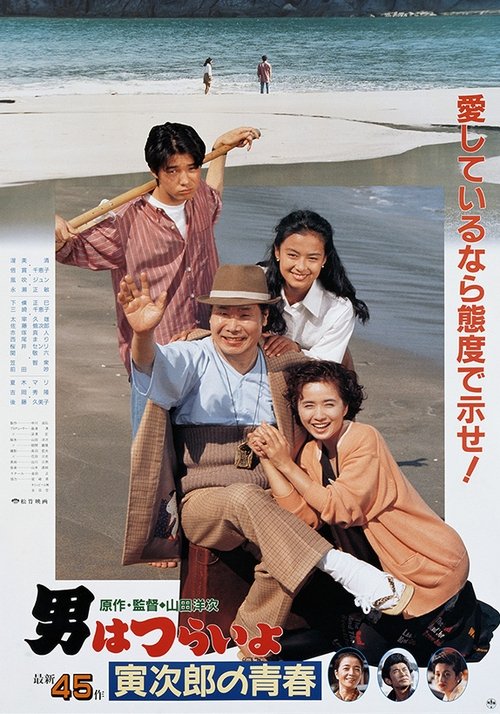
What is the ending?
In the ending of "Pachinko Graffiti," the main character, a young boy named Katsu, faces the reality of his family's struggles and the impact of gambling on their lives. The film concludes with Katsu reflecting on his experiences, the relationships he has formed, and the lessons learned about hope and resilience amidst hardship.
As the final scenes unfold, Katsu finds himself in a pachinko parlor, surrounded by the sounds of the machines and the tension of the players. He watches as his father, who has been deeply affected by gambling, continues to chase after fleeting victories. Katsu's mother, weary and burdened by the family's financial struggles, tries to maintain a sense of normalcy, but the strain is evident on her face.
In a poignant moment, Katsu confronts his father about the gambling addiction that has taken a toll on their family. The conversation is filled with raw emotion, as Katsu expresses his fears and frustrations. His father, caught between his desire to provide for his family and his addiction, struggles to respond. This confrontation serves as a turning point for both characters, highlighting the generational conflict and the weight of expectations.
As the film draws to a close, Katsu makes a decision to step away from the pachinko world that has consumed so much of their lives. He chooses to focus on his education and future, symbolizing a break from the cycle of gambling that has plagued his family. The final shot captures Katsu walking away from the parlor, a mix of determination and uncertainty on his face, as he steps into a new chapter of his life.
The fate of the main characters is left somewhat open-ended. Katsu's father remains trapped in his addiction, while Katsu's mother continues to support the family, albeit with a heavy heart. Katsu's choice to pursue a different path suggests hope for a better future, but the film leaves the audience contemplating the ongoing struggles of those left behind in the world of pachinko.
Is there a post-credit scene?
The movie "Pachinko Graffiti," produced in 1992, does not feature a post-credit scene. The film concludes its narrative without any additional scenes or content after the credits roll. The story wraps up with a focus on the characters' journeys and the emotional resolutions they reach, leaving the audience with a sense of closure regarding the themes of ambition, family, and the struggles within the world of pachinko.
How does the relationship between the protagonist and his father evolve throughout the film?
The relationship between the protagonist and his father is fraught with tension and misunderstanding. Initially, the father is portrayed as strict and traditional, disapproving of his son's choices. As the story progresses, moments of vulnerability and shared experiences lead to a gradual reconciliation, highlighting themes of generational conflict and acceptance.
What role do the supporting characters play in shaping the protagonist's journey?
Supporting characters, such as friends and mentors, play crucial roles in influencing the protagonist's decisions and emotional growth. Each character represents different facets of life, offering guidance, companionship, or conflict, which ultimately help the protagonist to confront his own identity and aspirations.
What is the significance of the pachinko parlor in the protagonist's life?
The pachinko parlor serves as a central setting in the film, symbolizing both the struggles and aspirations of the protagonist, who finds solace and a sense of community within its walls. It reflects the highs and lows of his life, as he navigates personal challenges and relationships.
How does the protagonist's view of success change throughout the film?
Initially, the protagonist equates success with wealth and recognition, heavily influenced by the competitive environment of the pachinko parlor. However, as he faces various challenges and personal losses, his understanding of success evolves to encompass personal fulfillment, relationships, and the importance of community.
What are the key moments that highlight the protagonist's internal struggles?
Key moments include scenes of intense gambling where the protagonist experiences both triumph and despair, reflecting his internal conflict between desire and responsibility. Additionally, poignant conversations with family members reveal his insecurities and fears, showcasing his emotional turmoil as he seeks to define his path in life.
Is this family friendly?
"Pachinko Graffiti," produced in 1992, is a film that explores themes of family, love, and the struggles of life through the lens of a young boy's experiences. While it has moments of warmth and humor, there are several aspects that may be considered objectionable or upsetting for children or sensitive viewers.
-
Family Struggles: The film delves into the complexities of family dynamics, including conflicts and emotional distress, which may be difficult for younger audiences to fully understand or process.
-
Financial Hardship: Scenes depicting the family's financial struggles and the stress it places on relationships can be heavy and may evoke feelings of anxiety or sadness.
-
Loss and Grief: There are moments that touch on themes of loss, which can be emotionally charged and potentially upsetting for viewers, especially children who may not be familiar with such concepts.
-
Cultural Context: The film includes elements of Japanese culture and societal issues that may be challenging for some viewers to grasp, leading to confusion or discomfort.
-
Mature Themes: There are references to adult situations and relationships that may not be suitable for younger audiences, including discussions around love and personal sacrifice.
Overall, while "Pachinko Graffiti" offers valuable life lessons and emotional depth, its exploration of serious themes may not be entirely family-friendly for all viewers.








