
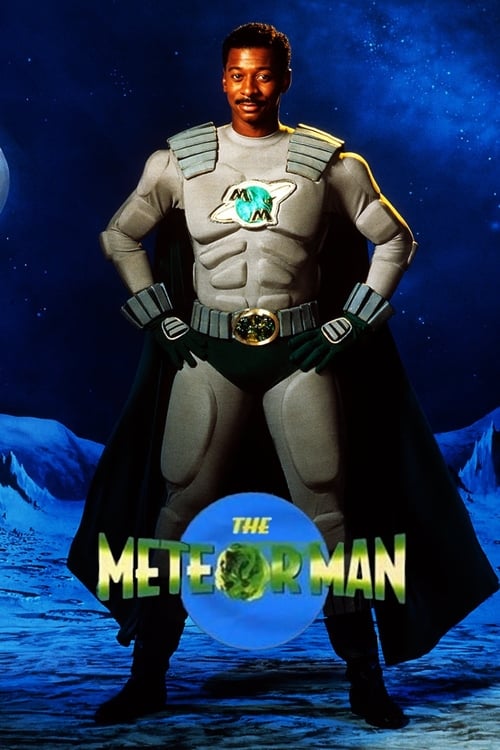




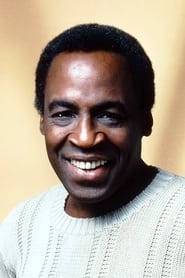
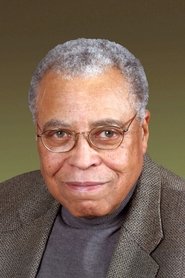



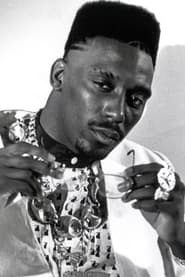

















Popular
What powers does Jefferson Reed gain after being struck by the meteor?
How does Jefferson Reed initially react to his newfound powers?
What challenges does Jefferson face from the gang in his neighborhood?
How does Jefferson's relationship with his family evolve throughout the film?
What role does the character of the elderly neighbor, Mrs. Johnson, play in the story?
Should I watch it?
Ask Your Own Question

What is the plot?
Sorry, we aren't able to watch and write up a full detailed plot yet. Check back in a few days.


What is the ending?
In the ending of "The Meteor Man," Jefferson Reed, after losing his powers, confronts the gang that has been terrorizing his neighborhood. He inspires the community to stand up against the gang, leading to a climactic showdown. Ultimately, the community unites, and they manage to defeat the gang together. Jefferson realizes that true strength comes from unity and support, and he embraces his role as a community leader.
Now, let's delve into the ending in a more detailed narrative fashion:
As the film approaches its climax, Jefferson Reed, portrayed by Robert Townsend, finds himself in a dire situation. After a series of events that led to him losing his superpowers, he is left vulnerable and uncertain. The once invincible Meteor Man is now just a man, stripped of the abilities that had made him a local hero. The neighborhood, however, is still under threat from the Golden Lords, a gang that has been wreaking havoc and instilling fear among the residents.
In a pivotal scene, Jefferson gathers the community in a local park, where he stands before them, his heart pounding with a mix of fear and determination. He speaks passionately about the importance of unity and courage, urging his neighbors to take a stand against the gang. The camera captures the faces of the community members, reflecting a range of emotions from skepticism to hope. Jefferson's sincerity begins to resonate with them, igniting a spark of bravery.
As night falls, the Golden Lords make their move, attempting to assert their dominance over the neighborhood. Jefferson, now devoid of his powers, stands alongside his neighbors, who have rallied behind him. The tension is palpable as the gang approaches, their menacing presence casting a shadow over the once vibrant community. Jefferson's internal struggle is evident; he feels the weight of responsibility on his shoulders, knowing that he must lead without the extraordinary abilities he once had.
The confrontation escalates as the gang members taunt the community, but Jefferson remains steadfast. He encourages his neighbors to stand firm, reminding them of their strength in numbers. The community, inspired by Jefferson's words, begins to fight back. They use their resourcefulness and creativity, employing makeshift weapons and strategies to defend their homes. The scene is chaotic yet empowering, showcasing the resilience of the community as they band together against a common foe.
In a series of intense moments, the residents of the neighborhood confront the Golden Lords. Jefferson, despite his lack of superhuman strength, fights alongside them, embodying the spirit of a true leader. The camera captures the determination in his eyes, reflecting his commitment to protect his home and the people he loves. The tide begins to turn as the community's unity overwhelms the gang, leading to a climactic showdown.
As the battle reaches its peak, the gang members, realizing they are outnumbered and outmatched by the collective strength of the community, begin to retreat. The scene is filled with cheers and shouts of victory as the residents celebrate their triumph. Jefferson stands amidst them, a sense of pride swelling in his chest. He has not only defended his neighborhood but has also inspired a newfound sense of empowerment among his neighbors.
In the aftermath, the community comes together to rebuild and heal. Jefferson, now recognized as a leader, embraces his role with humility and gratitude. The film closes with a montage of the neighborhood thriving, showcasing the positive changes that have taken place. Jefferson's journey has come full circle; he has learned that true heroism lies not in superpowers but in the strength of community and the bonds of friendship.
The fates of the main characters are intertwined with this resolution. Jefferson Reed, having faced his fears and embraced his humanity, steps into a leadership role, guiding his community toward a brighter future. His friend, the schoolteacher, and the various residents who supported him throughout the film find renewed hope and purpose. The gang, on the other hand, is left defeated, their hold on the neighborhood shattered by the unity of the people.
In the final moments, as Jefferson looks out over his community, he understands that while he may no longer be the Meteor Man, he has become something even more powerful--a symbol of hope and resilience for those around him. The film concludes on a note of optimism, emphasizing the importance of community, courage, and the belief that together, they can overcome any challenge.
Is there a post-credit scene?
The movie "The Meteor Man," produced in 1993, does not have a post-credit scene. The film concludes with the main storyline wrapped up, focusing on the protagonist, Jefferson Reed, who gains superpowers after being struck by a meteor. The ending emphasizes themes of community, responsibility, and the importance of standing up against crime, culminating in a resolution that leaves the characters in a hopeful state without any additional scenes after the credits.
What powers does Jefferson Reed gain after being struck by the meteor?
After being struck by the meteor, Jefferson Reed gains superhuman abilities, including flight, super strength, the ability to heal quickly, and the power to shoot energy blasts from his hands.
How does Jefferson Reed initially react to his newfound powers?
Initially, Jefferson Reed is overwhelmed and confused by his newfound powers. He struggles to understand how to control them and is both excited and fearful of the responsibilities that come with them.
What challenges does Jefferson face from the gang in his neighborhood?
Jefferson faces significant challenges from a local gang called the Golden Lords, who threaten the safety of his community. They are involved in drug dealing and violence, and Jefferson's attempts to stand up to them put him and his loved ones in danger.
How does Jefferson's relationship with his family evolve throughout the film?
Jefferson's relationship with his family evolves as they initially worry about his safety and the dangers he faces. As he embraces his role as a superhero, they become more supportive, but they also experience fear for his well-being and the consequences of his actions.
What role does the character of the elderly neighbor, Mrs. Johnson, play in the story?
Mrs. Johnson serves as a wise and supportive figure in Jefferson's life. She encourages him to use his powers for good and represents the community's hope and resilience against the gang's threats.
Is this family friendly?
"The Meteor Man," produced in 1993, is generally considered a family-friendly film, but it does contain some elements that may be potentially objectionable or upsetting for children or sensitive viewers. Here are a few aspects to consider:
-
Violence and Crime: The film features scenes involving gang violence and criminal activity, which may be intense for younger viewers. There are confrontations between the protagonist and various gang members.
-
Mild Language: There are instances of mild profanity and some suggestive language that may not be suitable for very young children.
-
Themes of Fear and Danger: The protagonist faces threats from criminals, which can create a sense of fear or tension. The portrayal of a neighborhood plagued by crime may be unsettling for some viewers.
-
Emotional Struggles: Characters experience moments of despair and conflict, which may evoke strong emotions. The protagonist grapples with the responsibility of his newfound powers and the impact on his community.
-
Supernatural Elements: The concept of a meteor granting superpowers may be confusing or frightening for some children, especially in the context of the challenges the character faces.
Overall, while the film aims for a comedic and uplifting tone, these elements may warrant parental guidance for younger audiences.








