



























Popular
What motivates the character Jessie Lee to lead his posse on a mission?
How does the character of Sheriff Frank and his relationship with Jessie Lee evolve throughout the film?
What role does the character of the bounty hunter play in the story?
How does the film depict the dynamics within Jessie Lee's posse?
What significant events lead to the climax of the film involving Jessie Lee and his posse?
Should I watch it?
Ask Your Own Question

What is the plot?
Sorry, we aren't able to watch and write up a full detailed plot yet. Check back in a few days.


What is the ending?
In the ending of "Posse," the main characters confront the corrupt forces of the law in a climactic showdown. After a series of intense confrontations, the protagonist, Jessie Lee, and his posse manage to defeat their enemies, but not without significant sacrifice. The film concludes with a sense of justice served, but also a poignant reminder of the cost of their fight.
As the final act unfolds, Jessie Lee and his posse, which includes characters like the loyal and brave, but ultimately tragic, character of the sharpshooter, face off against the corrupt lawman, Colonel Graham, and his men. The tension builds as they prepare for a confrontation that has been brewing throughout the film.
The scene opens with Jessie Lee, played by Mario Van Peebles, rallying his group. They are weary but determined, knowing that they are fighting not just for their own lives but for the dignity and rights of their people. The sun sets in the background, casting a golden hue over the landscape, symbolizing both hope and impending danger.
As they approach the town, the posse is ambushed by Colonel Graham's men. A fierce gunfight erupts, with bullets flying and dust kicking up around them. Jessie Lee's heart races as he fights alongside his friends, each shot fired a testament to their resolve. The camera captures the intensity of their expressions--fear, anger, and a fierce determination to protect one another.
In the chaos, one of the posse members, a young man with dreams of a better life, is shot. His fall is slow, almost in slow motion, as Jessie Lee's eyes widen in horror. The emotional weight of the moment is palpable; Jessie Lee's face contorts with grief and rage. He vows to avenge his fallen friend, pushing himself to fight harder.
The battle rages on, and Jessie Lee finds himself face-to-face with Colonel Graham. The confrontation is charged with tension, as both men represent opposing ideals--Graham, the embodiment of corrupt authority, and Jessie Lee, the symbol of resistance and justice. Their fight is brutal, showcasing Jessie Lee's skill and determination. With a final, desperate move, Jessie Lee overcomes Graham, delivering a blow that signifies not just a personal victory but a stand against oppression.
As the dust settles, the remaining members of the posse gather around Jessie Lee. They are battered and bruised, but there is a sense of triumph in the air. However, the victory is bittersweet. The camera pans over the fallen members of their group, highlighting the sacrifices made. Jessie Lee stands tall, but his expression is somber as he reflects on the cost of their fight.
In the final moments, Jessie Lee looks out over the horizon, contemplating the future. He knows that while they have won this battle, the fight for justice and equality is far from over. The film closes with a sense of hope, as Jessie Lee and the surviving members of the posse ride off into the sunset, ready to continue their journey, embodying the spirit of resilience and the ongoing struggle for freedom.
The fates of the main characters are intertwined with the themes of sacrifice and justice. Jessie Lee emerges as a leader, forever changed by the events, while the others, though some have fallen, are remembered for their bravery. The film ends on a note that emphasizes the importance of standing up against injustice, even when the cost is high.
Is there a post-credit scene?
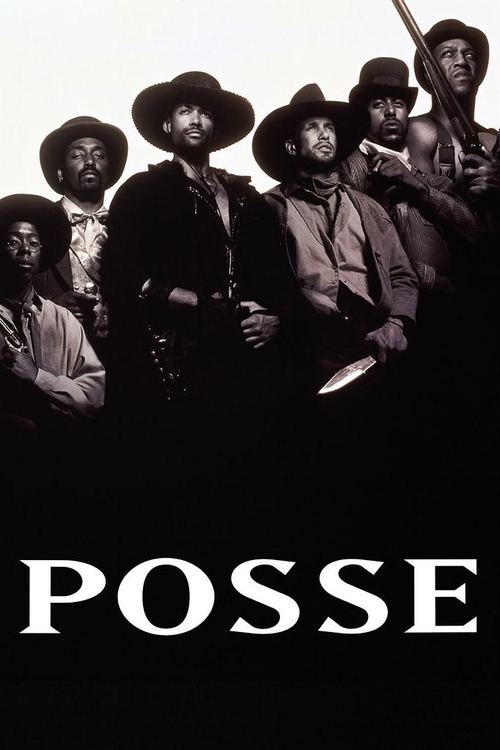
The movie "Posse," produced in 1993, does not have a post-credit scene. The film concludes with its final scenes, wrapping up the story without any additional content or scenes after the credits roll. The narrative focuses on a group of African American cowboys led by the character Jessie Lee, who confronts issues of racism and injustice in the Old West. The film ends on a note that emphasizes the themes of camaraderie and resilience, leaving no further scenes to explore after the credits.
What motivates the character Jessie Lee to lead his posse on a mission?
Jessie Lee, played by Mario Van Peebles, is driven by a deep sense of justice and a desire to confront the systemic racism and oppression faced by African Americans in the post-Civil War era. His personal experiences with violence and injustice fuel his determination to protect his community and seek revenge against those who have wronged them.
How does the character of Sheriff Frank and his relationship with Jessie Lee evolve throughout the film?
Sheriff Frank, portrayed by Billy Zane, initially represents the law and order that Jessie Lee is at odds with. As the story progresses, their relationship becomes more complex, revealing Frank's internal conflict between his duty as a lawman and his growing respect for Jessie Lee's fight against injustice. This evolution highlights the tension between authority and morality.
What role does the character of the bounty hunter play in the story?
The bounty hunter, played by a supporting actor, serves as an antagonist who is relentless in his pursuit of Jessie Lee and his posse. His character embodies the lawlessness and brutality of the era, and his interactions with Jessie Lee heighten the stakes of the narrative, showcasing the dangers that the posse faces as they navigate a world filled with violence and betrayal.
How does the film depict the dynamics within Jessie Lee's posse?
Jessie Lee's posse is composed of diverse characters, each with their own backgrounds and motivations. The film explores their camaraderie, struggles, and conflicts, emphasizing themes of loyalty and brotherhood. As they face external threats, the internal dynamics reveal their vulnerabilities and strengths, showcasing how their shared mission brings them together despite their differences.
What significant events lead to the climax of the film involving Jessie Lee and his posse?
The climax is built upon a series of escalating confrontations, including ambushes and betrayals that test the loyalty and resolve of Jessie Lee and his posse. Key events include their encounters with the bounty hunter and Sheriff Frank, culminating in a dramatic showdown that forces Jessie Lee to confront not only his enemies but also the moral implications of his quest for vengeance.
Is this family friendly?
"Posse," produced in 1993, is a Western film that contains several elements that may not be suitable for children or sensitive viewers. Here are some potentially objectionable or upsetting aspects:
-
Violence: The film features gunfights and physical confrontations, which can be intense and graphic. There are scenes of characters being shot and injured, contributing to a violent atmosphere.
-
Death: The film includes the deaths of several characters, which may be distressing for younger viewers. The emotional weight of loss is portrayed, affecting the characters deeply.
-
Racial Themes: The film addresses issues of racism and discrimination, which may be challenging for younger audiences to understand fully. The portrayal of racial tensions can evoke strong emotions.
-
Language: There are instances of strong language and profanity throughout the film, which may not be appropriate for children.
-
Mature Themes: The film explores themes of justice, revenge, and betrayal, which may be complex and heavy for younger viewers to process.
Overall, while "Posse" has elements of adventure and camaraderie, its mature themes and depictions of violence and death may make it unsuitable for a family-friendly viewing experience.








