













Popular
What role does the setting play in shaping the characters' journeys?
Who are the main characters in Rio Diablo and what are their motivations?
What is the significance of the Rio Diablo river in the story?
How does Jake's relationship with his allies develop throughout the film?
What challenges does Jake face in his quest for revenge?
Should I watch it?
Ask Your Own Question

What is the plot?
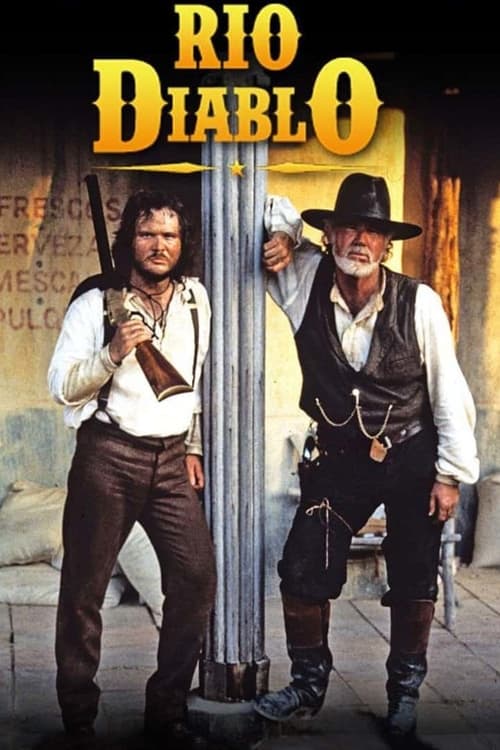
On Benjamin Tabor's wedding day in the frontier town of Rio Diablo, joy and violence crash into each other so hard that the town never really recovers. Before the vows can settle, a gang of murderous bank robbers storms the local bank, turning the celebration into chaos, and when the smoke clears Benjamin's new bride, Maria Tabor, has been seized and carried off as a hostage. At the same time, bounty hunter Quentin Leech rides into town with his own captive, making his arrival feel like the hard edge of the West itself has arrived to collect its due. From that moment, the film becomes a relentless pursuit across the frontier, with Benjamin driven by love and vengeance and Leech driven by money, reputation, and secrets he does not share with anyone.
Rio Diablo opens in a town dressed for a wedding. Benjamin Taber is a young groom standing at the center of a celebration that should mark a new life, and Maria is the beautiful bride who gives the day its promise. The local streets, the bank, and the public gathering space are all alive with anticipation when Quentin Leech enters the picture, already marked as a dangerous, seasoned man. He is not introduced as a clean hero but as a rugged bounty hunter with a quick temper and a trigger finger to match, the sort of man who has seen enough violence to treat it as routine. Then the Walker gang, also referred to as the Walker Brothers, comes charging in to rob the bank, and the film snaps from ceremony to gunfire in an instant.
The robbery is loud, fast, and ugly. Bullets tear through the air, townspeople scatter, and the entire wedding is swallowed by the mayhem. The gang loses much of the loot in the escape, but they do not leave empty-handed: they ride off with Maria, Benjamin's new bride, while the town is left stunned by the violence of what just happened. Benjamin is no longer a groom; he becomes a man with a single purpose, and the emotional center of the story shifts immediately from celebration to rescue and revenge. He wants Maria back, and he wants the men responsible punished. Leech, meanwhile, is interested in the Walker gang for a different reason. He wants the bounty money, and the film makes clear from the start that his motives are more complicated than a simple professional job.
What follows is less a traditional quest than a harsh, dusty chase through the West. Benjamin joins or follows a posse at first, but the search quickly turns bleak when the group finds a piece of Maria's wedding dress in a river. That image becomes one of the film's most painful false endings: the torn fabric floating in the water seems to confirm that Maria has died, and the posse gives up and turns back. Benjamin refuses to accept the loss. He presses on alone, his grief turning into stubborn will. The film emphasizes this with a physical cost: he rides his horse to death, pushing himself so hard that when Quentin Leech finally finds him, Benjamin is in terrible shape. This moment is crucial because it is where the story stops being only about pursuit and becomes about partnership.
Leech finds Benjamin battered and nearly spent, and the two men become allies by necessity rather than trust. Leech is tracking the Walker gang for bounty money and, as the stories make clear, for reasons of his own that he does not immediately reveal. Benjamin, exhausted and grief-struck, insists on riding with him anyway, and that insistence hardens once he learns that Maria may still be alive. The film's central relationship takes shape here: Benjamin Taber, emotional and raw, alongside Quentin Leech, crusty and hard-eyed, each suspicious of the other but forced into the same trail. Their dynamic fits the old Western pattern of a young gun and an older gunfighter, though here the difference is sharpened by Leech's moral ambiguity and Benjamin's desperate need to believe in rescue.
As they travel, the road becomes a long sequence of danger and brief pauses, with each stop exposing more of the characters' motives. The pair hits the trail with guns blazing, chasing the same outlaws across the landscape, and the film uses that movement to build a sense of increasing pressure. Their journey is not only physical but emotional: Benjamin is learning how to survive in a world that answers every question with violence, while Leech is slowly forced into a role that resembles mentorship, even if he would never admit it. According to the reviews, they begin by disliking each other, but mutual respect develops over time, and Benjamin eventually takes on the mantle of his mentor in the final scenes. That transformation is one of the film's major arcs, because Benjamin starts as a groom and ends as a frontier survivor shaped by loss, pursuit, and bloodshed.
Along the way, the film keeps tightening the net of danger. The Walker gang remains ahead of them, moving from place to place while the heroes follow the trail, and each confrontation reinforces how ruthless the outlaws are. The sources do not provide a complete named roster of every gang member's death, but they do consistently describe the robbers as murderous and the film as containing multiple violent shootouts. The violence is not incidental. It is the language of the story. Benjamin and Leech answer it with gunfire, and every encounter pushes them closer to the final reckoning. The reward for Leech grows larger as the gang's crimes pile up, but the human cost is what keeps Benjamin moving. He is not chasing a payday; he is chasing the only future he can still imagine.
One of the most important turning points in the story is the revelation that Maria may still be alive. The river evidence has misled everyone else, but Benjamin cannot let the possibility go, and that single uncertainty changes the emotional temperature of the film. The search is no longer about avenging a presumed death. It becomes a rescue mission with time still on the clock, however late it may be. That revelation is what keeps Benjamin from surrendering to grief. It also justifies his persistence when even a posse has abandoned the chase. The film plays this as a matter of faith as much as evidence: Benjamin keeps going because he cannot bear to believe the worst.
A second major revelation deepens the stakes again: someone has put a price on Quentin Leech's head as well. That detail transforms him from hunter into hunted. He is no longer merely the man with the advantage of experience and bounty-hunting skill; he is also a target, and that means every step he takes toward the Walker gang can bring danger from another direction. The film does not fully spell out the backstory behind that bounty in the available summaries, but it is enough to make clear that Leech has enemies and history, and that his reasons for hunting the gang are not limited to the money. This adds a shadow over his partnership with Benjamin. The younger man thinks he is riding with a guide, but he is actually riding with someone whose own past is closing in on him.
The road eventually brings them help from unexpected places. Flora Mae Pepper appears as one of those unlikely allies, offering the men a safe space in what is described as a brothel that also functions as a refuge. In a film built on hard men, guns, and dusty trails, Flora Mae Pepper provides a rare pause that still feels charged with danger. Her place is not truly safe, only safer than the open West, and the sense that an all-out shootout may be coming hangs over the stop even as she helps them. This is the kind of moment the film uses well: a temporary shelter that feels like a held breath before violence resumes. The men's exhaustion, suspicion, and need for information all gather in that space, and the tension never really leaves.
Another important figure arrives late in the story: Stacy Keach makes a pivotal appearance near the end, in a scene described as wrapping up the story and confirming that Kenny Rogers will not be returning for sequels. The exact details of his role are not fully outlined in the plot summaries, but his entrance is framed as significant, and the review suggests that it functions as part of the final resolution. That late arrival gives the ending a sense of formal closure, as if the film is bringing in one last piece of the West to seal the fate of the chase. The presence of a name like Stacy Keach, especially in a Western context, carries its own weight, and the film uses that to sharpen the final stretch.
As the pursuit continues, the relationship between Benjamin and Leech becomes more layered. Benjamin begins by seeking only Maria, but the violence he witnesses and the partnership he forms with Leech change him. Leech, who starts as a bounty hunter motivated by reward money, becomes a kind of grim teacher, even if he remains rough, secretive, and morally compromised. Their alliance is never sentimental. They do not become soft. Instead, they become effective together, and the film's action scenes make that alliance feel earned. Each shootout, each hard ride, each near encounter with the Walker gang reinforces the idea that this is one long chase scene in which survival depends on trust that has to be built under fire.
The tension also rests on the film's central secrets. Leech's "other reasons" for hunting the gang remain deliberately vague in the available material, but that vagueness itself matters because it means Benjamin is never fully sure what kind of man he is riding beside. Meanwhile, the bounty on Leech's head means Benjamin's protector is just as vulnerable as Benjamin himself. The story keeps folding these hidden dangers inward, so that every encounter may conceal betrayal, and every ally may be carrying a private war. This is why the film's shootouts matter so much: they are not just action beats, but the moments when secrecy breaks into plain sight.
By the time the story reaches its final confrontation, the emotional logic has become clear. Benjamin has moved from shock to resolve, from grief to action. Leech has moved from solitary hunter to reluctant partner, and the pair have followed the Walker gang far enough that the end can only come through bloodshed. The final showdown is the payoff for everything that has been building since the wedding morning. The review material does not name every casualty in the ending, but it is explicit that the film ends through a conventional Western resolution after numerous shootouts, with the outlaws no longer presenting a threat and the story brought to completion in decisive fashion. The violence that began the film is answered with violence, and this time it resolves rather than merely explodes.
In that final stretch, the film also completes Benjamin's transformation. The reviews note that by the end he assumes the mantle of his mentor, which means he has become tougher, more capable, and less innocent than the man who stood at the altar at the start. This is the emotional resolution that matters most. Benjamin does not remain a frightened groom; he emerges as someone shaped by the trail, by Leech's hard example, and by the necessity of surviving in the West. If Maria is rescued, that rescue is not just physical; it restores the possibility of the life that was interrupted, even if that life can never be exactly the same. If the outlaws are killed or otherwise brought down, it happens as the direct result of the men's pursuit and the final shootouts that the film has been building toward all along.
Leech's arc closes in a quieter but no less meaningful way. Because he is already introduced as a rough man with secrets, the ending does not turn him into a shining hero. Instead, it affirms that he is a seasoned cowboy who has done what he came to do, with enough ambiguity left intact to fit the character's nature. The bounty hunter's role in the story is part mentor, part rival, part hard-edged instrument of frontier justice. Whatever private reasons drive him, the film lets him finish the hunt. The fact that someone has a price on his head makes that finish feel even more precarious, but the available summaries do not specify that he is killed, only that the final scenes wrap the story and complete the arc. What is clear is that he survives long enough to shape Benjamin into the man who will carry the experience forward.
The film closes on a distinctly Western, almost musical note. During the end credits, Kenny Rogers performs "Wanderin' Man," a song co-written by Kimes, and that performance becomes the last emotional impression the film leaves behind. The closing song reinforces the image of men riding on, never fully settled, always moving from one hard place to the next. It also fits the tone of the movie itself: a story about people forced into motion by violence, love, and survival. The song does not erase what happened. It lingers over it, like dust after a ride.
By the end, the wedding has been transformed into a frontier ordeal, Maria's presumed death has been overturned by the larger hunt, Benjamin has been hardened into a more capable man, and Quentin Leech has taken the story from simple rescue into the harder territory of vengeance, bounty, and secrets. The outlaws' robbery, the kidnapping, the false death in the river, the pursuit across the open land, the hidden price on Leech, the refuge with Flora Mae Pepper, and the late arrival of Stacy Keach all feed into one long, escalating chase that ends the only way this kind of story can: with guns, reckoning, and a final sense that the West has claimed everyone involved in one way or another.
More Movies Like This
Browse All Movies →




What is the ending?
In the ending of "Rio Diablo," the main characters confront their adversaries in a final showdown. The protagonists, led by the determined and vengeful character, ultimately prevail, but not without significant sacrifice. The film concludes with a sense of resolution as the surviving characters reflect on their journey and the cost of their victory.
As the climax of "Rio Diablo" unfolds, the tension escalates in a series of dramatic confrontations. The scene opens with the sun setting over the rugged landscape, casting long shadows that symbolize the impending conflict. The protagonists, including the resolute character who has been driven by a quest for justice, gather their strength and prepare for the final confrontation with the antagonists who have caused them so much pain.
The first significant moment occurs as the protagonists approach the hideout of their enemies. The air is thick with anticipation, and the characters exchange determined glances, each one aware of the stakes involved. The leader, filled with a mix of anger and resolve, rallies the group, reminding them of the injustices they have faced. This moment is charged with emotion, as the characters reflect on their losses and the motivations that have brought them to this point.
As they infiltrate the hideout, the tension mounts. The protagonists move stealthily, their hearts pounding in their chests. The camera captures their expressions--fear, determination, and a flicker of hope. Suddenly, a confrontation erupts. Gunfire rings out, and chaos ensues. The protagonists fight valiantly, showcasing their skills and bravery. Each character plays a crucial role, and the audience feels the weight of their struggles as they face overwhelming odds.
In the midst of the battle, one of the main characters faces a critical moment of sacrifice. This character, who has been a source of strength for the group, makes a selfless decision to protect their friends. The scene is heart-wrenching, as the character's bravery is met with both admiration and sorrow from the others. The emotional impact of this sacrifice resonates deeply, highlighting the themes of loyalty and the cost of fighting for what is right.
As the dust settles, the remaining protagonists stand victorious but battered. They survey the aftermath of the confrontation, the weight of their losses heavy on their shoulders. The leader, now more reflective, acknowledges the sacrifices made and the journey they have endured. The camera lingers on their faces, capturing a mix of relief and grief.
In the final moments, the surviving characters gather together, united in their shared experience. They look out over the landscape, a sense of peace beginning to settle in. The leader expresses a quiet hope for the future, suggesting that while the battle has been won, the journey of healing and rebuilding is just beginning. The film closes with a poignant shot of the group walking away from the scene, their silhouettes framed against the setting sun, symbolizing both an end and a new beginning.
In summary, the fates of the main characters are intertwined with the themes of sacrifice, justice, and the enduring strength of friendship. The leader emerges as a changed individual, carrying the weight of their experiences but also a renewed sense of purpose. The film concludes on a note of resilience, emphasizing that while the fight may be over, the journey continues.
Is there a post-credit scene?
The movie "Rio Diablo," produced in 1993, does not have a post-credit scene. The film concludes its narrative without any additional scenes or content after the credits roll. The story wraps up with the resolution of the main plot, focusing on the characters' journeys and the outcomes of their conflicts, leaving no further material for viewers to engage with after the credits.
What role does the setting play in shaping the characters' journeys?
The setting of Rio Diablo, with its rugged landscapes and harsh environments, plays a pivotal role in shaping the characters' journeys. The desolate terrain reflects the internal struggles of the characters, particularly Jake, as they navigate both the physical dangers of the wilderness and the emotional turmoil of their pasts. The isolation of the setting amplifies the stakes, forcing characters to confront their fears and ultimately leading to moments of growth and transformation.
Who are the main characters in Rio Diablo and what are their motivations?
The main characters in Rio Diablo include the determined and resourceful protagonist, a former lawman named Jake, who is driven by a desire for justice and redemption after a personal tragedy. His motivations are deeply tied to avenging the wrongs done to his family and restoring his own sense of honor. Another key character is the villainous outlaw, who embodies chaos and lawlessness, seeking power and control over the region. The dynamic between these two characters drives much of the conflict in the story.
What is the significance of the Rio Diablo river in the story?
The Rio Diablo river serves as a crucial backdrop for the film, symbolizing both danger and opportunity. It represents the boundary between civilization and lawlessness, where the protagonist must navigate treacherous waters--both literally and metaphorically. The river's turbulent nature mirrors the internal struggles of the characters, particularly Jake, as he confronts his past and the violent world around him.
How does Jake's relationship with his allies develop throughout the film?
Jake's relationship with his allies evolves significantly throughout the film. Initially, he is somewhat isolated, burdened by his past and reluctant to trust others. However, as the story progresses, he forms a bond with a group of outcasts who share his quest for justice. This camaraderie is built on mutual respect and shared experiences, leading to moments of vulnerability where Jake learns to rely on others, ultimately strengthening their resolve against the antagonist.
What challenges does Jake face in his quest for revenge?
Jake faces numerous challenges in his quest for revenge, including physical confrontations with the outlaw gang, moral dilemmas about crossing lines he once vowed never to cross, and the emotional toll of confronting his own fears and regrets. Each challenge tests his resolve and forces him to confront the consequences of his actions, pushing him to the brink as he grapples with the cost of vengeance.
Is this family friendly?
"Rio Diablo," produced in 1993, is a Western film that contains several elements that may not be suitable for children or sensitive viewers. Here are some potentially objectionable aspects:
-
Violence: The film features gunfights and confrontations that result in injuries and deaths. The portrayal of violence is typical of the Western genre, but it may be intense for younger audiences.
-
Themes of Revenge: The central plot revolves around themes of revenge and justice, which may be heavy for children to understand fully.
-
Mature Language: There are instances of strong language that may not be appropriate for younger viewers.
-
Emotional Turmoil: Characters experience significant emotional distress, including loss and betrayal, which could be upsetting for sensitive viewers.
-
Moral Ambiguity: The characters often operate in morally gray areas, which might confuse younger audiences about right and wrong.
These elements contribute to a tone that may not be considered family-friendly, particularly for younger children.







