





Popular
What are the main character's motivations throughout the film?
How do the characters' relationships evolve during the film?
What specific events lead to the couple's biggest conflict?
What role do supporting characters play in the couple's journey?
How does the setting impact the couple's experiences?
Should I watch it?
Ask Your Own Question

What is the plot?
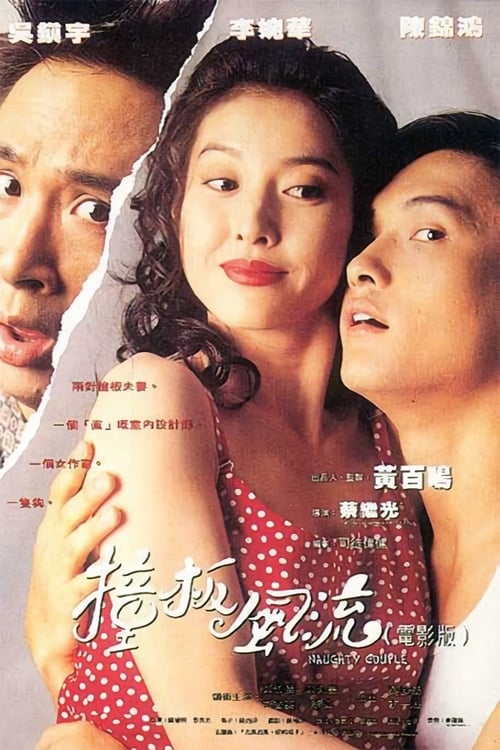
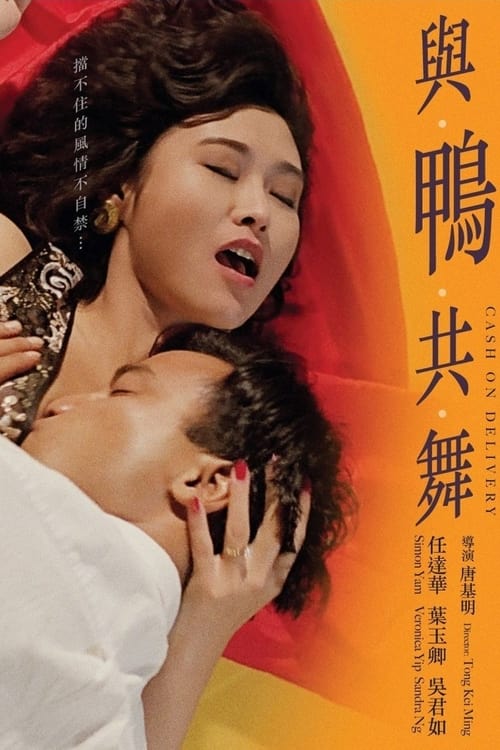
Ma Kam-Hang lives in a marriage that has gone so stale it feels staged before the story even properly begins, and every room in the house seems to hold the same quiet ache of people who have stopped wanting each other but have not yet stopped performing for one another. He is a book publisher, and his wife, desperate to make him notice her again, decides to provoke jealousy in the most humiliating way possible: she arranges a photo session in bed with Si, a gay decorator, turning intimacy itself into theater. The scene is meant to be fake, but the emotional damage is real, and the whole household vibrates with the tension of people trying to wound each other without saying the words aloud.
When Ma first sees the setup, the moment lands not as a clean revelation but as an ugly confirmation of everything he has been feeling--his marriage is empty, his wife is manipulating him, and everyone around him seems determined to make the day even worse. Linda Lo, another woman trapped in an unhappy marriage, is already there as part of the arrangement, dressed for the photos and adding one more layer of social embarrassment to the scene. The bed becomes a stage, the camera becomes a weapon, and the supposedly private domestic space starts to feel like a farcical public square where every look is overheard.
Si's lover is hidden in another room from the start, and that secret changes the mood of the entire house; nobody is just where they appear to be, and every person present has at least one lie in motion. The concealment gives the first stretch of the film its nervous energy, because the audience can feel the fragile balance of the room and see how easily one stray movement could break it open. Ma's anger is already building, and instead of fading after the humiliation, it hardens into something more dangerous: he arrives intending to kill Si. That threat hangs over the story like a storm cloud, even as the film keeps tipping into comic misunderstandings and social cruelty.
Before Ma can carry out that intent, the chaos multiplies. Henry Lo arrives with a call girl, adding another scandalous presence to the crowded space and making the already unstable situation almost impossible to contain. His entrance doesn't just bring sexual misbehavior into the room; it also widens the web of embarrassment, because now there are too many secrets for anyone to control them all. Every new arrival seems to deepen the lie rather than expose it, and the house becomes a machine for turning private frustration into public absurdity.
Then Lovely Pak enters the story and changes its direction. She is a best-selling author with conservative tastes, and she wants Ma to publish her books. Her arrival transforms the entire gathering from a domestic disaster into a social masquerade, because suddenly everyone has a reason to pretend to be respectable, restrained, and morally upright. What had been a messy tangle of sexual jealousy becomes a frantic performance of prudence, with each character trying to outdo the others in false propriety. The irony is sharp: the most indecent people in the room are now the ones most desperate to look innocent.
Ma, Si, Linda Lo, Henry Lo, the call girl, and the hidden lover all become pieces in a rapidly shifting farce where identity itself is unstable. Si pretends to be Ma, and Ma pretends to be a servant, the two men exchanging roles in a desperate attempt to survive the social pressure created by Lovely Pak's visit. The disguise is not only comic but also revealing, because it exposes how little the characters' public selves match their private ones. Ma, who began the story as a humiliated husband and furious publisher, is reduced to hiding behind servitude; Si, the gay decorator who helped stage the original jealous tableau, slips into the role of the husband whose life he has just helped wreck. The joke is physical, but the emotional meaning is clear: nobody in this house can remain who they are when forced to live inside the expectations of others.
The tension between Ma and Si sharpens as the scene escalates toward open conflict, with Ma's desire to kill Si still lingering beneath the comedic confusion. Yet the arrival of Lovely Pak keeps deferring violence into performance, because everyone knows that if they can just impress her, the publishing deal may still happen. Her prudishness is not a side detail but the central social force of the ending sequence, since the fate of Ma's professional future depends on whether he can appear conservative enough to win her approval. That pressure creates a bizarre inversion: all the characters who have spent the film behaving badly now have to act as if they are models of restraint.
Linda Lo's presence reinforces the film's theme of marital dissatisfaction, because she mirrors Ma's wife in another unhappy relationship, making the whole gathering feel like a collection of emotional failures pretending to be a social event. The fact that so many people are miserable in different ways turns the comedy darker under the surface; nobody is actually at peace, and the lies are not playful so much as desperate. Si's hidden lover, still concealed in another room, remains a literal embodiment of the film's obsession with secrecy, and the danger of exposure continues to pulse beneath the comic exchanges. Each new lie must be protected by another lie, and the house grows tighter and more claustrophobic as the scene continues.
The climax comes from the collision of all these false identities and moral performances. Lovely Pak's visit forces the household to become a stage for censorship and disguise, and the entire group scrambles to look proper enough to keep the opportunity alive. Si pretending to be Ma and Ma pretending to be a servant become the final comic maneuvers in a sequence already overloaded with doubled selves. The visual humor of the mistaken identities is matched by the emotional humiliation of everyone involved, especially Ma, whose personal life and professional ambitions are now both hostage to the same absurd night. He has moved from jealousy to rage to disguise, and the arc of the story keeps bending him away from direct confrontation and into deeper farce.
No deaths occur in the available plot information, and the story's conflict stays rooted in emotional cruelty, sexual deception, and social embarrassment rather than lethal violence. Ma never kills Si, despite arriving with that intention, and the film's energy comes from the fact that the threatened violence is absorbed into the swirl of mistaken identities instead of being carried out. The absence of death makes the ending even more absurd, because the entire situation has spiraled from a fake photo session into a full-scale crisis without any of the promised catastrophic release.
As the final stretch plays out, the most important unresolved question is whether Lovely Pak will sign the publishing contract. That professional outcome becomes the practical measure of whether the chaotic masquerade has succeeded, even though the personal damage is already done. The film closes on the unstable balance between appearances and truth: everyone has lied, everyone has posed, and everyone has been forced to adapt to a world where conservative respectability is just another costume. The couples do not find clean harmony, and the social order is not genuinely repaired; instead, the ending leaves the impression that the characters have survived by becoming even more performative than before. What began as a domestic attempt to manufacture jealousy ends as a manic comedy of concealment, with Ma still trapped between his dead marriage, his publishing ambitions, and the humiliating knowledge that the night has exposed almost everything except a real solution.
The last emotional note is one of frantic, unresolved irony. The wife's scheme has failed to restore genuine intimacy, Ma's rage has been swallowed by confusion, Si's secret life remains part-hidden, and Lovely Pak's conservative approval becomes the only prize anyone can still chase. The house that opened as a place of emotional emptiness ends as a theatre of masks, where desire, business, and identity all collapse into one another.

What is the ending?
In the ending of "Naughty Couple," the main characters, after a series of comedic misunderstandings and romantic entanglements, find themselves at a resolution where love prevails. The couple, having navigated through their misadventures, ultimately come together, realizing their feelings for each other. The film concludes with a light-hearted celebration of their relationship, emphasizing the importance of love and understanding.
As the final act unfolds, the scene opens in a vibrant, bustling park where the main characters, Alex and Mia, are caught in a moment of tension. They have just had a heated argument, fueled by jealousy and misunderstandings that have built up throughout the film. The sun is setting, casting a warm golden hue over the park, symbolizing the potential for reconciliation. Alex, feeling regretful, watches Mia walk away, her expression a mix of frustration and sadness.
In the next scene, Alex reflects on their journey together, recalling the fun and laughter they shared, juxtaposed with the conflicts that arose from their playful antics. He realizes that despite their differences, his feelings for Mia are genuine and deep. Determined to make amends, he rushes to find her, his heart racing with both anxiety and hope.
Meanwhile, Mia sits on a park bench, her thoughts swirling with confusion and hurt. She remembers the moments that made her fall for Alex--their shared laughter, the silly pranks, and the way he always managed to make her smile. Yet, the recent events have left her feeling vulnerable and unsure. As she gazes at the sunset, she contemplates whether their relationship can survive the chaos they've created.
The scene shifts back to Alex, who is now frantically searching for Mia. He approaches various people in the park, asking if they've seen her, his desperation palpable. The camera captures his determination, showcasing his internal struggle as he battles with his own insecurities about love and commitment.
Finally, in a climactic moment, Alex spots Mia from a distance. He runs towards her, calling out her name. The music swells, heightening the emotional stakes. Mia turns, her expression shifting from surprise to a guarded hope. As Alex reaches her, he takes a deep breath, his eyes filled with sincerity. He apologizes for his behavior, expressing how much she means to him.
Mia, still hesitant, listens as Alex pours out his heart, recounting the good times and acknowledging the mistakes they've made. The tension in the air begins to dissipate as she sees the genuine remorse in his eyes. Slowly, a smile breaks through her initial resistance, and she admits that she misses the fun they had together.
In a tender moment, they embrace, the warmth of their connection rekindling. The camera captures their laughter as they playfully tease each other, the earlier conflict fading into the background. The scene transitions to a lively celebration with friends, where the couple is surrounded by loved ones, reinforcing the theme of community and support in relationships.
As the film draws to a close, Alex and Mia share a dance under the stars, their chemistry undeniable. The final shot lingers on their joyful expressions, encapsulating the essence of their journey--a testament to the power of love, forgiveness, and the importance of embracing one's true feelings. The screen fades to black, leaving the audience with a sense of hope and the belief that love can triumph over misunderstandings.
In summary, Alex and Mia end up together, having learned valuable lessons about communication and trust. Their friends, who played significant roles in the comedic chaos, also find their own resolutions, celebrating the bonds of friendship and love that have been strengthened through the trials they faced.
Is there a post-credit scene?
The movie "Naughty Couple," produced in 1994, does not feature a post-credit scene. The film concludes its narrative without any additional scenes or content after the credits roll. The story wraps up with the main characters resolving their conflicts and finding a sense of closure, leaving no further developments or surprises for the audience to discover after the credits.
What are the main character's motivations throughout the film?
The main characters, a couple navigating their relationship, are driven by a desire for excitement and adventure, often leading them into humorous and chaotic situations. Their motivations stem from a mix of love, curiosity, and the need to break free from societal norms.
How do the characters' relationships evolve during the film?
As the story progresses, the couple faces various challenges that test their bond. They experience moments of jealousy, misunderstanding, and ultimately growth, leading to a deeper understanding of each other and their relationship.
What specific events lead to the couple's biggest conflict?
The couple's biggest conflict arises from a misunderstanding during a party, where one character misinterprets the actions of the other, leading to a series of comedic yet tense situations that escalate their disagreement.
What role do supporting characters play in the couple's journey?
Supporting characters, including friends and family, serve as catalysts for the couple's adventures and conflicts. They provide comedic relief, offer advice, and sometimes complicate the couple's relationship, ultimately influencing their decisions.
How does the setting impact the couple's experiences?
The film is set in vibrant urban locations that reflect the couple's adventurous spirit. The lively atmosphere of parties, cafes, and city streets enhances the comedic elements and serves as a backdrop for their romantic escapades.
Is this family friendly?
"Naughty Couple," produced in 1994, is not considered family-friendly due to its adult themes and content. The film contains several potentially objectionable aspects that may be upsetting for children or sensitive viewers.
-
Sexual Content: The film features scenes that include suggestive situations and innuendos, which may not be appropriate for younger audiences.
-
Mature Humor: The humor often revolves around adult relationships and sexual situations, which may be confusing or inappropriate for children.
-
Language: There may be instances of coarse language or suggestive dialogue that could be deemed unsuitable for a younger audience.
-
Romantic Entanglements: The plot involves complex romantic relationships that may include themes of infidelity or manipulation, which could be distressing for some viewers.
-
Emotional Turmoil: Characters experience emotional conflicts and struggles that may resonate negatively with sensitive viewers.
These elements contribute to the film's overall adult-oriented nature, making it less suitable for family viewing.








