











Popular
What is the significance of the character Colin McKenzie in Forgotten Silver?
How does the film depict the fictional films created by the character 'Sir John'?
What role does the character of the historian play in Forgotten Silver?
How does Forgotten Silver address the theme of lost history through its characters?
What is the impact of the film's mockumentary style on the portrayal of its characters?
Should I watch it?
Ask Your Own Question

What is the plot?
Sorry, we aren't able to watch and write up a full detailed plot yet. Check back in a few days.
More Movies Like This
Browse All Movies →





What is the ending?
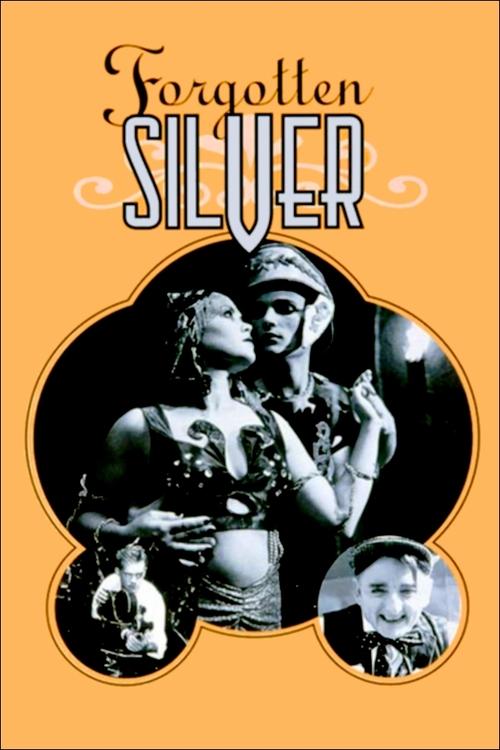
In the ending of "Forgotten Silver," the documentary reveals that the main character, Colin McKenzie, is not the legendary filmmaker he was portrayed to be. Instead, it is revealed that the entire story was a hoax, and the film's supposed historical significance was fabricated. The film concludes with a sense of disillusionment as the audience learns the truth about McKenzie and his work.
As the film approaches its conclusion, the narrative shifts into a more revealing phase. The documentary, which has been presented as a serious exploration of Colin McKenzie's life and contributions to cinema, begins to unravel the layers of its own story.
Scene by scene, the tension builds as the filmmakers delve deeper into McKenzie's supposed achievements. They showcase clips from his films, which are initially presented as groundbreaking works of art. The audience is led to believe that McKenzie was a pioneer in the film industry, having created significant works that were lost to time. The documentary features interviews with film historians and enthusiasts who passionately discuss McKenzie's impact on cinema, further solidifying his legacy in the viewers' minds.
However, as the narrative progresses, subtle hints of doubt begin to emerge. The filmmakers start to question the authenticity of the materials they have been presenting. They uncover inconsistencies in McKenzie's story, leading to a growing sense of unease. The tone shifts from reverence to skepticism as they investigate the veracity of the claims surrounding McKenzie's life and work.
In a pivotal moment, the filmmakers reveal that many of the films attributed to McKenzie do not exist, and the evidence of his supposed genius is fabricated. This revelation is shocking, as it dismantles the entire premise of the documentary. The audience is left grappling with the realization that they have been misled, and the emotional weight of this discovery hangs heavily in the air.
As the film concludes, the fate of Colin McKenzie is laid bare. It is revealed that he was a fictional character, a construct created by the filmmakers to explore themes of memory, legacy, and the nature of truth in storytelling. The documentary ends on a note of ambiguity, leaving viewers to ponder the implications of the hoax and the fragility of historical narratives.
The final scenes depict the filmmakers reflecting on their journey, grappling with the ethical implications of their work. They acknowledge the allure of myth-making and the ease with which stories can be manipulated. The film closes with a sense of disillusionment, as the audience is left to question the authenticity of the narratives they consume and the nature of truth in the world of cinema.
Is there a post-credit scene?
"Forgotten Silver," a mockumentary directed by Peter Jackson and Costa Botes, does not contain a post-credit scene. The film concludes with its narrative focused on the life and works of the fictional filmmaker Colin McKenzie, who is portrayed as a pioneering figure in early cinema. The film wraps up with a sense of closure regarding McKenzie's legacy, leaving viewers with the impression of having explored a significant yet overlooked chapter in film history. The absence of a post-credit scene aligns with the film's overall tone and structure, which is designed to mimic a documentary format rather than a traditional narrative film.
What is the significance of the character Colin McKenzie in Forgotten Silver?
Colin McKenzie is portrayed as a passionate and ambitious filmmaker who is dedicated to preserving the legacy of New Zealand cinema. His character embodies the spirit of creativity and the struggle for recognition in the film industry. Throughout the documentary, his emotional journey reflects the challenges faced by artists, as he seeks to uncover the lost works of his fictional ancestor, the pioneering filmmaker, and to validate his contributions to cinema.
How does the film depict the fictional films created by the character 'Sir John'?
The film presents a series of fictional silent films attributed to Sir John, showcasing elaborate scenes that blend humor and drama. These films are depicted with a sense of nostalgia and reverence, featuring grand landscapes of New Zealand, innovative camera techniques, and dramatic storytelling. The visual style mimics early 20th-century cinema, enhancing the authenticity of the narrative and drawing viewers into the world of forgotten cinema.
What role does the character of the historian play in Forgotten Silver?
The historian serves as a crucial figure in the narrative, providing context and credibility to Colin McKenzie's quest. He passionately discusses the significance of Sir John's work and the impact it had on the film industry, often reflecting on the cultural heritage of New Zealand. His insights help to deepen the audience's understanding of the fictional history being presented, while also highlighting the importance of preserving cinematic art.
How does Forgotten Silver address the theme of lost history through its characters?
The characters in Forgotten Silver, particularly Colin McKenzie and the historian, are driven by a desire to reclaim and celebrate lost cinematic history. Their emotional investment in uncovering Sir John's films illustrates the pain of forgotten contributions to culture. As they delve deeper into the past, their motivations reveal a longing for recognition and a connection to their heritage, emphasizing the importance of remembering those who have been overlooked.
What is the impact of the film's mockumentary style on the portrayal of its characters?
The mockumentary style of Forgotten Silver allows for a unique blend of humor and sincerity, affecting how characters are perceived. Colin McKenzie, for instance, is portrayed with a mix of earnestness and absurdity, making his passion both relatable and comical. This style creates a sense of intimacy with the audience, as viewers are drawn into the characters' quirks and aspirations, while also prompting them to question the authenticity of the narrative being presented.
Is this family friendly?
"Forgotten Silver" is a mockumentary that explores the fictional life of a New Zealand filmmaker named Colin McKenzie. While the film is generally light-hearted and humorous, there are a few elements that might be considered objectionable or upsetting for children or sensitive viewers:
-
Death and Tragedy: The film touches on themes of loss and the tragic fate of some characters, which may be emotionally heavy for younger audiences.
-
Violence in Film: There are references to violent scenes in McKenzie's films, including depictions of war and conflict, which might be unsettling.
-
Cultural Sensitivity: The film includes portrayals of indigenous cultures and historical events that may require a nuanced understanding, potentially leading to discomfort for some viewers.
-
Mockery of Serious Topics: The film's satirical approach to serious subjects, such as the film industry and historical accuracy, might not resonate well with all audiences.
Overall, while "Forgotten Silver" is not overtly inappropriate, its themes and some content may require parental guidance for younger viewers.









