
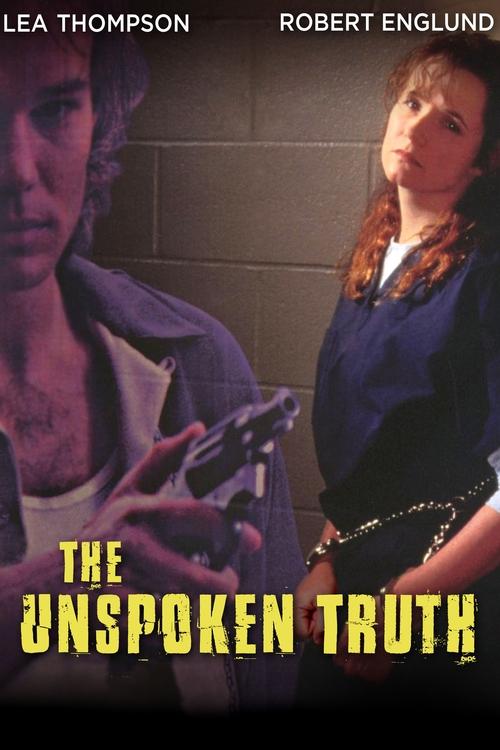
















Popular
How does Sarah's relationship with her family evolve throughout the film?
How does the film depict the theme of truth versus deception through its characters?
What is the main conflict that drives the story in The Unspoken Truth?
What role does the character of the family matriarch play in the story?
What specific event triggers Sarah's investigation into her family's past?
Should I watch it?
Ask Your Own Question

What is the plot?
Sorry, we aren't able to watch and write up a full detailed plot yet. Check back in a few days.
More Movies Like This
Browse All Movies →








What is the ending?
In the ending of "The Unspoken Truth," the protagonist, a determined journalist, uncovers a web of corruption and deceit that has plagued her community. As she confronts the powerful figures behind the conspiracy, she faces threats and intimidation. Ultimately, she bravely publishes her findings, leading to a public outcry and the downfall of those involved. The film concludes with her reflecting on the importance of truth and justice, despite the personal risks she faced.
Expanding on the ending, the final scenes unfold in a tense atmosphere, filled with a sense of urgency and danger. The journalist, whose name is Sarah, has gathered enough evidence to expose the corruption that has been hidden for years. She sits in her cluttered office, papers strewn about, her face illuminated by the glow of her computer screen. The weight of her discovery hangs heavily on her shoulders, and her heart races as she prepares to hit "send" on her exposé.
Scene by scene, the tension builds. Sarah recalls the moments leading up to this point: the late nights spent interviewing whistleblowers, the hushed conversations in dimly lit cafes, and the chilling threats she received from those who want to silence her. Each memory flashes before her eyes, reminding her of the stakes involved. She knows that publishing this story could put her life in danger, but the thought of the truth remaining buried is unbearable.
As she finally clicks "send," a wave of relief washes over her, but it is quickly replaced by anxiety. She glances at her phone, waiting for the inevitable backlash. The screen lights up with notifications, and she sees the first reactions from her editor and colleagues. The story begins to gain traction, and soon, the community is buzzing with outrage. Sarah watches as her words spark conversations, protests, and demands for accountability.
In the following scenes, we see the powerful figures she exposed scrambling to contain the fallout. They hold emergency meetings, their faces twisted in anger and fear. The camera captures their desperation as they attempt to discredit Sarah, but the truth has taken on a life of its own. News outlets pick up the story, and the public rallies behind Sarah, demanding justice.
As the dust begins to settle, Sarah receives a visit from a local activist who had been instrumental in providing her with information. They share a moment of triumph, acknowledging the risks they took and the sacrifices made along the way. However, the victory is bittersweet; Sarah knows that the fight for justice is far from over. She reflects on the friends she lost along the way, the threats that still loom, and the personal cost of her pursuit of truth.
In the final moments of the film, Sarah stands on a busy street corner, watching as a group of protesters marches by, holding signs that read "Justice for All" and "Truth Matters." A sense of hope fills her heart, but she also understands the ongoing struggle that lies ahead. The camera pulls back, capturing the vibrant energy of the crowd, symbolizing the collective power of the community united in the face of adversity.
The film closes with Sarah's voiceover, emphasizing the importance of speaking out against injustice, no matter the personal cost. The screen fades to black, leaving the audience with a lingering sense of determination and the reminder that the fight for truth is a continuous journey. Each character's fate is intertwined with the larger narrative of accountability and resilience, highlighting the impact of one individual's courage in the face of overwhelming odds.
Is there a post-credit scene?
The movie "The Unspoken Truth," produced in 1995, does not feature a post-credit scene. The film concludes its narrative without any additional scenes or content after the credits roll. The story wraps up with a focus on the resolution of the main characters' arcs and the themes explored throughout the film, leaving no further revelations or cliffhangers for the audience to ponder after the credits.
How does Sarah's relationship with her family evolve throughout the film?
Sarah's relationship with her family begins as one of loyalty and love, but as she uncovers the unsettling truths about their past, it becomes strained. Initially, her family members are supportive, but as she presses for answers, they become increasingly defensive and hostile, leading to emotional confrontations that reveal deep-seated fears and regrets.
How does the film depict the theme of truth versus deception through its characters?
The film intricately weaves the theme of truth versus deception through its characters, particularly through Sarah's relentless pursuit of the truth and her family's attempts to obscure it. Each character represents different facets of this theme: Sarah embodies the quest for honesty, while her relatives, especially Evelyn, illustrate the lengths to which people will go to protect their image and maintain familial bonds, often at the cost of honesty.
What is the main conflict that drives the story in The Unspoken Truth?
The main conflict in The Unspoken Truth revolves around the protagonist, a determined journalist named Sarah, who uncovers a dark family secret that has been buried for years. As she delves deeper into her family's past, she faces resistance from her relatives who are desperate to keep the truth hidden, leading to a tense struggle between her quest for truth and their desire for silence.
What role does the character of the family matriarch play in the story?
The family matriarch, Evelyn, serves as a pivotal character in The Unspoken Truth. She embodies the weight of the family's secrets and is portrayed as both protective and manipulative. Her emotional turmoil is palpable as she grapples with the consequences of her past decisions, ultimately revealing her motivations for keeping the truth hidden from Sarah.
What specific event triggers Sarah's investigation into her family's past?
The investigation is triggered when Sarah discovers an old photograph in her late grandmother's belongings, depicting a mysterious figure that is linked to a tragic event in their family's history. This discovery ignites her curiosity and compels her to seek out the truth, setting off a chain of events that unravels long-held family secrets.
Is this family friendly?
"The Unspoken Truth," produced in 1995, is a drama that delves into complex themes and emotional struggles. While it may not be overtly graphic, there are several aspects that could be considered objectionable or upsetting for children or sensitive viewers.
-
Family Conflict: The film explores intense family dynamics, including arguments and emotional confrontations that may be distressing for younger audiences.
-
Themes of Loss: The narrative addresses themes of grief and loss, which could evoke strong emotional responses and may be difficult for children to process.
-
Mental Health Issues: There are references to mental health struggles that may be portrayed in a way that could be unsettling for some viewers.
-
Emotional Turmoil: Characters experience significant emotional pain and turmoil, which could be heavy and potentially overwhelming for sensitive individuals.
-
Dramatic Tension: The film contains scenes of high emotional tension that may be intense and provoke anxiety.
Overall, while the film does not contain explicit content, its emotional depth and serious themes may not be suitable for all children or sensitive viewers.







