




Popular
What are the key events leading up to the dropping of the atomic bomb on Hiroshima?
How does the film depict the experiences of the citizens of Hiroshima during the bombing?
What role do the characters of Dr. Masakazu Fujii and Father Wilhelm Kleinsorge play in the story?
What are the personal stories of the survivors depicted in the film?
How does the film portray the aftermath of the bombing and its long-term effects on the survivors?
Should I watch it?
Ask Your Own Question

What is the plot?
Sorry, we aren't able to watch and write up a full detailed plot yet. Check back in a few days.







What is the ending?
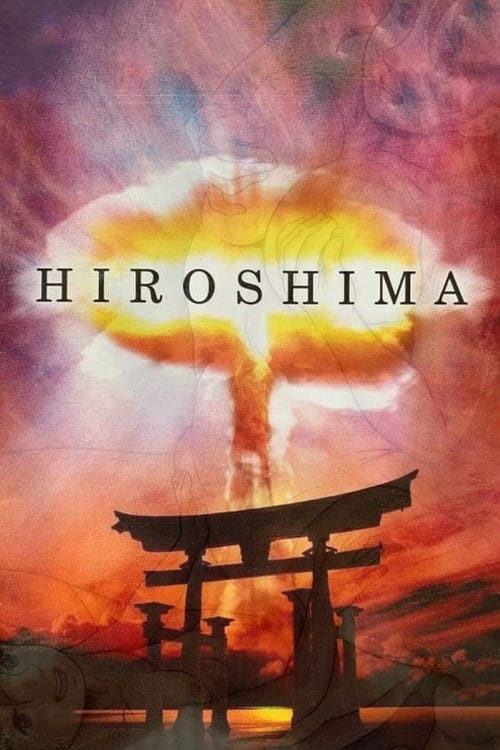
In the ending of the movie "Hiroshima," the aftermath of the atomic bomb is depicted through the devastation it caused to the city and its people. The film concludes with a somber reflection on the impact of war and the resilience of the human spirit, as survivors begin to rebuild their lives amidst the ruins.
As the film progresses towards its conclusion, the narrative shifts to the immediate aftermath of the bombing. The screen is filled with haunting images of destruction: buildings reduced to rubble, fires raging, and the cries of the injured echoing through the streets. The camera captures the chaos and despair that envelops Hiroshima, showcasing the physical and emotional toll on its inhabitants.
In one poignant scene, we see Dr. Sasaki, a dedicated physician, tirelessly working in a makeshift hospital. His face is etched with exhaustion and determination as he treats the wounded, embodying the spirit of resilience. Despite the overwhelming number of casualties, he remains focused on saving lives, driven by a deep sense of duty and compassion. His internal struggle is palpable; he grapples with the enormity of the tragedy while trying to maintain hope for the future.
Simultaneously, we follow the story of a young girl, a survivor named Shizuko, who has lost her family in the blast. Her journey through the ruins of Hiroshima is heart-wrenching. She wanders through the desolation, searching for any sign of her loved ones, her face a mixture of fear and determination. The audience feels her pain as she encounters other survivors, each with their own stories of loss and survival. Shizuko's resilience shines through as she clings to the hope of finding her family, representing the indomitable spirit of the people of Hiroshima.
As the film nears its end, the narrative shifts to a broader perspective, showing the international response to the bombing. News reports and discussions among world leaders highlight the moral implications of using atomic weapons. The film emphasizes the devastating consequences of war, not just for the immediate victims but for humanity as a whole.
In the final scenes, the camera pans over the rebuilt city of Hiroshima, juxtaposing the past with the present. Survivors, including Dr. Sasaki and Shizuko, are shown participating in memorial ceremonies, honoring those who perished. Their faces reflect a mix of sorrow and hope, as they come together to remember the past while looking towards a future of peace.
The film concludes with a powerful message about the importance of remembering history to prevent such tragedies from occurring again. The characters, having endured unimaginable loss, embody the resilience of the human spirit, reminding viewers of the need for compassion and understanding in the face of conflict.
Is there a post-credit scene?
The movie "Hiroshima," produced in 1995, does not contain a post-credit scene. The film concludes with a powerful and somber reflection on the events surrounding the atomic bombing of Hiroshima, focusing on the human experiences and the aftermath of the tragedy. The narrative wraps up with a poignant emphasis on the impact of war and the resilience of the human spirit, leaving viewers with a lasting impression of the historical significance and emotional weight of the story.
What are the key events leading up to the dropping of the atomic bomb on Hiroshima?
The film 'Hiroshima' intricately details the events leading up to the atomic bombing, focusing on the political and military decisions made by the United States. It portrays the intense discussions among American leaders, including President Truman, as they weigh the potential consequences of using the bomb against Japan. The narrative builds tension as it highlights the urgency of the war effort and the desire to end the conflict swiftly, ultimately leading to the fateful decision.
How does the film depict the experiences of the citizens of Hiroshima during the bombing?
The film vividly illustrates the harrowing experiences of Hiroshima's citizens on the day of the bombing. It captures the serene morning atmosphere abruptly shattered by the blinding flash and the deafening roar of the explosion. The aftermath is portrayed through the eyes of survivors, showcasing their immediate panic, confusion, and the devastating destruction that follows. The emotional weight of their suffering is palpable as they navigate the chaos, searching for loved ones amidst the ruins.
What role do the characters of Dr. Masakazu Fujii and Father Wilhelm Kleinsorge play in the story?
Dr. Masakazu Fujii, a local physician, and Father Wilhelm Kleinsorge, a German Jesuit priest, serve as pivotal characters in the narrative. Dr. Fujii is depicted as a dedicated doctor who faces the overwhelming challenge of treating countless injured victims after the bombing. His character embodies the struggle of medical professionals in the face of disaster. Father Kleinsorge, on the other hand, represents spiritual resilience, providing comfort and aid to the suffering. Their interactions and differing perspectives on faith and duty highlight the human response to tragedy.
What are the personal stories of the survivors depicted in the film?
The film interweaves personal stories of several survivors, showcasing their individual journeys through the horror of the bombing. One poignant narrative follows a young girl who loses her family and must navigate the ruins alone, embodying the innocence shattered by war. Another story focuses on a mother desperately searching for her children amidst the chaos. These personal accounts are rich in emotional detail, illustrating the profound impact of the bombing on their lives and the long-lasting scars it leaves.
How does the film portray the aftermath of the bombing and its long-term effects on the survivors?
In the aftermath of the bombing, the film portrays the physical and emotional scars left on the survivors. It depicts the struggle of individuals dealing with injuries, radiation sickness, and the loss of loved ones. The narrative emphasizes the long-term psychological effects, as characters grapple with trauma and the haunting memories of that day. The film also addresses the broader implications for the city of Hiroshima, showcasing the rebuilding efforts and the resilience of its people in the face of unimaginable loss.
Is this family friendly?
The movie "Hiroshima," produced in 1995, is a historical drama that depicts the events surrounding the atomic bombing of Hiroshima during World War II. While it is an important film that addresses significant historical events, it contains several scenes and themes that may be objectionable or upsetting for children or sensitive viewers.
-
Graphic Depictions of Destruction: The film includes intense scenes showing the aftermath of the bombing, including destruction of buildings and landscapes, which may be distressing.
-
Injured and Dying People: There are portrayals of severely injured individuals, including burns and other injuries, which can be quite graphic and emotionally challenging.
-
Death and Suffering: The film explores themes of loss, suffering, and the impact of war on civilians, which may be heavy for younger audiences.
-
Emotional Trauma: Characters experience profound grief and trauma, which may resonate deeply and evoke strong emotional responses.
-
Historical Context of War: The film addresses the broader context of World War II, including discussions of military strategy and the moral implications of the atomic bomb, which may be complex for younger viewers to understand.
Overall, while the film serves as a poignant reminder of the consequences of war, its content may not be suitable for all audiences, particularly children or those sensitive to graphic depictions of violence and suffering.