


















Popular
What role does the setting play in the development of the story?
What is the relationship between the main character, John, and his mother, Edna?
How does John's perspective on his mother change throughout the film?
What significant event from John's childhood does he confront in the film?
How does Edna's character evolve throughout the film?
Should I watch it?
Ask Your Own Question

What is the plot?
Sorry, we aren't able to watch and write up a full detailed plot yet. Check back in a few days.







What is the ending?
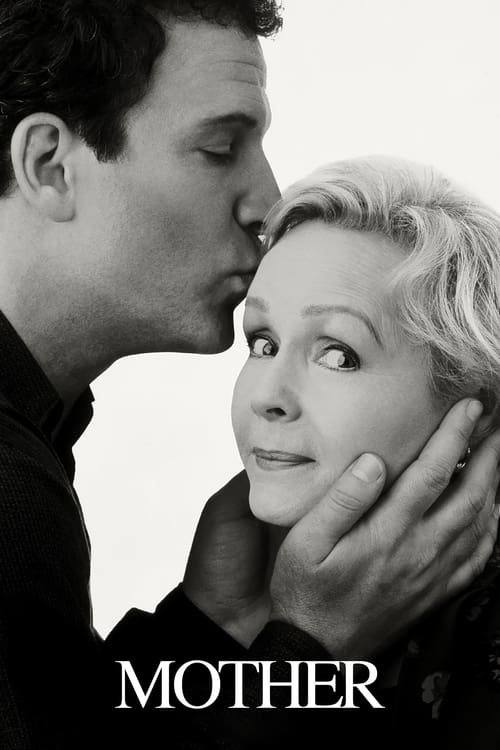
In the ending of the movie "Mother," produced in 1996, the main character, John, confronts his mother, and they have a heartfelt discussion about their relationship. John realizes the importance of understanding and accepting his mother, while she acknowledges her own shortcomings. The film concludes with a sense of reconciliation between them.
As the film approaches its conclusion, we find John, played by Albert Brooks, in a state of emotional turmoil. He has been navigating the complexities of his relationship with his mother, played by Debbie Reynolds, throughout the story. The tension between them has been palpable, stemming from years of misunderstandings and unspoken grievances.
In the penultimate scenes, John decides to confront his mother about their past. He invites her to sit down for a candid conversation, a moment that feels both necessary and daunting. The setting is intimate, perhaps in the living room of his home, where the walls seem to echo their shared history. John's demeanor is a mix of frustration and vulnerability; he is desperate for clarity and connection.
As they talk, John expresses his feelings of resentment and confusion regarding his upbringing. He recalls moments from his childhood that left him feeling neglected and misunderstood. His voice trembles with emotion as he recounts how he often felt overshadowed by his mother's strong personality and her own life choices. The camera captures the subtle shifts in his expression, revealing the depth of his internal struggle.
In response, John's mother listens intently, her face a canvas of regret and realization. She begins to share her own perspective, revealing the challenges she faced as a single mother. Her eyes glisten with unshed tears as she admits to her mistakes, acknowledging that she may not have been the perfect parent. This moment of vulnerability is crucial; it marks a turning point in their relationship. The audience can feel the weight of years of unspoken words lifting as they both begin to understand each other's experiences.
The conversation deepens, and they both start to share their fears and hopes. John's mother expresses her desire for a closer relationship with him, while John reveals his longing for acceptance and love. The emotional stakes are high, and the tension that once defined their interactions begins to dissolve. The scene is filled with a sense of catharsis, as both characters confront their past and begin to forge a new path forward.
As the film draws to a close, we see John and his mother embracing, a powerful symbol of reconciliation. The camera lingers on their embrace, capturing the warmth and relief that comes from finally understanding one another. This moment signifies not just forgiveness but also the possibility of a renewed relationship, one built on mutual respect and empathy.
In the final scenes, we witness John taking steps to integrate his mother into his life more fully. He invites her to family gatherings, and they share moments of laughter and joy, suggesting a hopeful future. The film ends on a note of optimism, leaving the audience with the impression that while the journey of understanding is ongoing, both characters are committed to nurturing their bond.
In summary, the fates of the main characters are intertwined in this moment of reconciliation. John emerges with a newfound understanding of his mother, while she, in turn, gains insight into her son's struggles. Their relationship, once fraught with tension, transforms into one of mutual support and love, highlighting the film's central themes of family, forgiveness, and the complexities of parent-child dynamics.
Is there a post-credit scene?
The movie "Mother," produced in 1996 and directed by Albert Brooks, does not have a post-credit scene. The film concludes with a poignant and reflective ending that encapsulates the themes of family dynamics and the complexities of the mother-son relationship. After the main narrative wraps up, the credits roll without any additional scenes or content following them. The focus remains on the emotional journey of the characters throughout the film, leaving the audience to ponder the insights gained from their experiences.
What role does the setting play in the development of the story?
The film is set primarily in John's childhood home, which serves as a physical representation of his past and the emotional baggage he carries. The familiar yet stifling environment amplifies the tension between John and Edna, as it evokes memories of their shared history. The setting becomes a character in itself, reflecting the themes of nostalgia, regret, and the difficulty of moving on.
What is the relationship between the main character, John, and his mother, Edna?
John is a middle-aged man who has a strained relationship with his mother, Edna. Throughout the film, their interactions reveal a complex dynamic filled with tension, resentment, and a longing for connection. John struggles with his feelings of inadequacy and the burden of his mother's expectations, while Edna grapples with her own regrets and the impact of her parenting on John's life.
How does John's perspective on his mother change throughout the film?
Initially, John views his mother as a source of frustration and disappointment, often feeling suffocated by her overbearing nature. However, as he delves into his past and confronts unresolved issues, he begins to see her as a flawed individual shaped by her own experiences. This shift in perspective allows him to empathize with her struggles, leading to a more nuanced understanding of their relationship.
What significant event from John's childhood does he confront in the film?
John confronts a pivotal event from his childhood involving a traumatic incident that shaped his relationship with his mother. This event, which he had buried deep within his memory, resurfaces as he navigates his feelings of anger and betrayal. The confrontation forces him to reevaluate his past and the impact it has had on his adult life, ultimately leading to a cathartic moment of reconciliation.
How does Edna's character evolve throughout the film?
Edna begins as a seemingly domineering and critical mother, but as the story unfolds, her vulnerabilities and regrets come to light. Through her interactions with John and moments of introspection, the audience sees her struggle with loneliness and the consequences of her choices. This evolution adds depth to her character, revealing her as a complex individual who, despite her flaws, seeks connection and understanding with her son.
Is this family friendly?
The movie "Mother," produced in 1996, is a comedy-drama that explores complex family dynamics and relationships. While it has humorous moments, there are several aspects that may be considered objectionable or upsetting for children or sensitive viewers:
-
Adult Themes: The film delves into themes of divorce, familial conflict, and the challenges of adult relationships, which may be difficult for younger audiences to fully understand.
-
Language: There are instances of strong language and adult conversations that may not be suitable for children.
-
Emotional Conflict: The characters experience significant emotional turmoil, including feelings of disappointment, frustration, and sadness, which could be distressing for sensitive viewers.
-
Parental Relationships: The portrayal of the mother-son relationship includes moments of tension and conflict that may resonate with viewers who have experienced similar familial issues.
-
Mature Situations: There are scenes that involve discussions about personal relationships and sexuality that may not be appropriate for younger audiences.
Overall, while "Mother" contains comedic elements, its exploration of serious themes and adult situations may make it less suitable for children or those who are sensitive to such content.








