





Loading additional questions...
Popular
What motivates Betty Baker to become involved in her community?
How does Betty's relationship with her family evolve throughout the film?
What challenges does Betty face in her quest to improve her neighborhood?
Who are the key supporting characters that influence Betty's journey?
What specific community projects does Betty undertake, and how do they impact her neighborhood?
Should I watch it?
Ask Your Own Question

What is the plot?








What is the ending?
In the ending of "Good Citizen: Betty Baker," Betty Baker confronts the consequences of her actions as she navigates the fallout from her attempts to be a good citizen. The film concludes with her facing the reality of her choices, leading to a resolution that reflects her growth and the impact of her decisions on those around her.
As the final act unfolds, Betty Baker finds herself in a tense situation. After her well-meaning but misguided attempts to help her community have spiraled out of control, she is confronted by the very people she sought to assist. The emotional weight of her actions bears down on her, and she realizes that her intentions, while noble, have led to unintended consequences.
In a pivotal scene, Betty stands in front of a gathering of her neighbors, who are divided in their opinions about her. Some express gratitude for her efforts, while others voice their frustrations and anger. The tension in the air is palpable, and Betty's internal struggle is evident as she grapples with feelings of guilt and confusion. She takes a deep breath, her heart racing, and begins to speak. Her voice trembles as she acknowledges her mistakes, admitting that her desire to be a good citizen has sometimes clouded her judgment.
As she speaks, the camera captures the varied reactions of the crowd. Some faces soften, showing understanding, while others remain hardened, reflecting the rift her actions have caused. Betty's vulnerability shines through as she shares her motivations, revealing her deep-seated desire to connect with her community and make a difference. This moment of honesty resonates with several individuals in the crowd, leading to a gradual shift in the atmosphere.
In the climax of the film, Betty's confrontation with her neighbors culminates in a moment of catharsis. One neighbor, who had been particularly vocal against her, steps forward and shares a personal story of how Betty's actions inadvertently helped them during a difficult time. This revelation sparks a wave of empathy among the crowd, and slowly, others begin to share their own experiences, both positive and negative, regarding Betty's influence.
The film closes with a montage of scenes showing Betty rebuilding her relationships within the community. She is seen engaging in small acts of kindness, attending neighborhood meetings, and working alongside her neighbors to address the issues that matter to them. The final shot lingers on Betty, smiling as she participates in a community event, surrounded by people who have come to accept her for who she is, flaws and all.
In terms of character fates, Betty emerges from the turmoil with a renewed sense of purpose and connection to her community. She learns that being a good citizen is not just about grand gestures but also about listening, understanding, and being present for others. The neighbors who once opposed her begin to see her as a valuable member of their community, illustrating the film's message about the importance of empathy and communication in overcoming conflict.
Is there a post-credit scene?
The movie "Good Citizen: Betty Baker," produced in 1996, does not have a post-credit scene. The film concludes its narrative without any additional scenes or content after the credits roll. The story wraps up with Betty Baker's journey and the resolution of her character arc, leaving the audience with a sense of closure regarding her experiences and the challenges she faced throughout the film.
What motivates Betty Baker to become involved in her community?
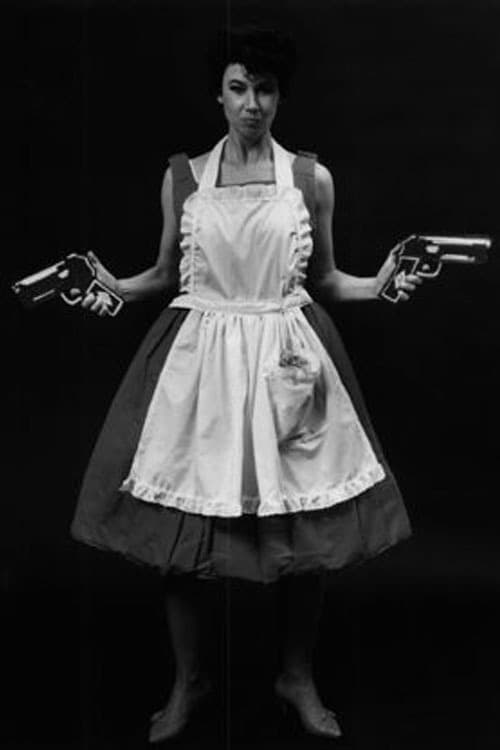
Betty Baker, portrayed as a seemingly ordinary woman, is driven by a deep desire to make a difference in her community. Her motivations stem from a combination of personal experiences and a longing for connection, as she feels isolated in her suburban life. This yearning for purpose propels her to take on various community projects, showcasing her determination to be seen and valued.
How does Betty's relationship with her family evolve throughout the film?
Throughout 'Good Citizen Betty Baker,' Betty's relationship with her family undergoes significant changes. Initially, her family is skeptical of her community involvement, viewing it as a distraction from her domestic responsibilities. However, as Betty gains confidence and begins to assert her independence, her family starts to recognize her passion and commitment, leading to a gradual shift in their support and understanding of her role as a community leader.
What challenges does Betty face in her quest to improve her neighborhood?
Betty encounters numerous challenges in her quest to improve her neighborhood, including resistance from local authorities and skepticism from her neighbors. She faces bureaucratic red tape that complicates her initiatives, as well as personal setbacks that test her resolve. These obstacles force Betty to confront her own insecurities and push her to find creative solutions, ultimately highlighting her resilience and determination.
Who are the key supporting characters that influence Betty's journey?
Key supporting characters include Betty's husband, who initially doubts her ambitions, and a group of neighbors who either support or oppose her efforts. A mentor figure emerges in the form of a seasoned community activist, who provides guidance and encouragement, helping Betty navigate the complexities of local politics. These relationships are pivotal in shaping Betty's growth and the trajectory of her community projects.
What specific community projects does Betty undertake, and how do they impact her neighborhood?
Betty undertakes several community projects, including organizing a neighborhood watch program, initiating a community garden, and advocating for local park improvements. Each project not only aims to enhance the physical environment but also fosters a sense of unity among residents. As Betty's initiatives gain traction, they lead to increased community engagement, transforming the neighborhood into a more vibrant and connected place, while also empowering Betty herself.
Is this family friendly?
"Good Citizen: Betty Baker" is a film that, while primarily a comedy, does contain some elements that may be considered objectionable or upsetting for children or sensitive viewers. Here are a few aspects to consider:
-
Mature Themes: The film explores themes of crime and deception, which may be complex for younger audiences to fully understand.
-
Violence: There are scenes that depict minor violence or threats, which could be unsettling for children.
-
Language: The dialogue includes some strong language that may not be suitable for younger viewers.
-
Emotional Turmoil: Characters experience significant emotional struggles, including feelings of betrayal and desperation, which could be distressing for sensitive viewers.
-
Social Issues: The film touches on issues of morality and ethics in a way that may provoke thought but could also be confusing or upsetting for younger audiences.
Overall, while the film has comedic elements, these aspects may warrant caution for family viewing.







