
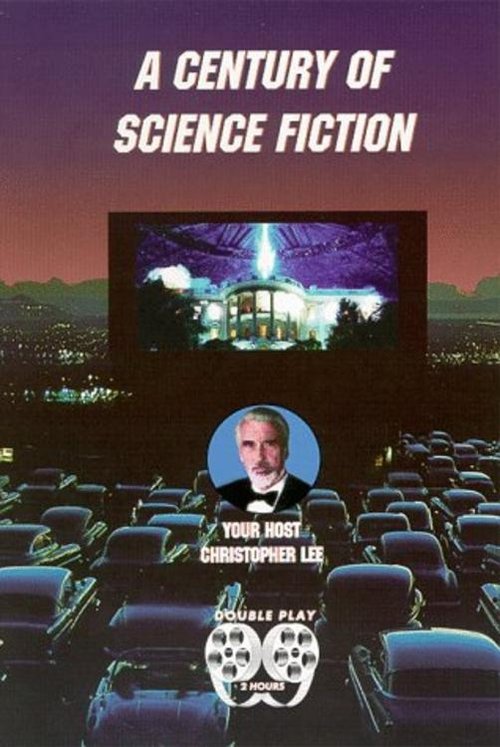

















Popular
What are some key science fiction films discussed in A Century of Science Fiction?
How does the documentary address the evolution of special effects in science fiction films?
What role do iconic science fiction characters play in the narrative of the documentary?
How does A Century of Science Fiction depict the relationship between science fiction and societal issues?
What insights does the documentary provide about the filmmakers behind classic science fiction movies?
Should I watch it?
Ask Your Own Question

What is the plot?
Sorry, we aren't able to watch and write up a full detailed plot yet. Check back in a few days.
More Movies Like This
Browse All Movies →





What is the ending?
The ending of "A Century of Science Fiction" culminates in a reflective exploration of the impact of science fiction on society and culture, showcasing the genre's evolution and its influence on human imagination. The film concludes with a montage of iconic science fiction imagery and a narration that emphasizes the enduring legacy of the genre.
In a more detailed narrative, the film's ending unfolds as follows:
As the documentary progresses towards its conclusion, the screen fills with a montage of memorable scenes from classic science fiction films, interspersed with interviews from notable authors, filmmakers, and critics. The visuals are vibrant and dynamic, showcasing everything from the sleek spacecraft of "2001: A Space Odyssey" to the dystopian landscapes of "Blade Runner." Each clip serves as a testament to the creativity and innovation that science fiction has inspired over the past century.
The narration, delivered in a thoughtful and reflective tone, begins to summarize the key themes explored throughout the film. It highlights how science fiction has not only entertained audiences but has also provoked thought about the future of humanity, technology, and the universe. The voiceover emphasizes the genre's ability to challenge societal norms and inspire generations of thinkers and dreamers.
As the montage continues, the film revisits some of the most significant moments in science fiction history, including the rise of space exploration and the ethical dilemmas posed by advancements in technology. The imagery evokes a sense of nostalgia and wonder, reminding viewers of the genre's power to ignite the imagination.
In the final moments, the screen fades to black, and the narration crescendos, underscoring the idea that science fiction is not merely a reflection of our fears and hopes but a vital part of our cultural fabric. The film closes with a powerful statement about the future, suggesting that as long as humanity continues to dream, science fiction will remain a beacon of possibility.
The fate of the main characters in this documentary format is not defined in the traditional sense, as it does not follow a narrative with character arcs or conflicts. Instead, the film's "characters" are the various contributors--authors, filmmakers, and critics--who share their insights and experiences. Their collective reflections serve to highlight the ongoing dialogue about the significance of science fiction in shaping our understanding of the world and our place within it.
In essence, the ending of "A Century of Science Fiction" encapsulates the genre's rich history and its potential to inspire future generations, leaving viewers with a sense of hope and curiosity about what lies ahead.
Is there a post-credit scene?
The movie "A Century of Science Fiction," produced in 1996, does not contain a post-credit scene. The film is a documentary that explores the evolution of science fiction in literature and film over the past hundred years, featuring interviews, clips, and discussions about the genre's impact on culture and society. The focus remains on the content presented throughout the film, rather than any additional scenes after the credits.
What are some key science fiction films discussed in A Century of Science Fiction?
A Century of Science Fiction explores a variety of influential science fiction films, including classics like 'Metropolis,' '2001: A Space Odyssey,' and 'Star Wars.' Each film is analyzed for its impact on the genre and its cultural significance.
How does the documentary address the evolution of special effects in science fiction films?
The documentary highlights the technological advancements in special effects, showcasing how films like 'Star Wars' revolutionized the industry with groundbreaking visual effects, while earlier films relied on practical effects and innovative techniques to create their fantastical worlds.
What role do iconic science fiction characters play in the narrative of the documentary?
Iconic characters such as Darth Vader, Spock, and the Terminator are examined for their cultural impact and the ways they reflect societal fears and aspirations, illustrating how these characters have become symbols of the science fiction genre.
How does A Century of Science Fiction depict the relationship between science fiction and societal issues?
The documentary delves into how various science fiction films address pressing societal issues, such as war, technology, and environmental concerns, using specific examples from films that mirror the anxieties of their respective eras.
What insights does the documentary provide about the filmmakers behind classic science fiction movies?
A Century of Science Fiction features interviews and commentary from notable filmmakers and writers, offering insights into their creative processes, motivations, and the challenges they faced in bringing their visionary ideas to the screen.
Is this family friendly?
"A Century of Science Fiction," produced in 1996, is a documentary that explores the evolution of science fiction in literature and film over the past hundred years. While it is primarily educational and informative, there are a few aspects that might be considered potentially objectionable or upsetting for children or sensitive viewers:
-
Mature Themes: The documentary discusses complex themes such as war, dystopia, and existentialism, which may be difficult for younger audiences to fully grasp.
-
Violent Imagery: Clips from various science fiction films may include scenes of violence, destruction, or horror, which could be unsettling for some viewers.
-
Philosophical Concepts: The exploration of darker philosophical questions about humanity, technology, and the future may provoke anxiety or discomfort in sensitive individuals.
-
Creepy Creatures and Monsters: The documentary features various science fiction creatures and monsters that may be frightening to younger children.
Overall, while the documentary is not explicitly designed for children, it can be suitable for older audiences with parental guidance, as it encourages critical thinking about the genre and its impact on society.








