








No Image
Popular
What are the key influences on Lars von Trier's filmmaking style as depicted in the documentary?
How does Lars von Trier's personality and personal struggles manifest in his work?
What specific films are analyzed in the documentary to illustrate von Trier's evolution as a filmmaker?
How does the documentary portray von Trier's relationships with actors and collaborators?
What role does humor play in Lars von Trier's films as discussed in the documentary?
Should I watch it?
Ask Your Own Question

What is the plot?
Sorry, we aren't able to watch and write up a full detailed plot yet. Check back in a few days.
More Movies Like This
Browse All Movies →


What is the ending?
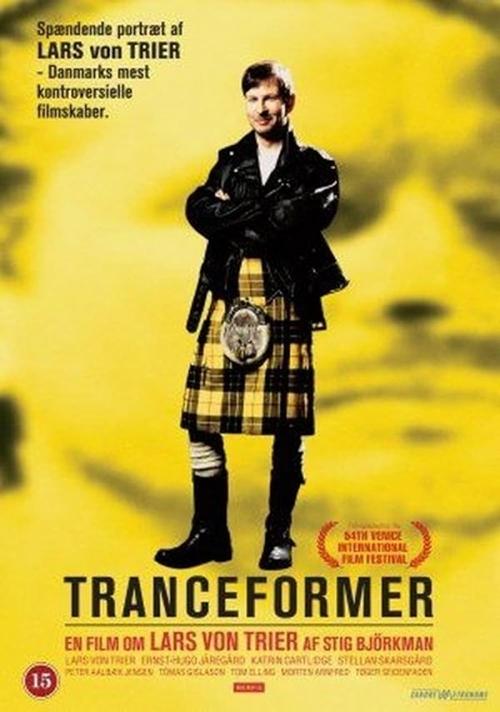
In the ending of "Tranceformer: A Portrait of Lars von Trier," the film culminates in a reflective and introspective moment for Lars von Trier as he grapples with his identity as a filmmaker and the impact of his work. The documentary concludes with a sense of ambiguity, leaving viewers to ponder the complexities of creativity and the personal struggles that accompany it.
As the film approaches its conclusion, we see Lars von Trier in a series of contemplative scenes. He is often shown in his workspace, surrounded by scripts and film equipment, his expression a mix of determination and vulnerability. The camera captures him in quiet moments, where he reflects on his past films, the controversies they sparked, and the emotional toll of his artistic journey.
In one poignant scene, Lars discusses the nature of fear and how it influences his storytelling. He reveals his deep-seated anxieties about failure and the expectations placed upon him as a director. This moment is underscored by a montage of clips from his previous works, illustrating the themes of darkness and human struggle that permeate his films.
The film then shifts to a more personal note, as Lars opens up about his relationships with collaborators and actors. He acknowledges the challenges of working with strong personalities and the emotional weight that comes with directing. This vulnerability is palpable, as he expresses a longing for connection amidst the chaos of his creative process.
As the credits begin to roll, the final images of Lars are interspersed with scenes from his films, creating a tapestry of his artistic legacy. The audience is left with a lingering sense of uncertainty about his future endeavors, but also an appreciation for the raw honesty he brings to his work.
In summary, the ending of "Tranceformer" encapsulates Lars von Trier's internal struggles and the complexities of his artistic identity, leaving viewers to reflect on the intricate relationship between a creator and their creations.
Is there a post-credit scene?
"Tranceformer: A Portrait of Lars von Trier," produced in 1997, does not feature a post-credit scene. The documentary concludes without any additional footage or scenes after the credits roll. Instead, it wraps up by reflecting on Lars von Trier's complex personality and artistic vision, leaving viewers with a sense of contemplation about his work and the themes explored throughout the film. The focus remains on the insights and interviews presented during the documentary, emphasizing von Trier's provocative nature and the impact of his films.
What are the key influences on Lars von Trier's filmmaking style as depicted in the documentary?
The documentary explores various influences on Lars von Trier's filmmaking, including his childhood experiences, his relationship with his father, and the impact of European cinema. It highlights how these elements shaped his unique narrative style and visual aesthetics.
How does Lars von Trier's personality and personal struggles manifest in his work?
Throughout the documentary, Lars von Trier's personality is portrayed as complex and often contradictory. His struggles with depression and anxiety are reflected in the dark themes of his films, showcasing a deep connection between his personal life and artistic expression.
What specific films are analyzed in the documentary to illustrate von Trier's evolution as a filmmaker?
The documentary delves into several of von Trier's notable films, including 'Breaking the Waves,' 'Dancer in the Dark,' and 'Dogville.' Each film is examined for its thematic depth, character development, and the innovative techniques von Trier employed.
How does the documentary portray von Trier's relationships with actors and collaborators?
The film provides insight into von Trier's often tumultuous relationships with actors and collaborators, showcasing both the creative synergy and the conflicts that arise during the filmmaking process. Interviews reveal how his demanding nature can lead to intense working environments.
What role does humor play in Lars von Trier's films as discussed in the documentary?
The documentary highlights the use of dark humor in von Trier's films, illustrating how it serves as a coping mechanism for both the characters and the audience. This juxtaposition of humor and tragedy is a recurring theme that adds complexity to his storytelling.
Is this family friendly?
"Tranceformer: A Portrait of Lars von Trier" is a documentary that delves into the life and work of the provocative filmmaker Lars von Trier. While it offers insights into his creative process and personal struggles, it contains several elements that may not be suitable for children or sensitive viewers.
-
Mature Themes: The film explores complex and often dark themes such as depression, anxiety, and the nature of artistic genius, which may be difficult for younger audiences to understand.
-
Graphic Content: There are discussions and clips from von Trier's films that include graphic violence, sexual content, and disturbing imagery, reflecting his controversial style.
-
Strong Language: The documentary features strong language and frank discussions about personal and professional challenges, which may be inappropriate for younger viewers.
-
Emotional Distress: Scenes depicting von Trier's struggles with mental health and his candid reflections on his life can be intense and may evoke strong emotional responses.
-
Unconventional Behavior: The film showcases von Trier's unconventional and sometimes erratic behavior, which may be unsettling for some viewers.
Overall, while "Tranceformer" provides a fascinating look at an influential filmmaker, its content is more suited for mature audiences who can engage with its complex themes and emotional depth.








