











Popular
What motivates Catherine Sloper to pursue a relationship with Morris Townsend despite her father's disapproval?
How does Dr. Sloper's attitude towards Catherine affect her self-esteem throughout the film?
What role does the setting of Washington Square play in the development of the characters?
How does Catherine's relationship with her father evolve throughout the film?
What are the implications of Morris Townsend's character on Catherine's choices and her eventual fate?
Should I watch it?
Ask Your Own Question

What is the plot?
Sorry, we aren't able to watch and write up a full detailed plot yet. Check back in a few days.








What is the ending?
In the ending of "Washington Square," Catherine Sloper confronts Morris Townsend about his intentions, ultimately rejecting him. She chooses to remain true to herself and her values, leading to a poignant moment of self-realization. The film concludes with Catherine embracing her independence, while Morris is left to face the consequences of his deceitful actions.
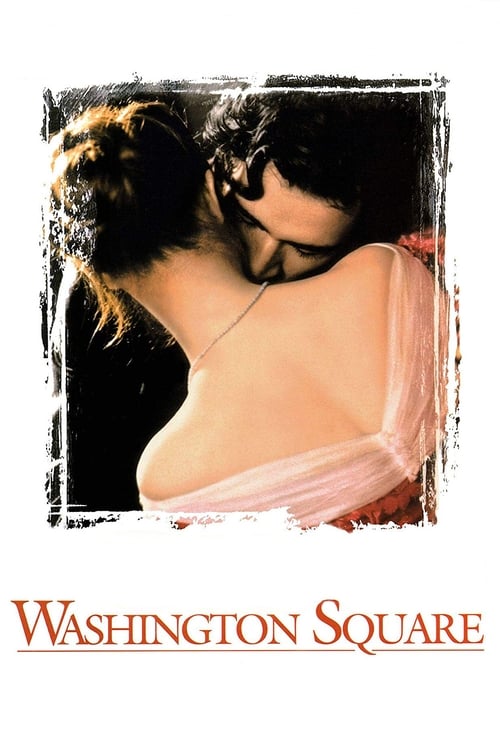
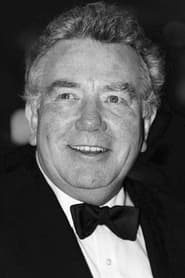
As the final act unfolds, the scene transitions to the Sloper family home, where Catherine Sloper, played by Jennifer Jason Leigh, is grappling with the emotional turmoil of her relationship with Morris Townsend, portrayed by Ben Chaplin. The atmosphere is thick with tension as Catherine's father, Dr. Austin Sloper, played by Albert Finney, continues to express his disapproval of Morris, whom he believes is only after Catherine's inheritance.
In a pivotal moment, Catherine confronts Morris in the drawing room. The room is dimly lit, casting shadows that reflect the uncertainty of their relationship. Morris, with his charming demeanor, attempts to persuade Catherine of his love, but she is no longer the naive young woman he once wooed. Instead, she stands firm, her posture straightening as she realizes the depth of her father's concerns. The emotional weight of her father's warnings hangs heavily in the air, and Catherine's internal struggle is palpable.
As the conversation escalates, Catherine's voice quivers with a mix of anger and sadness. She demands to know if Morris truly loves her or if he is merely after her wealth. Morris, caught off guard, falters in his response, revealing the cracks in his facade. The tension reaches a climax as Catherine, with tears in her eyes, declares that she will not be a pawn in his game. This moment of clarity marks a significant turning point for her character, showcasing her growth and newfound strength.
Following this confrontation, the scene shifts to Dr. Sloper, who is seen in his study, reflecting on the events that have transpired. His stern demeanor softens slightly as he acknowledges Catherine's resilience. He realizes that she has made her own choices, and for the first time, he seems to respect her autonomy. The camera lingers on his face, capturing a mix of pride and concern for his daughter's future.
In the final scenes, Catherine is depicted walking through Washington Square Park, the vibrant greenery contrasting with her earlier emotional turmoil. She is alone, yet there is a sense of peace about her. The sunlight filters through the trees, symbolizing a new beginning. As she walks, she reflects on her journey, the camera focusing on her contemplative expression. The audience can sense her acceptance of her situation and her commitment to living life on her own terms.
Morris, on the other hand, is left to grapple with the consequences of his actions. The film closes with him standing outside the Sloper home, a look of desperation on his face as he realizes that his charm and deceit have failed him. He is left without the love he sought, and the emptiness of his ambition becomes evident.
In the end, Catherine Sloper emerges as a woman who has chosen self-respect over societal expectations, while Morris Townsend is left to confront the reality of his manipulations. The film concludes with a powerful message about the importance of integrity and the strength found in self-acceptance.
Is there a post-credit scene?
The movie "Washington Square," produced in 1997, does not have a post-credit scene. The film concludes with a poignant ending that encapsulates the emotional journey of the characters, particularly focusing on Catherine Sloper's choices and her relationship with Morris Townsend. After the final credits roll, there are no additional scenes or content that follow. The film wraps up its narrative without extending into a post-credit sequence.
What motivates Catherine Sloper to pursue a relationship with Morris Townsend despite her father's disapproval?
Catherine Sloper, portrayed by Jennifer Jason Leigh, is initially drawn to Morris Townsend due to his charm and the attention he gives her, which is a stark contrast to her father's coldness. Her desire for love and validation drives her to overlook the warnings from her father, Dr. Sloper, who believes Morris is only after her inheritance.
How does Dr. Sloper's attitude towards Catherine affect her self-esteem throughout the film?
Dr. Sloper, played by Albert Finney, is emotionally distant and critical of Catherine, often belittling her intelligence and beauty. This treatment deeply impacts Catherine's self-esteem, making her feel inadequate and desperate for approval, which ultimately influences her decisions regarding Morris.
What role does the setting of Washington Square play in the development of the characters?
The setting of Washington Square, with its lush gardens and elegant architecture, serves as a backdrop that reflects the social status and emotional isolation of the characters. It highlights Catherine's confinement within her father's expectations and the societal pressures of the time, contrasting her yearning for freedom and love.
How does Catherine's relationship with her father evolve throughout the film?
Catherine's relationship with Dr. Sloper evolves from a naive hope for his approval to a painful realization of his disdain for her choices. As she becomes more determined to assert her independence, the rift between them widens, culminating in her defiance against his wishes regarding Morris.
What are the implications of Morris Townsend's character on Catherine's choices and her eventual fate?
Morris Townsend, portrayed by Ben Chaplin, embodies both romantic allure and potential deceit. His character represents the societal pressures and the allure of love that Catherine craves. His eventual abandonment of her after her father's rejection leads Catherine to confront her own desires and the harsh realities of her situation, ultimately shaping her path towards self-discovery.
Is this family friendly?
"Washington Square," produced in 1997, is a period drama that explores themes of love, betrayal, and social class. While it is not explicitly a family-friendly film, it does not contain graphic violence or explicit content. However, there are several aspects that may be objectionable or upsetting for children or sensitive viewers:
-
Emotional Manipulation: The film delves into complex emotional relationships, including manipulation and unrequited love, which may be difficult for younger audiences to understand.
-
Family Conflict: There are scenes depicting tension and conflict within the family, particularly between the protagonist, Catherine, and her father, which may be distressing.
-
Themes of Rejection: The protagonist experiences rejection and heartbreak, which could resonate negatively with sensitive viewers.
-
Social Class Commentary: The film addresses issues of social class and the struggles of the main character, which may be heavy themes for younger viewers.
-
Loss and Grief: There are moments that touch on loss and the emotional weight of grief, which could be upsetting.
Overall, while the film is not overtly inappropriate, its themes and emotional depth may not be suitable for all children or sensitive individuals.









