

Popular
What role does Neil Young play in the film Year of the Horse?
How does the film portray the relationship between Neil Young and Crazy Horse?
What are some key performances featured in Year of the Horse?
How does the documentary depict the touring experience for Neil Young and Crazy Horse?
What insights does Neil Young share about his creative process in the film?
Should I watch it?
Ask Your Own Question

What is the plot?
Sorry, we aren't able to watch and write up a full detailed plot yet. Check back in a few days.
More Movies Like This
Browse All Movies →

What is the ending?
In the ending of "Year of the Horse," Neil Young and his band, Crazy Horse, finish their tour, reflecting on their experiences and the challenges they faced. The film concludes with a sense of camaraderie among the band members, as they embrace their shared journey and the music that binds them together.
As the film approaches its conclusion, the scenes shift to the final leg of the tour. The atmosphere is charged with anticipation and a hint of exhaustion. Neil Young, visibly worn yet passionate, prepares for the last performance. The camera captures the intimate moments backstage, where the band members share quiet conversations, revealing their vulnerabilities and the weight of their experiences.
The stage lights dim, and the audience's roar fills the air as they take the stage one last time. Neil, with his guitar slung over his shoulder, steps into the spotlight, his face a mixture of determination and reflection. The band launches into their final set, the music pulsating with raw energy. Each note resonates with the struggles and triumphs they have faced throughout the tour.
As they play, the film intercuts between the performance and candid moments of the band members. Billy Talbot, the bassist, is shown lost in the rhythm, his eyes closed, embodying the spirit of the music. Ralph Molina, the drummer, maintains a steady beat, his focus unwavering, while Poncho Sampedro, the guitarist, adds layers of sound, his fingers dancing over the strings. The camaraderie among them is palpable, a testament to their shared history and the bond forged through years of collaboration.
The performance culminates in a powerful crescendo, with Neil's voice soaring above the instruments, filled with emotion. The audience is captivated, their cheers echoing in the venue, a reflection of the connection between the band and their fans. As the final notes fade, the band members exchange glances, a silent acknowledgment of their journey together.
After the show, the band gathers backstage, the weight of the tour lifting slightly as they share laughter and stories. Neil expresses gratitude for the experience, recognizing the challenges they faced but also the joy of creating music together. Each member reflects on their personal journey, revealing their hopes and fears, and the importance of their bond.
As the credits roll, the film leaves viewers with a sense of closure. Neil Young, Crazy Horse, and their music remain a testament to resilience and the power of collaboration. The final scenes emphasize the enduring nature of their friendship and the impact of their art, suggesting that while the tour may have ended, their journey as musicians and friends continues.
Is there a post-credit scene?
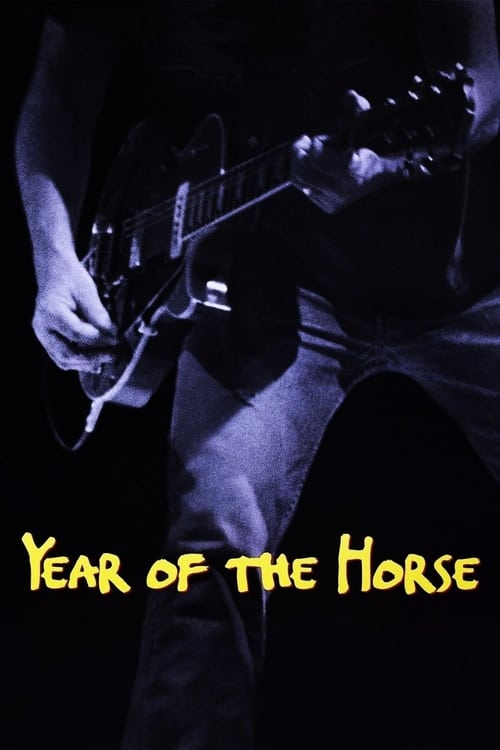
"Year of the Horse," directed by Jim Jarmusch, is a documentary that follows the rock band Neil Young and Crazy Horse during their 1996 tour. The film captures the raw energy of their performances, interspersed with interviews and behind-the-scenes footage that delve into the band's dynamics and Neil Young's artistic vision.
However, there is no post-credit scene in "Year of the Horse." The film concludes with a final performance segment, leaving the audience with a sense of the band's enduring spirit and the emotional weight of their music. The absence of a post-credit scene aligns with the film's focus on the authenticity of the live experience and the intimate portrayal of the musicians, rather than offering additional narrative twists or revelations. The film ends on a reflective note, emphasizing the connection between the band and their audience, encapsulating the essence of their journey together.
What role does Neil Young play in the film Year of the Horse?
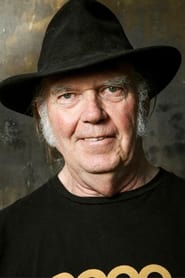
In 'Year of the Horse', Neil Young serves as the central figure, both as a musician and a storyteller. He is depicted performing with his band, Crazy Horse, and shares his thoughts on the creative process, the struggles of touring, and his connection to the music. His emotional state fluctuates throughout the film, reflecting his passion for music and the toll that the lifestyle takes on him.
How does the film portray the relationship between Neil Young and Crazy Horse?
The film showcases a deep, complex relationship between Neil Young and the members of Crazy Horse. It highlights their camaraderie, shared history, and the tension that arises from their artistic differences. The emotional bond is palpable during rehearsals and performances, where their synergy is evident, yet moments of frustration and conflict also surface, revealing the challenges of collaboration.
What are some key performances featured in Year of the Horse?
Key performances in 'Year of the Horse' include live renditions of songs from Neil Young's discography, showcasing the raw energy and improvisational spirit of Crazy Horse. The film captures the intensity of their concerts, with powerful visuals of the band on stage, the audience's reactions, and the emotional highs and lows of live music.
How does the documentary depict the touring experience for Neil Young and Crazy Horse?
The documentary provides an intimate look at the touring experience, illustrating the grueling schedule, the exhaustion, and the exhilaration of performing. It captures behind-the-scenes moments, such as travel in the tour bus, interactions with fans, and the toll that constant movement takes on the band members, particularly Neil Young, who grapples with the pressures of fame and the desire for authenticity.
What insights does Neil Young share about his creative process in the film?
Throughout 'Year of the Horse', Neil Young offers candid insights into his creative process, discussing the importance of spontaneity and emotional honesty in his music. He reflects on the challenges of staying true to his artistic vision while navigating the music industry, revealing his internal struggles and the motivations that drive him to create.
Is this family friendly?
"Year of the Horse," produced in 1997, is a documentary film that follows the rock band Neil Young and Crazy Horse during their 1996 tour. While it primarily focuses on the music and performances, there are several aspects that may be considered objectionable or upsetting for children or sensitive viewers.
-
Substance Use: The film includes scenes depicting the use of alcohol and references to drug culture, which may not be suitable for younger audiences.
-
Mature Themes: There are discussions and themes related to personal struggles, including mental health and existential reflections, which may be heavy for children to process.
-
Language: The film contains some strong language, which could be inappropriate for younger viewers.
-
Emotional Intensity: The documentary captures raw emotions and the struggles of the band members, which may be intense or upsetting for sensitive viewers.
-
Performance Footage: Some concert scenes may feature loud music and chaotic visuals that could be overwhelming for children.
Overall, while the film is a celebration of music and artistry, its mature themes and content may not be suitable for all audiences, particularly younger children.








