


Popular
What special performances or attractions were featured during the 25th Anniversary Party?
Which Disney characters made special appearances during the celebration?
How did the event incorporate the history of Walt Disney World?
What was the significance of the fireworks display during the celebration?
Were there any special announcements or surprises revealed during the event?
Should I watch it?
Ask Your Own Question

What is the plot?
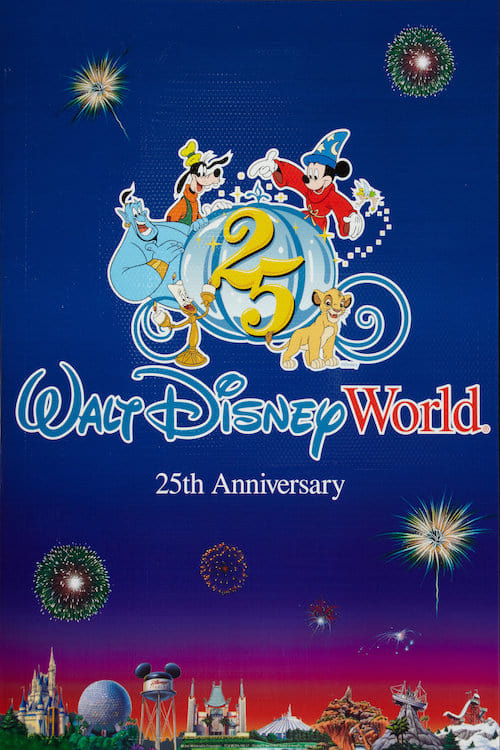
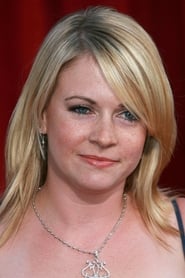
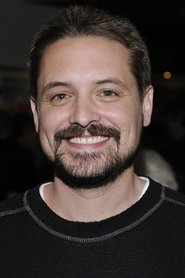
Walt Disney World's 25th Anniversary Party opens not like a drama with a crisis, but like a live televised celebration that wants the audience to feel as if they are stepping straight into the heart of the resort's milestone year. The ABC special airs on February 28, 1997, and from the moment Melissa Joan Hart and Will Friedle take over as hosts, the entire broadcast frames itself around the idea of remembering the magic--the official anniversary slogan and the title of the theme song that keeps resurfacing throughout the night.
The first thing the special does is establish that this is not a fictional story with villains, deaths, or suspenseful reversals, but a commemorative showcase built from performances, park footage, celebrity appearances, and behind-the-scenes access. Hart and Friedle serve as the friendly guides through that experience, giving the broadcast a youthful, fast-moving energy as they usher viewers from one celebratory segment to the next. The tone is upbeat from the start: this is Walt Disney World presenting itself at twenty-five years old as both a nostalgic landmark and an empire still growing, still transforming, still promising more wonders ahead.
As the special unfolds, the visual centerpiece of the entire anniversary is impossible to ignore: Cinderella Castle at the Magic Kingdom, dressed up as a giant pink birthday cake. The sources describe it as one of the defining symbols of the 25th anniversary, with foam-like icing details, gumdrop decorations, lollipops, and candles turning the park's most iconic structure into an enormous confection. In the logic of the special, that castle is more than scenery; it is the emotional anchor of the event, the first image many viewers associate with the celebration, and the clearest statement that this is a birthday party on a grand, almost surreal scale. The special keeps returning to that image in spirit even when it cuts away, because the castle cake gives the whole broadcast its identity: bright, festive, a little extravagant, and designed to look unforgettable on television.
The anniversary theme, "Remember the Magic," is threaded through the special as both a slogan and a song title, and the broadcast treats it like a mission statement. It tells viewers not just to look at the current resort, but to think about everything that has built up to this moment--opening day memories, decades of park expansion, and the emotional relationship guests have with the property. The special makes nostalgia feel active rather than passive. It is not simply remembering; it is reanimating memory through music, celebrity, and spectacle.
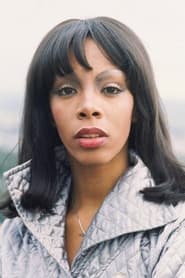
That sentiment becomes especially vivid when Gloria Estefan appears to perform "Remember the Magic." Her performance functions like the broadcast's musical heart, turning the anniversary slogan into something emotional and communal rather than just promotional. The sources also identify other performances included in the wider special footage, such as Donna Summer singing "Last Dance" and the Village People performing "Y.M.C.A." These moments keep the pacing lively and reinforce the party atmosphere: the special is not trying to tell a linear story so much as create the feeling of moving through one great evening of celebration after another.
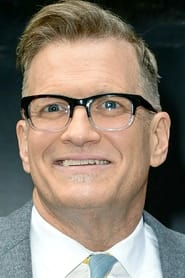
From there, the broadcast expands beyond the front-facing glamour of the parks and starts pulling the audience behind the curtain. Drew Carey appears as a guide through the backstage machinery of Walt Disney World, including control rooms and other behind-the-scenes park spaces. This shift changes the emotional texture of the special. Up to that point, the spectacle has been largely about presentation--music, decoration, and pageantry--but Carey's tour adds a sense of hidden labor and technical precision beneath the magic. The resort begins to feel less like a dream floating on its own and more like a living machine, carefully orchestrated by unseen teams of people to keep the illusion seamless. The sources do not provide a full transcript of his segment, but they do make clear that his role is to reveal the operational side of the parks, giving viewers a rare glimpse into the systems that make the celebration work.
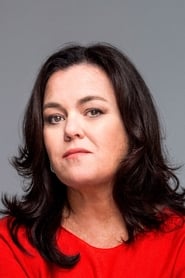
The special then broadens its scope further by spotlighting upcoming and newly highlighted attractions, using the anniversary year as a bridge between what Walt Disney World has been and what it is becoming. One of the most notable examples is Rosie O'Donnell's segment on the Tower of Terror and the Imagineers behind it. The sources identify this as an early look rather than a finished story beat, which makes it feel like a reveal of future excitement rather than a dramatic twist. The attraction itself belongs to the era's broader sense of expansion and experimentation, where Disney is not only celebrating a quarter century of history but actively building the next chapter. In the same spirit, the broader anniversary coverage referenced in the sources points to Test Track at EPCOT, a major new attraction due to open in spring 1997, and to other developments associated with the year-long celebration.
That same forward-looking energy is tied to the Magic Kingdom's anniversary programming. The sources describe the "Remember the Magic Parade" as one of the signature offerings of the celebration, a daily procession built around the anniversary theme and the resort's legacy of characters, floats, and musical presentation. In the special's broader context, the parade serves as a moving expression of the resort's identity: classic Disney imagery passing before the crowd as if the entire history of the park is being paraded through the present. Related anniversary materials also mention a 25th Anniversary Welcome Center at the Magic Kingdom, where guests could watch "Mickey's Magic Memories" or other preview films and receive commemorative items like badges and lithographs. Even when those pieces are not shown in full in the television special, they belong to the same narrative of curated memory and anticipation: Disney is inviting guests not merely to visit, but to mark the occasion as part of their own personal history.
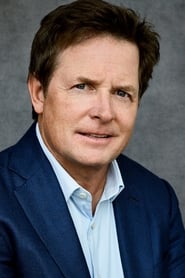
The special's celebrity lineup deepens that sense of occasion. The sources name Michael J. Fox, Rosie O'Donnell, Donna Summer, the Village People, Hillary Rodham Clinton, Drew Carey, and Gloria Estefan among the guests participating in the event. Their appearances do not function like plot twists; instead, they serve as bursts of prestige and variety that keep the broadcast feeling broad, public, and celebratory. Some appear in performance roles, some in guided segments, and others as part of the broader festive atmosphere, but all contribute to the same effect: Walt Disney World is presenting itself as a place where entertainment, politics, music, television, and theme-park engineering all overlap under one enormous celebratory roof.
The special also sits within a larger anniversary context that stretches beyond the single broadcast. The broader 25th anniversary year began in 1996 and continued into 1997, with official festivities tied to the resort's 25th birthday and with major events occurring across the property. The sources mention the opening of new experiences and resort developments such as the BoardWalk Resort, as well as promotional materials that highlighted future projects like Disney's Animal Kingdom and the Disney Cruise Line. That context matters because it explains why the television special feels less like a single-night ceremony and more like a public showcase of an entire transitional era. The broadcast is not only honoring the past twenty-five years; it is also acting as a televised sales pitch for the next phase of the company's expansion.
Visually, the most memorable thing in the special remains the castle cake, and emotionally, the most resonant thing remains the theme of memory. The sources repeatedly frame the anniversary as an attempt to make guests feel the accumulated weight of their own visits, their childhood experiences, and their connection to the resort. That emotional strategy is why the special can move so quickly between a rededication montage, a backstage tour, a performance by Gloria Estefan, and a parade highlight without losing coherence. Every piece is designed to serve the same purpose: to tell viewers that Walt Disney World is not just a destination, but a living archive of feeling.
There are no deaths anywhere in the special, and there is no antagonist to defeat or mystery to solve. The structure simply does not support that kind of conflict. Instead, the tension comes from anticipation--what will be shown next, which attraction will be previewed, which celebrity will appear, and how the broadcast will connect the resort's past to its future. Even the more controversial element in the wider anniversary discussion, the castle cake itself, is not a confrontation inside the special but a retrospective reaction from some park guests who loved it and others who found it overwhelming or out of place. In other words, the "drama" of the anniversary exists outside the special's internal structure, in the reactions to the spectacle rather than in any story event within it.
As the broadcast moves toward its close, it does what variety specials of this kind do best: it gathers the various threads of the evening into a final atmosphere of communal celebration. The performances, the behind-the-scenes glimpses, the celebrity cameos, and the anniversary imagery all reinforce the same final feeling that Walt Disney World is crossing a threshold but not ending anything. The resort is twenty-five years old, yes, but the special's energy insists that this is only one milestone in a much larger story still unfolding. The broadcast leaves viewers with the emotional equivalent of looking down Main Street after sunset--bright lights, music still echoing, and the castle glowing at the center as if the celebration could continue indefinitely.
The final scene, as the sources allow it to be reconstructed, is not a dramatic finale but a celebratory fadeout on the anniversary spirit itself: the hosts, the performances, the park imagery, and the slogan "Remember the Magic" all pointing back to the same commemorative message. Nothing is resolved because nothing needs resolution; the special ends by affirming that Walt Disney World's quarter-century history is worth honoring and that its future is already being unveiled. It closes as a televised birthday party should--on applause, music, and the lingering image of a resort that has turned its own memory into the event.
More Movies Like This
Browse All Movies →

What is the ending?
The ending of "Walt Disney World's 25th Anniversary Party" features a grand celebration filled with fireworks, music, and a sense of nostalgia as characters reflect on the joy and magic of Disney. The event culminates in a spectacular finale that showcases the park's history and the happiness it brings to families, leaving viewers with a sense of wonder and appreciation for the legacy of Walt Disney World.
As the celebration unfolds, the camera captures the vibrant atmosphere of the park, filled with families and friends enjoying the festivities. The characters, including beloved Disney figures, engage with guests, sharing laughter and joy. The emotional high point arrives as the night sky lights up with a dazzling fireworks display, symbolizing the magic of Disney and the memories created over the past 25 years.
In this moment, the characters embody the spirit of togetherness and happiness that Disney represents. The event concludes with a heartfelt message about the importance of dreams and the joy of sharing experiences with loved ones, leaving a lasting impression on all who attended.
As the final scenes of "Walt Disney World's 25th Anniversary Party" unfold, the atmosphere is electric with excitement. The camera pans over the park, capturing the vibrant decorations that adorn Cinderella Castle, shimmering under the night sky. Families gather, their faces illuminated by the colorful lights, as they prepare for the grand finale of the celebration.
The scene transitions to a stage where Disney characters, including Mickey Mouse, Minnie Mouse, Donald Duck, and Goofy, take center stage. They are dressed in festive attire, embodying the joy and spirit of the occasion. The characters engage with the audience, inviting them to join in the celebration. Laughter and cheers fill the air as the characters perform lively songs, encouraging everyone to sing along.
As the performance reaches its peak, the music swells, and the characters lead the crowd in a dance, creating a sense of unity and shared joy. The camera captures the smiles of children and adults alike, their hearts filled with the magic of Disney. This moment serves as a reminder of the happiness that Disney brings to families, transcending generations.
Suddenly, the sky darkens, and the first fireworks explode overhead, illuminating the night with brilliant colors. The audience gasps in awe, their eyes wide with wonder. The fireworks are synchronized with the music, creating a breathtaking spectacle that captivates everyone present. Each burst of light represents a cherished memory, a dream fulfilled, and the magic of Disney that has touched countless lives over the years.
As the fireworks continue to light up the sky, the camera shifts to the characters, who watch in amazement. Mickey, with a twinkle in his eye, reflects on the journey of Disney over the past 25 years. He feels a deep sense of pride and gratitude for the joy that the park has brought to so many. Minnie, standing beside him, shares his sentiment, her heart swelling with love for the families who have created memories at the park.
The finale of the fireworks display is a breathtaking crescendo, with the sky ablaze in a riot of colors. The characters join hands, forming a circle, and invite the audience to do the same. Together, they celebrate the magic of dreams and the importance of family and friendship. The scene is filled with laughter, joy, and a sense of belonging, as everyone feels connected through the shared experience of the celebration.
As the last firework fades into the night, the characters take a moment to express their gratitude to the audience. Mickey steps forward, his voice filled with warmth, thanking everyone for being a part of this special milestone. He emphasizes the importance of dreams and the magic that can be found in everyday moments. The crowd erupts in applause, their hearts full of appreciation for the memories created during the celebration.
In the final moments, the camera captures the faces of families, their eyes sparkling with joy and wonder. The characters wave goodbye, promising to continue spreading magic and happiness for years to come. The screen fades to black, leaving viewers with a sense of nostalgia and a reminder of the enduring legacy of Walt Disney World.
As the credits roll, the fate of the main characters is clear: they remain symbols of joy and magic, continuing to inspire generations to dream big and cherish the moments spent with loved ones. The celebration may have ended, but the spirit of Disney lives on in the hearts of all who experienced the 25th Anniversary Party.
Is there a post-credit scene?
"Walt Disney World's 25th Anniversary Party," produced in 1997, does not feature a post-credit scene. The special primarily focuses on the celebration of the milestone anniversary of Walt Disney World, showcasing various performances, attractions, and appearances by beloved Disney characters. The event is filled with music, dance, and a sense of nostalgia, but it concludes without any additional scenes or content after the credits roll. The emphasis remains on the festivities and the joy of the occasion rather than any narrative continuation.
What special performances or attractions were featured during the 25th Anniversary Party?
The 25th Anniversary Party showcased a variety of special performances, including musical numbers featuring beloved Disney characters. Notable attractions included a parade that highlighted iconic Disney films and characters, with elaborate floats and vibrant costumes that brought the magic of Disney to life.
Which Disney characters made special appearances during the celebration?
During the 25th Anniversary Party, numerous Disney characters made special appearances, including Mickey Mouse, Minnie Mouse, Donald Duck, and Goofy. Each character was dressed in festive attire, celebrating the milestone with guests and participating in various performances throughout the event.
How did the event incorporate the history of Walt Disney World?
The event incorporated the history of Walt Disney World through nostalgic segments that highlighted key moments from the park's past. This included video montages showcasing the evolution of attractions, guest experiences, and the impact of Disney on popular culture, evoking a sense of nostalgia among attendees.
What was the significance of the fireworks display during the celebration?
The fireworks display during the 25th Anniversary Party was a significant highlight, symbolizing the joy and magic of Disney. The show featured a synchronized musical score that included classic Disney songs, creating an emotional atmosphere as guests watched the colorful explosions light up the night sky, celebrating the park's legacy.
Were there any special announcements or surprises revealed during the event?
Yes, during the 25th Anniversary Party, there were special announcements regarding upcoming attractions and enhancements to the park. These surprises included sneak peeks of new rides and experiences that would be introduced in the following years, generating excitement among fans and guests.
Is this family friendly?
"Walt Disney World's 25th Anniversary Party" is designed to be a family-friendly celebration, showcasing the magic and joy of Disney. The event features a variety of performances, parades, and appearances by beloved Disney characters, all aimed at creating a festive atmosphere suitable for audiences of all ages.
While the program is largely positive and uplifting, there are a few aspects that might be considered potentially upsetting for very sensitive viewers:
-
Emotional Moments: Some segments may evoke nostalgia or emotional responses, particularly when characters reflect on memories or the passage of time, which could be poignant for some children or sensitive individuals.
-
Crowd Scenes: The large crowds and excitement during the celebrations might be overwhelming for some children, especially those who are not accustomed to busy environments.
-
Character Interactions: Occasionally, characters may engage in playful antics that could be interpreted as slightly mischievous or chaotic, which might be surprising to some viewers.
Overall, the event is crafted to be a joyous occasion, celebrating the magic of Disney, and is intended to be enjoyed by families without significant objectionable content.









