














Popular
How does the protagonist's relationship with his family change throughout the film?
What motivates the main character to pursue wealth through Feng Shui?
What role does the mentor character play in the protagonist's journey?
What specific challenges does the protagonist face while applying Feng Shui principles?
How does the protagonist's understanding of wealth evolve throughout the film?
Should I watch it?
Ask Your Own Question

What is the plot?
Sorry, we aren't able to watch and write up a full detailed plot yet. Check back in a few days.








What is the ending?
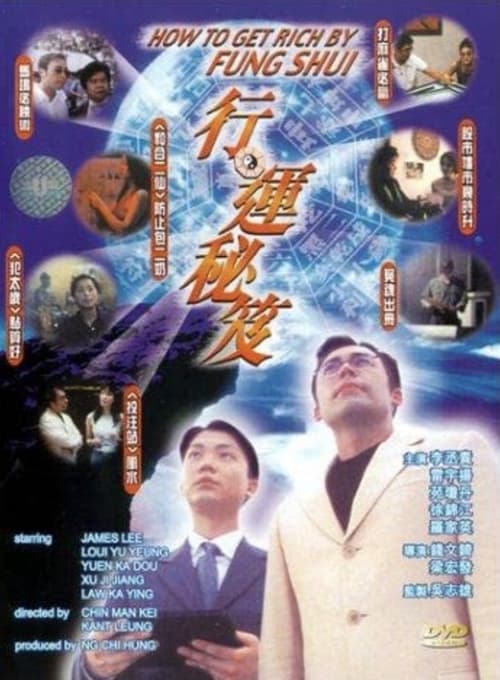
In the ending of "How to Get Rich By Fung Shui," the protagonist, a struggling man named Ah Choi, ultimately learns the true value of relationships and personal integrity over material wealth. After a series of misadventures and the pursuit of riches through feng shui, he realizes that his obsession with money has led him to neglect his loved ones. In the final scenes, he reconciles with his family and friends, choosing to embrace a simpler, more meaningful life rather than chasing after wealth.
As the film draws to a close, Ah Choi stands at a crossroads, both literally and metaphorically. He has been through a whirlwind of experiences, from the initial excitement of discovering feng shui principles to the subsequent chaos that ensued as he tried to apply them in his life. The camera captures his weary face, reflecting the toll that his relentless pursuit of wealth has taken on him.
In the final scenes, Ah Choi is seen returning to his family home, where he is greeted with a mix of relief and apprehension. His family, who had been worried about his obsession with getting rich, are initially hesitant but soon embrace him. The warmth of their reunion is palpable, filled with laughter and tears, as they share stories and reminisce about better times.
As the sun sets, casting a golden hue over the scene, Ah Choi stands outside with his family, looking at the stars. He reflects on his journey, realizing that the true treasures in life are not material possessions but the bonds he shares with those he loves. The film ends on a hopeful note, with Ah Choi choosing to live a life filled with love and connection rather than one driven by greed.
In this final act, the film emphasizes the importance of family, friendship, and the realization that true happiness cannot be bought. Ah Choi's fate is one of redemption; he finds peace in his relationships rather than in wealth. The other characters, including his family and friends, also find closure as they come together, reinforcing the film's message about the value of human connection over material gain.
Is there a post-credit scene?
The movie "How to Get Rich By Fung Shui," produced in 1998, does not have a post-credit scene. The film concludes its narrative without any additional scenes or content after the credits roll. The story wraps up with the main character's journey and the lessons learned about wealth, fortune, and the influence of feng shui on one's life. The focus remains on the character's development and the resolution of the plot, leaving no further scenes to explore after the credits.
How does the protagonist's relationship with his family change throughout the film?
As the protagonist begins to experience financial success through Feng Shui, his relationship with his family becomes strained. Initially, they are skeptical of his methods, but as he starts to gain wealth, they become more supportive. However, the protagonist's obsession with money leads to conflicts, particularly with his parents, who value traditional family ties over material wealth.
What motivates the main character to pursue wealth through Feng Shui?
The main character, a struggling young man, is initially driven by his desire to escape poverty and improve his living conditions. He feels trapped in a cycle of financial instability and believes that mastering Feng Shui will provide him with the tools to attract wealth and success.
What role does the mentor character play in the protagonist's journey?
The mentor character serves as a guiding figure who introduces the protagonist to the principles of Feng Shui. This character embodies wisdom and experience, providing not only practical advice but also emotional support. Their relationship evolves as the protagonist learns to balance the teachings of Feng Shui with his personal values and relationships.
What specific challenges does the protagonist face while applying Feng Shui principles?
The protagonist encounters various challenges, including skepticism from friends and family, financial setbacks, and the temptation to compromise his values for quick wealth. He struggles with the practical application of Feng Shui in his life, facing obstacles that test his commitment to the principles he learns.
How does the protagonist's understanding of wealth evolve throughout the film?
Initially, the protagonist equates wealth solely with material possessions and financial success. However, as he progresses through his journey, he begins to understand that true wealth encompasses emotional fulfillment, relationships, and personal integrity. This evolution is marked by key moments of reflection and conflict that challenge his initial beliefs.
Is this family friendly?
The movie "How to Get Rich By Fung Shui," produced in 1998, is generally considered family-friendly, but it does contain some elements that may be objectionable or upsetting for children or sensitive viewers. Here are a few aspects to consider:
-
Superstitions and Beliefs: The film revolves around the concept of feng shui, which may introduce children to ideas about luck and fortune that are based on superstition. Some viewers may find these themes confusing or unsettling.
-
Financial Struggles: The characters experience significant financial difficulties, which may evoke feelings of anxiety or discomfort, especially for younger viewers who may not fully understand the implications of money problems.
-
Family Tensions: There are moments of conflict and tension within the family as they navigate their financial issues and differing beliefs about wealth and success. This could be distressing for sensitive viewers.
-
Romantic Elements: The film includes romantic subplots that may not be suitable for very young children, as they touch on adult themes of relationships and attraction.
-
Cultural References: Some cultural references and practices related to feng shui may be unfamiliar or confusing to children, potentially leading to misunderstandings.
Overall, while the film is light-hearted and comedic in nature, these elements may require parental guidance for younger audiences.