
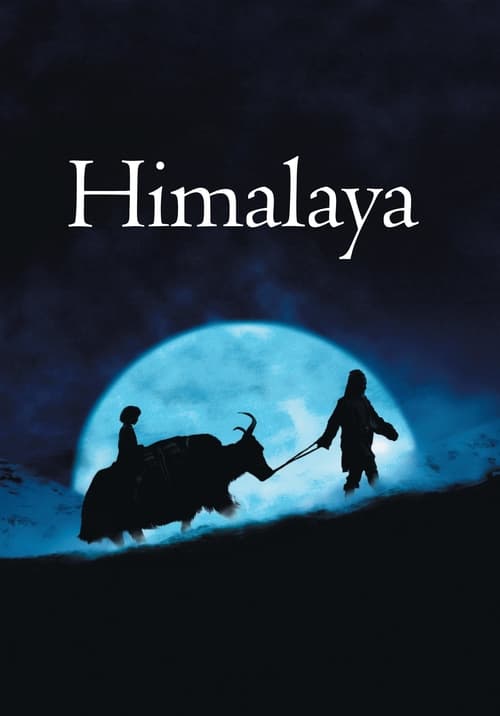




Popular
How does the film depict the theme of tradition versus modernity through its characters?
What motivates the character of Norbu in the film Himalaya?
How does the relationship between Norbu and the elder leader, Tinle, evolve throughout the film?
What role does the harsh Himalayan landscape play in the characters' journeys?
What is the significance of the salt caravan in the story?
Should I watch it?
Ask Your Own Question

What is the plot?
Sorry, we aren't able to watch and write up a full detailed plot yet. Check back in a few days.







What is the ending?
In the ending of the movie "Himalaya," the villagers successfully complete their journey to transport the yaks across the treacherous mountain pass. The film concludes with a sense of unity and respect among the villagers, as they honor the memory of their deceased leader, and the new leader, Karma, emerges with a deeper understanding of his responsibilities.
As the film draws to a close, the villagers gather to pay tribute to the fallen leader, and the harsh realities of their lives in the Himalayas are underscored by the beauty of the landscape and the strength of their community.
Now, let's delve into the ending in a more detailed narrative fashion:
The final scenes unfold against the breathtaking backdrop of the Himalayas, where the sun begins to set, casting a golden hue over the snow-capped peaks. The villagers, weary yet resolute, gather at the base of the mountain after their arduous journey. They have successfully transported the yaks, a task that had seemed insurmountable at the beginning of their expedition. The air is thick with a mix of exhaustion and triumph, as they reflect on the challenges they faced together.
Karma, who has taken on the mantle of leadership following the death of his father, stands at the forefront of the group. His face is etched with the weight of responsibility, but there is also a glimmer of newfound strength in his eyes. He looks around at the faces of his fellow villagers, each one marked by the trials they have endured. The bond between them has deepened, forged in the fires of adversity.
As they prepare to honor the memory of the deceased leader, the villagers gather in a circle, their expressions somber yet proud. They begin to chant, their voices rising in a haunting melody that echoes through the mountains. This ritual is not just a farewell; it is a celebration of their shared history and the legacy of leadership that has been passed down through generations. The camera captures the raw emotion on their faces, the tears mingling with smiles as they remember the strength and wisdom of the man who led them.
Karma steps forward, his heart heavy with grief but also filled with a sense of purpose. He speaks to the villagers, acknowledging the sacrifices made and the lessons learned throughout their journey. His voice trembles with emotion as he vows to honor his father's legacy by leading with compassion and strength. The villagers listen intently, their eyes reflecting a mixture of hope and trust in their new leader.
As the ceremony concludes, the villagers begin to disperse, but not before sharing a moment of connection with one another. They embrace, their laughter mingling with the wind, a testament to their resilience and unity. The camera pans out, revealing the vastness of the Himalayas, a reminder of the challenges that lie ahead but also of the beauty that surrounds them.
In the final moments, Karma stands alone for a brief moment, gazing at the mountains that have shaped his life. He takes a deep breath, feeling the weight of his responsibilities but also the strength of his community behind him. The film ends with a sense of hope, as the villagers walk back to their homes, ready to face whatever challenges the future may hold, united in their shared journey.
The fates of the main characters are intertwined with this sense of community and resilience. Karma emerges as a leader who has learned from the past, ready to guide his people with a deeper understanding of their struggles. The villagers, having faced their fears and losses, return to their lives with a renewed sense of purpose and connection to one another. The film closes on a note of solidarity, emphasizing the importance of community in the face of adversity.
Is there a post-credit scene?
The movie "Himalaya," produced in 1999, does not have a post-credit scene. The film concludes with a poignant ending that encapsulates the themes of tradition, conflict, and the harsh realities of life in the Himalayas. The story focuses on the journey of a group of villagers as they navigate the challenges of their environment and their relationships with one another, particularly highlighting the tension between the old ways and the new. The film ends on a reflective note, leaving the audience with a sense of closure regarding the characters' arcs and the struggles they face, without any additional scenes after the credits.
How does the film depict the theme of tradition versus modernity through its characters?
The film illustrates the tension between tradition and modernity primarily through the characters of Norbu and Tinle. Norbu embodies the push for change and progress, seeking new ways to lead and innovate, while Tinle represents the wisdom of the past, emphasizing the importance of tradition and community. Their interactions and conflicts highlight the struggle to balance respect for ancestral customs with the need to adapt to a changing world.
What motivates the character of Norbu in the film Himalaya?
Norbu, a young and ambitious villager, is driven by a deep desire to prove himself and gain respect within his community. He is determined to lead a caravan to the salt mines, which is a traditional and vital journey for his people. His motivation is further fueled by the need to honor his deceased father, who was a respected leader, and to establish his own identity in a world that is rapidly changing.
How does the relationship between Norbu and the elder leader, Tinle, evolve throughout the film?
Initially, Norbu and Tinle have a strained relationship, as Tinle represents the old ways and traditions that Norbu is eager to move beyond. Tinle, on the other hand, is wary of Norbu's ambition and the potential dangers of the journey. As the story progresses, their relationship deepens through shared challenges and hardships, leading to mutual respect. Tinle comes to see Norbu's potential as a leader, while Norbu learns the value of tradition and wisdom.
What role does the harsh Himalayan landscape play in the characters' journeys?
The Himalayan landscape is not just a backdrop but a formidable character in itself, shaping the physical and emotional journeys of the characters. The treacherous terrain, extreme weather conditions, and isolation challenge the caravan's resolve and test their endurance. The beauty and danger of the mountains reflect the internal struggles of the characters, particularly Norbu, as he confronts his fears and aspirations amidst the unforgiving environment.
What is the significance of the salt caravan in the story?
The salt caravan serves as a crucial plot device that symbolizes the lifeblood of the community and the connection between the villagers and their environment. It represents not only a means of survival but also a rite of passage for the characters, particularly for Norbu. The journey to the salt mines is fraught with danger and challenges, ultimately leading to personal growth and transformation for the characters involved, as they confront both external obstacles and their internal conflicts.
Is this family friendly?
The movie "Himalaya," directed by Éric Valli, is set in the rugged landscape of the Himalayas and revolves around the lives of a group of Tibetan villagers. While it is a visually stunning film that explores themes of tradition, conflict, and the harsh realities of life in a remote region, there are several aspects that may be considered objectionable or upsetting for children or sensitive viewers:
-
Death and Grief: The film deals with themes of loss, including the death of a character, which is portrayed with emotional weight and may be distressing for younger audiences.
-
Violence and Conflict: There are scenes that depict conflict between characters, including moments of aggression and tension that may be unsettling.
-
Harsh Living Conditions: The portrayal of the villagers' struggles against the elements and the challenges of their environment can be intense, showcasing the harsh realities of life in the mountains.
-
Cultural Practices: Some cultural rituals and practices may be unfamiliar or uncomfortable for viewers, particularly those involving animal sacrifice, which is depicted in a respectful but stark manner.
-
Emotional Turmoil: Characters experience significant emotional struggles, including jealousy, rivalry, and the burden of leadership, which may resonate deeply and evoke strong feelings.
Overall, while "Himalaya" is a beautifully crafted film with rich storytelling, its themes and scenes may not be suitable for very young children or those sensitive to emotional or violent content.







