




Popular
How does Lila's relationship with her family influence her decisions throughout the film?
What motivates the main character, a young woman named Lila, to seek out the artificial paradise?
What role does the character of Marco play in Lila's journey to the artificial paradise?
What challenges does Lila face once she arrives at the artificial paradise?
How does the concept of artificiality manifest in the relationships Lila forms in the paradise?
Should I watch it?
Ask Your Own Question

What is the plot?
Sorry, we aren't able to watch and write up a full detailed plot yet. Check back in a few days.






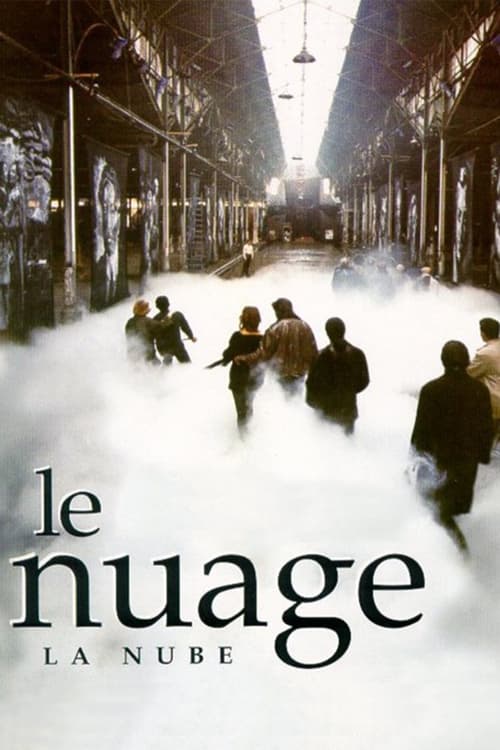

What is the ending?
In the ending of "Artificial Paradise," the main character, a young woman named Lila, confronts the reality of her choices and the consequences of her actions. She ultimately decides to leave the artificial paradise she has been living in, seeking a more authentic existence. The film concludes with her stepping into the unknown, symbolizing her desire for freedom and self-discovery.
As the film approaches its conclusion, the atmosphere is thick with tension and introspection. Lila, who has been living in a manufactured world designed to provide comfort and pleasure, begins to feel the weight of her discontent. The artificial paradise, once a source of joy, now feels suffocating and hollow.
Scene by scene, the narrative unfolds:
In the first scene of the ending, Lila stands in her lavish apartment, surrounded by the opulence of her artificial life. The walls, adorned with digital art and the soft glow of ambient lighting, contrast sharply with the turmoil brewing within her. She gazes out of the window, watching the world outside--a world that feels distant and unattainable. Her reflection in the glass reveals a woman torn between the comfort of her current life and the yearning for something real.
The next scene shifts to a confrontation with her partner, who embodies the very essence of the artificial paradise. He is charming and attentive, but Lila can no longer ignore the emptiness in their relationship. They engage in a heated discussion, where Lila expresses her dissatisfaction and longing for authenticity. Her partner, unable to comprehend her feelings, tries to reassure her with promises of happiness and stability. However, Lila's heart is set on breaking free from the constraints of their life together.
In the following scene, Lila visits a place that symbolizes her past--a vibrant, bustling market filled with real people and genuine interactions. The sights and sounds overwhelm her senses, igniting a spark of hope and nostalgia. She watches families interact, friends laugh, and strangers connect, and for the first time in a long while, she feels alive. This experience solidifies her resolve to leave the artificial paradise behind.
The climax of the film occurs when Lila makes her final decision. She returns to her apartment, where her partner awaits, oblivious to the storm brewing within her. In a poignant moment, Lila gathers her belongings, her hands trembling with a mix of fear and exhilaration. She tells her partner that she can no longer live in a world that feels fake. The emotional weight of her words hangs in the air, and for a brief moment, he tries to persuade her to stay, but Lila's mind is made up.
In the final scene, Lila steps out of the apartment and into the unknown. The door closes behind her with a definitive thud, symbolizing her departure from the artificial life she once embraced. As she walks down the street, the camera captures her face--a mixture of determination and vulnerability. The world around her is vibrant and chaotic, but it is real. The film ends with Lila walking away from the camera, her silhouette gradually fading into the bustling life of the city, representing her journey toward self-discovery and authenticity.
The fates of the main characters are starkly different. Lila embarks on a path of uncertainty, seeking a life filled with genuine experiences. Her partner, left behind in the artificial paradise, remains trapped in a cycle of superficiality, unable to grasp the depth of Lila's transformation. The ending encapsulates the film's exploration of identity, choice, and the quest for a meaningful existence.
Is there a post-credit scene?
The movie "Artificial Paradise," produced in 1999, does not feature a post-credit scene. The film concludes its narrative without any additional scenes or content after the credits roll. The story wraps up with a focus on the emotional and psychological journeys of the characters, leaving the audience to reflect on the themes presented throughout the film.
How does Lila's relationship with her family influence her decisions throughout the film?
Lila's strained relationship with her family, particularly her overbearing mother, creates a sense of isolation and rebellion within her. This dynamic pushes her to seek solace in the artificial paradise, as she feels misunderstood and unsupported in her quest for identity.
What motivates the main character, a young woman named Lila, to seek out the artificial paradise?
Lila is driven by a deep sense of dissatisfaction with her mundane life and a yearning for something more fulfilling. She feels trapped in her routine and is searching for a place where she can escape her reality and find true happiness.
What role does the character of Marco play in Lila's journey to the artificial paradise?
Marco serves as both a guide and a catalyst for Lila's journey. He introduces her to the concept of the artificial paradise and embodies the allure of freedom and adventure. His charm and charisma draw Lila in, but his own struggles with reality complicate their relationship.
What challenges does Lila face once she arrives at the artificial paradise?
Upon arriving at the artificial paradise, Lila encounters a series of challenges that test her expectations versus reality. She faces disillusionment as the paradise reveals its darker underbelly, including manipulation and the superficiality of the experiences offered, forcing her to confront her own desires and the cost of her escape.
How does the concept of artificiality manifest in the relationships Lila forms in the paradise?
In the artificial paradise, Lila's relationships are often superficial and based on illusion rather than genuine connection. The characters she meets, including Marco, embody the theme of artificiality, as their interactions are influenced by the constructed environment, leading Lila to question the authenticity of her feelings and the nature of her connections.
Is this family friendly?
"Artificial Paradise," produced in 1999, is not considered family-friendly due to several potentially objectionable or upsetting scenes. Here are some aspects that may be concerning for children or sensitive viewers:
-
Mature Themes: The film explores complex adult themes such as existentialism, the nature of reality, and the impact of technology on human relationships, which may be difficult for younger audiences to grasp.
-
Violence: There are scenes that depict violence or aggressive behavior, which could be distressing for sensitive viewers.
-
Emotional Turmoil: Characters experience significant emotional struggles, including despair, loneliness, and existential crises, which may be heavy for younger audiences.
-
Intense Situations: The film contains moments of tension and conflict that could be unsettling, particularly for children.
-
Mature Language: There may be instances of strong language or adult conversations that are not suitable for younger viewers.
These elements contribute to a viewing experience that may not be appropriate for children or those who are sensitive to such themes.







