


































Loading additional questions...
Popular
What is the significance of the character Eurydice in Orfeu's life?
How does Orfeu's relationship with his mother influence his actions?
What role does the character of Death play in the story?
How does the setting of Rio de Janeiro impact the story of Orfeu?
What is the significance of music in Orfeu's journey?
Should I watch it?
Ask Your Own Question

What is the plot?
More Movies Like This
Browse All Movies →




What is the ending?
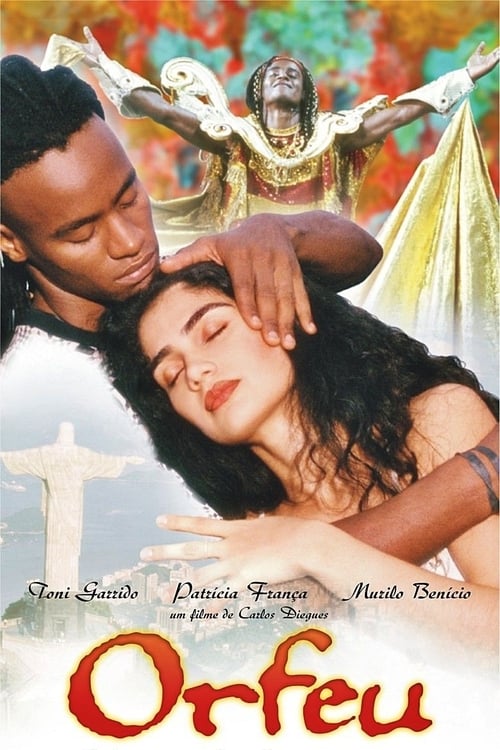
In the ending of "Orfeu," Orfeu, consumed by grief and despair after the death of Eurídice, ultimately meets his tragic fate. He descends into the underworld, symbolizing his inability to escape the pain of loss. The film concludes with a poignant sense of love and loss, as the cycle of life and death is poignantly illustrated.
As the final scenes unfold, we see Orfeu, now deeply affected by the tragic events that have transpired. He wanders through the vibrant streets of Rio de Janeiro, the sounds of samba and the energy of Carnival contrasting sharply with his internal turmoil. The joyous atmosphere around him feels alien, as he grapples with the haunting memory of Eurídice, who has been taken from him.
In a moment of desperation, Orfeu seeks out the mystical figure of Death, portrayed as a beautiful woman. He is drawn to her, believing that by confronting her, he can reclaim Eurídice. This encounter is charged with emotion; Orfeu's longing for his lost love is palpable, and the tension between life and death hangs heavily in the air. He pleads with Death, expressing his desire to be reunited with Eurídice, showcasing his profound love and the depth of his sorrow.
As the scene progresses, Orfeu's determination leads him to a climactic moment where he must make a choice. He is faced with the reality of his situation: to accept the loss of Eurídice and continue living, or to surrender to the darkness that beckons him. The vibrant colors of the Carnival around him serve as a stark contrast to his internal struggle, emphasizing the theme of life continuing amidst personal tragedy.
In a heart-wrenching decision, Orfeu chooses to follow Death, symbolizing his inability to cope with the pain of losing Eurídice. He steps into the shadows, leaving behind the world of the living. The camera captures his final moments, filled with a mix of resignation and longing, as he disappears from the vibrant streets of Rio, a poignant reminder of the fragility of life and love.
The film concludes with a haunting image of Eurídice, her spirit lingering in the air, suggesting that love transcends even death. The final scenes resonate with the themes of love, loss, and the cyclical nature of life, leaving the audience with a profound sense of the characters' fates. Orfeu's tragic end serves as a powerful testament to the depths of human emotion and the enduring impact of love, even in the face of insurmountable grief.
Is there a post-credit scene?
The movie "Orfeu," produced in 1999, does not have a post-credit scene. The film concludes with a powerful and emotional ending that encapsulates the themes of love, loss, and the intertwining of life and death, reflecting the tragic elements of the Orpheus myth. After the climactic events, the film leaves the audience with a poignant sense of closure, focusing on the characters' journeys rather than extending the narrative further with additional scenes.
What is the significance of the character Eurydice in Orfeu's life?
Eurydice is a pivotal character in Orfeu's life, representing both love and tragedy. Her arrival in the vibrant world of Rio de Janeiro captivates Orfeu, who is a talented musician. Eurydice's innocence and beauty draw him in, igniting a passionate romance that serves as the emotional core of the film. However, her character also embodies the theme of fate, as her tragic end mirrors the mythological origins of Orpheus and Eurydice, creating a sense of inevitable loss that haunts Orfeu throughout the story.
How does Orfeu's relationship with his mother influence his actions?
Orfeu's relationship with his mother is complex and deeply emotional. She is a protective figure who fears for his safety, especially as he becomes more involved with Eurydice. Her warnings about the dangers of love and the world around them reflect her desire to shield him from pain. This maternal bond drives Orfeu's internal conflict; he is torn between his passion for Eurydice and his obligation to his mother, which ultimately influences his decisions and adds layers to his character's motivations.
What role does the character of Death play in the story?
Death is personified in the film as a haunting presence that follows Orfeu and Eurydice. This character serves as a reminder of the fragility of life and love, often appearing at critical moments to foreshadow tragedy. Death's interactions with Orfeu highlight his struggles against fate and the inevitability of loss, creating a tension that permeates the narrative. This character embodies the mythological elements of the story, reinforcing the themes of love, sacrifice, and the consequences of defying destiny.
How does the setting of Rio de Janeiro impact the story of Orfeu?
The vibrant setting of Rio de Janeiro plays a crucial role in shaping the narrative of Orfeu. The city's lively atmosphere, filled with music, dance, and the spirit of Carnival, serves as a backdrop for Orfeu's passionate romance with Eurydice. The contrasting elements of beauty and danger in the city reflect the duality of their love story, as the festive environment also harbors underlying threats. The rich cultural landscape enhances the emotional stakes, making the characters' experiences more vivid and impactful.
What is the significance of music in Orfeu's journey?
Music is central to Orfeu's identity and serves as a powerful narrative device throughout the film. As a gifted musician, Orfeu uses music to express his emotions, connect with Eurydice, and navigate the challenges he faces. The rhythms of samba and the sounds of the city become a reflection of his inner turmoil and joy. Music also acts as a bridge between characters, uniting them in moments of celebration and sorrow. Ultimately, it underscores the themes of love and loss, illustrating how art can both elevate and haunt the human experience.
Is this family friendly?
The movie "Orfeu," produced in 1999, is a modern retelling of the classic Orpheus myth set against the backdrop of Rio de Janeiro during Carnival. While it is visually stunning and rich in cultural elements, there are several aspects that may be considered objectionable or upsetting for children or sensitive viewers:
-
Violence: The film includes scenes of street violence and gang confrontations, which may be intense and unsettling.
-
Death: Themes of mortality and loss are central to the story, with characters facing tragic fates that could be distressing.
-
Romantic Tension: There are romantic entanglements that involve jealousy and betrayal, which may be complex for younger viewers to understand.
-
Cultural References: Some cultural elements, including depictions of poverty and social issues, may be heavy and require a mature perspective to fully grasp.
-
Emotional Turmoil: Characters experience deep emotional struggles, including grief and despair, which could be overwhelming for sensitive audiences.
Overall, while "Orfeu" is a visually captivating film, its themes and content may not be suitable for all children or sensitive viewers.







