







































Popular
What challenges does Carla face when she returns home after graduating from a special school?
How does Carla's relationship with Daniel develop throughout the film?
What role does Carla's family play in her journey towards independence?
What pivotal moment leads Carla to assert her independence from her family?
How does the film portray the theme of love and acceptance through Carla and Daniel's relationship?
Should I watch it?
Ask Your Own Question

What is the plot?
Sorry, we aren't able to watch and write up a full detailed plot yet. Check back in a few days.









What is the ending?
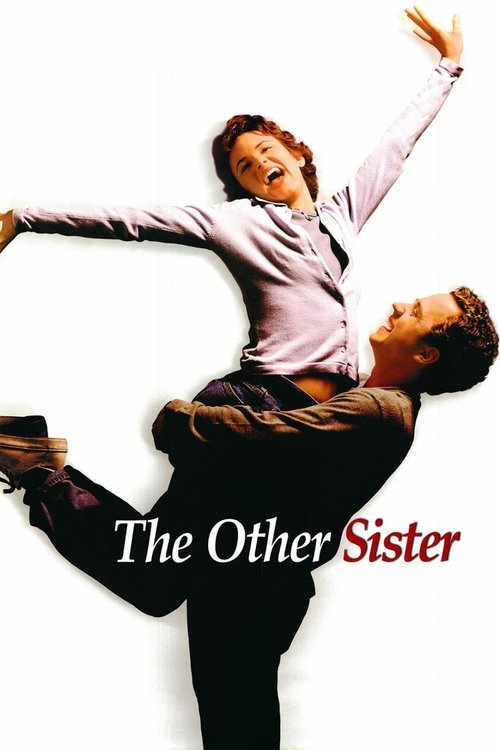
In the ending of "The Other Sister," Carla, after overcoming various challenges and proving her independence, marries Daniel. Their wedding is a celebration of love and acceptance, showcasing the growth of Carla and her family. The film concludes with a sense of hope and fulfillment as Carla embraces her new life.
As the film approaches its conclusion, we find ourselves at the wedding of Carla and Daniel. The scene is set in a beautifully decorated venue, filled with flowers and soft lighting, creating an atmosphere of joy and celebration. Carla, dressed in a stunning white wedding gown, radiates happiness. Her family, particularly her mother, Elizabeth, is present, albeit with mixed emotions. Elizabeth has struggled throughout the film with her perceptions of Carla's capabilities, but as she watches her daughter prepare to marry, there is a visible shift in her demeanor.
The ceremony begins, and the guests are filled with warmth and excitement. Daniel stands at the altar, his eyes filled with love and admiration for Carla. As she walks down the aisle, the camera captures the pride and joy on her face, reflecting her journey of self-discovery and independence. The music swells, enhancing the emotional weight of the moment. Carla's father, who has been supportive throughout her struggles, stands proudly beside her, symbolizing the acceptance and love that has grown within the family.
During the vows, Carla speaks with sincerity and confidence, expressing her love for Daniel and her commitment to their future together. Daniel reciprocates with heartfelt words, emphasizing their bond and the strength they find in each other. The audience is visibly moved, and there are tears of joy among family and friends.
As they exchange rings, the scene captures the essence of their relationship--one built on mutual respect and understanding. The officiant pronounces them husband and wife, and the couple shares a passionate kiss, sealing their commitment. The guests erupt in applause, celebrating this moment of triumph for Carla, who has fought against societal expectations and personal challenges to reach this point.
Following the ceremony, the reception is filled with laughter, dancing, and heartfelt toasts. Carla's sister, who has often been critical of her, delivers a touching speech that acknowledges Carla's strength and resilience. This moment signifies a turning point in their relationship, as the sister recognizes the depth of Carla's character and the love she has for her family.
As the night progresses, Carla and Daniel share their first dance as a married couple. The camera focuses on their faces, capturing the joy and love that radiates between them. They are surrounded by friends and family, who celebrate not just their union but also Carla's journey toward independence and self-acceptance.
In the final moments of the film, we see Carla and Daniel leaving the reception, hand in hand, ready to embark on their new life together. The scene fades out with a sense of hope and fulfillment, emphasizing the film's themes of love, acceptance, and the importance of believing in oneself.
In summary, Carla finds her place in the world, marrying Daniel and gaining the acceptance of her family, particularly her mother. Daniel remains a steadfast partner, supporting Carla's journey. The film concludes on a note of optimism, highlighting the power of love and the importance of embracing one's true self.
Is there a post-credit scene?
The movie "The Other Sister," produced in 1999, does not have a post-credit scene. The film concludes with a heartfelt resolution to the story, focusing on the characters' growth and relationships. After the final scenes, the credits roll without any additional content or scenes following them. The narrative wraps up the journey of the main character, Carla Tate, and her pursuit of independence and love, leaving the audience with a sense of closure.
What challenges does Carla face when she returns home after graduating from a special school?
Carla, played by Juliette Lewis, faces several challenges upon returning home after graduating from a special school for individuals with disabilities. She struggles with her family's expectations, particularly from her overbearing mother, who is overly protective and doubts Carla's independence. Carla's desire for autonomy clashes with her mother's controlling nature, leading to emotional confrontations. Additionally, she grapples with societal perceptions of her disability, as she seeks to prove her capabilities and pursue her own life choices.
How does Carla's relationship with Daniel develop throughout the film?
Carla's relationship with Daniel, portrayed by Giovanni Ribisi, begins when they meet at a local college. Initially, they bond over their shared experiences of feeling misunderstood and marginalized due to their disabilities. As they navigate their relationship, they face external challenges, including disapproval from Carla's family and societal stigma. Their love story is marked by moments of tenderness and conflict, as they both strive for independence while supporting each other. Daniel's unwavering belief in Carla's abilities helps her gain confidence, and their relationship ultimately becomes a source of strength for both characters.
What role does Carla's family play in her journey towards independence?
Carla's family, particularly her mother, plays a significant role in her journey towards independence. Her mother, played by Diane Keaton, embodies the archetype of a protective parent who struggles to let go. She often undermines Carla's efforts to assert her independence, leading to tension and conflict. Carla's father, on the other hand, is more supportive but often caught in the middle of the family dynamics. The family's reactions to Carla's choices, including her relationship with Daniel, highlight the challenges she faces in breaking free from their expectations and asserting her own identity.
What pivotal moment leads Carla to assert her independence from her family?
A pivotal moment that leads Carla to assert her independence occurs during a confrontation with her mother. After a series of escalating tensions regarding her relationship with Daniel and her desire to live on her own, Carla finally stands up to her mother, expressing her frustration and need for autonomy. This emotional outburst is a turning point for Carla, as she realizes that she must take control of her own life, regardless of her family's opinions. This moment of defiance empowers her to make choices that align with her desires, marking a significant step in her journey towards self-actualization.
How does the film portray the theme of love and acceptance through Carla and Daniel's relationship?
The film portrays the theme of love and acceptance through Carla and Daniel's relationship by showcasing their deep emotional connection and mutual understanding. Both characters face societal challenges due to their disabilities, which creates a bond that transcends typical romantic relationships. Their love is depicted as genuine and supportive, with Daniel encouraging Carla to embrace her individuality and pursue her dreams. The film emphasizes that true love involves acceptance of each other's flaws and strengths, and through their relationship, both Carla and Daniel learn to navigate the complexities of life together, ultimately finding strength in their love.
Is this family friendly?
"The Other Sister," produced in 1999, is a romantic comedy-drama that explores themes of family dynamics, independence, and personal growth. While the film has a heartwarming core, there are several elements that may be considered objectionable or upsetting for children or sensitive viewers:
-
Mental Health Themes: The film features a character with a developmental disability, which may lead to discussions about mental health and societal perceptions that could be challenging for younger audiences to understand.
-
Family Conflict: There are scenes depicting tension and conflict within the family, particularly between the main character, Carla, and her overbearing mother. This may evoke feelings of discomfort or sadness.
-
Romantic Relationships: The film includes romantic elements that may involve discussions of intimacy and relationships, which could be inappropriate for younger viewers.
-
Emotional Struggles: Characters experience moments of frustration, disappointment, and emotional turmoil, which may resonate deeply and could be upsetting for sensitive individuals.
-
Social Challenges: Carla faces bullying and social exclusion, which may be distressing for viewers who have experienced similar situations.
Overall, while "The Other Sister" has positive messages about acceptance and love, it also contains themes and scenes that may require parental guidance for younger audiences.







