
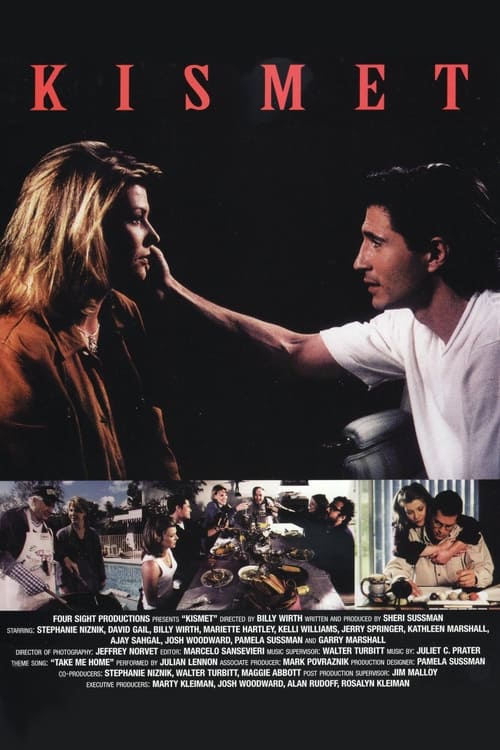









Popular
What is the significance of the character named Kismet in the story?
How does the relationship between Kismet and her father evolve throughout the film?
What role does the setting play in Kismet's journey?
How do the supporting characters influence Kismet's decisions?
What are the key turning points in Kismet's character development?
Should I watch it?
Ask Your Own Question

What is the plot?
Sorry, we aren't able to watch and write up a full detailed plot yet. Check back in a few days.









What is the ending?
In the ending of the movie "Kismet," the main characters face the consequences of their choices. The story culminates in a dramatic confrontation that leads to a resolution of their conflicts, ultimately revealing the intertwining fates of the characters.
As the film progresses towards its conclusion, we find ourselves in a tense atmosphere filled with anticipation. The protagonist, a man named Haji, has been navigating a world filled with deception and ambition. He is determined to secure a better future for himself and his daughter, but his journey has been fraught with challenges.
In the final scenes, Haji confronts the antagonist, a powerful figure who has been manipulating events from the shadows. The confrontation is charged with emotion, as Haji's desperation to protect his daughter and achieve his dreams comes to a head. The stakes are high, and the tension is palpable as the two men face off, each representing different paths and ideologies.
As the climax unfolds, Haji's resolve is tested. He must make a choice that will not only affect his own fate but also that of his daughter and the people around him. The resolution of this conflict leads to a moment of clarity for Haji, where he realizes the importance of integrity and the impact of his decisions.
In the aftermath of the confrontation, Haji emerges changed. He has faced his fears and made sacrifices for the sake of his daughter. The film closes with a sense of hope, as Haji and his daughter look towards a future that, while uncertain, is filled with possibilities. The final moments emphasize the themes of destiny and the interconnectedness of their lives, leaving the audience with a poignant reminder of the power of choice and the bonds of family.
Now, let's delve deeper into the ending, scene by scene.
The climax begins in a dimly lit room, where Haji stands face-to-face with the antagonist. The air is thick with tension, and the stakes are clear. Haji's heart races as he recalls the sacrifices he has made for his daughter, who has been his guiding light throughout his struggles. The antagonist, a man of wealth and influence, smirks, confident in his power. Haji, however, is fueled by a fierce determination to protect his daughter and reclaim his dignity.
As they exchange heated words, Haji's internal conflict is evident. He grapples with the fear of failure and the desire to rise above the circumstances that have held him back. The antagonist taunts him, reminding him of the choices he has made and the consequences that have followed. Haji's fists clench, and he feels the weight of his past decisions pressing down on him.
In a pivotal moment, Haji makes a stand. He refuses to be a pawn in the antagonist's game any longer. The confrontation escalates, and the tension reaches a boiling point. Haji's voice rises, filled with emotion as he declares his intentions to fight for his daughter's future. The antagonist, taken aback by Haji's newfound resolve, attempts to regain control of the situation, but Haji's determination is unwavering.
The scene shifts to Haji's daughter, who is anxiously waiting outside, unaware of the turmoil unfolding within. Her innocence contrasts sharply with the darkness of the confrontation. Haji's thoughts drift to her, and he realizes that his fight is not just for himself but for her future. This realization strengthens his resolve, and he pushes back against the antagonist with renewed vigor.
As the confrontation reaches its climax, Haji's actions lead to a turning point. He outsmarts the antagonist, using his wit and resourcefulness to turn the tables. The antagonist, realizing he has underestimated Haji, becomes desperate. In a final attempt to regain control, he makes a reckless move that ultimately backfires.
The resolution comes swiftly. Haji stands victorious, but the victory is bittersweet. He has faced his demons and emerged stronger, but the cost has been high. The antagonist is left defeated, a shadow of his former self, while Haji is left to grapple with the consequences of their clash.
In the final scenes, Haji reunites with his daughter. The emotional weight of their journey hangs in the air as they embrace. Haji's eyes reflect a mixture of relief and determination. He knows that the road ahead will not be easy, but he is ready to face it with his daughter by his side. They walk away from the confrontation, hand in hand, stepping into an uncertain future that is nonetheless filled with hope.
The film concludes with a poignant reminder of the power of choice and the bonds of family. Haji's journey has taught him that while destiny may play a role in their lives, it is ultimately their choices that shape their future. The screen fades to black, leaving the audience with a sense of closure and the enduring message that even in the face of adversity, love and determination can lead to a brighter tomorrow.
Is there a post-credit scene?
The movie "Kismet," produced in 1999, does not have a post-credit scene. The film concludes its narrative without any additional scenes or content after the credits roll. The story wraps up with the resolution of the main plot, focusing on the characters' journeys and their emotional arcs, leaving no further developments or surprises for the audience after the credits.
What is the significance of the character named Kismet in the story?
Kismet is a pivotal character in the film, representing fate and destiny. Her journey intertwines with the lives of other characters, showcasing how their paths are influenced by her presence. Kismet's decisions often reflect her internal struggle between following her heart and adhering to societal expectations.
How does the relationship between Kismet and her father evolve throughout the film?
Kismet's relationship with her father is complex and evolves significantly. Initially, there is tension due to his traditional views and her desire for independence. As the story progresses, moments of vulnerability reveal their deep bond, leading to a reconciliation that highlights themes of understanding and acceptance.
What role does the setting play in Kismet's journey?
The setting is crucial to Kismet's journey, as it reflects her internal conflicts and aspirations. The vibrant cityscape contrasts with her personal struggles, while intimate locations serve as backdrops for key emotional moments, emphasizing her quest for identity and belonging.
How do the supporting characters influence Kismet's decisions?
Supporting characters play significant roles in shaping Kismet's choices. Friends and mentors provide guidance and challenge her perspectives, while antagonistic figures represent societal pressures. Their interactions create a dynamic that forces Kismet to confront her values and ultimately define her path.
What are the key turning points in Kismet's character development?
Key turning points in Kismet's character development include her moments of defiance against her father's expectations, her encounters with love that challenge her beliefs, and her realizations about her own desires. Each turning point is marked by emotional turmoil, leading to her growth and self-discovery.
Is this family friendly?
"Kismet," produced in 1999, is a musical film that features a blend of romance, adventure, and fantasy. While it is generally suitable for family viewing, there are a few elements that might be considered objectionable or upsetting for children or sensitive viewers:
-
Romantic Themes: The film explores themes of love and desire, which may include some romantic tension that could be confusing for younger audiences.
-
Conflict and Tension: There are scenes that depict conflict between characters, including misunderstandings and confrontations that may evoke feelings of anxiety or distress.
-
Dramatic Moments: Certain scenes may involve emotional turmoil or distress, particularly related to the characters' struggles and aspirations, which could be intense for sensitive viewers.
-
Fantasy Elements: The film includes fantastical elements that may be frightening to some children, such as magical transformations or dramatic visual effects.
-
Cultural References: Some cultural references and themes may not be fully understood by younger audiences, potentially leading to confusion.
Overall, while "Kismet" is a musical with vibrant visuals and engaging performances, parents may want to consider these aspects when deciding if it is appropriate for their children.









