














Popular
What is the significance of the book that Lena finds in the library?
How does Ethan's relationship with Lena evolve throughout the film?
What role does Macon Ravenwood play in Lena's life?
What are the consequences of Lena's choice on her 16th birthday?
How does the town of Gatlin react to Lena and Ethan's relationship?
Should I watch it?
Ask Your Own Question

What is the plot?
Dorothy storms out of her rundown house in present-day Glasgow, her face flushed with rage after enduring one more round of Tony's depraved antics. Her heroin-addict boyfriend, Tony, has pawned his prized golf clubs for drug money, boiled her brassiere in a pot until it shriveled, dyed her beloved dog Pluto bright pink in a fit of petty vengeance, and stolen every last pound from her purse. The air inside their home reeks of boiled fabric and desperation, the pink-tinted Pluto whimpering in the corner as Dorothy grabs her bag and flees, her heart pounding with a mix of fury and liberation. She heads straight for the bus station, determined to escape this toxic life for London, Pluto trotting loyally behind her on his mismatched leash.
At the bustling bus station under the gray Scottish sky, Dorothy pauses, her escape interrupted by a brutal scene unfolding nearby. Petula, a fragile young woman with blonde hair matted from struggle, cowers as her violent boyfriend Brian towers over her, his fists raining down in a savage beating. "I'm gonna kill you!" Brian snarls, his face twisted in alcoholic rage, choking her against the cold pavement. Dorothy's blood boils--echoes of her own abuse flashing before her eyes. Without hesitation, she snatches a heavy metal pipe from a nearby construction pile and swings it with all her might, slamming it into the back of Brian's head. The crack echoes sharply; Brian crumples unconscious, blood trickling from his scalp. Petula gasps, her eyes wide with shock and gratitude as the two strangers lock gazes, an instant bond forming in the chaos. "Come on, love, let's get him out of here," Dorothy mutters, and together they drag Brian's limp, heavy body through the streets to Petula's cramped apartment, Pluto nipping at their heels.
Inside Petula's dimly lit flat, the women dump Brian's unconscious form into the bathtub, his snores ragged from the booze and the blow. Exhausted, they collapse on the threadbare sofa, lighting a joint to steady their nerves. Smoke curls lazily through the air as they open up, Dorothy's tough Glaswegian accent cutting through the haze. "You just get sick listening to all that 'gonna [bleeping] kill you' stuff," she says, passing the joint to Petula, who nods shakily, revealing she works for Brian's wealthy brother, Ronnie--a psychotic rich man who rules the local underworld. They laugh nervously, Dorothy even giving Petula a makeshift haircut with kitchen scissors, the scissors snipping away strands as tension eases into unlikely camaraderie. But a sudden crash from the bathroom shatters the moment. They rush in, hearts slamming, to find Brian sprawled on the tiles, lifeless--his skull fractured from Dorothy's pipe strike, blood pooling around his head. Brian is dead, the first casualty of their impulsive heroism, caused solely by Dorothy's pipe to his head at the bus station.
Panic surges like a tidal wave. Dorothy, no stranger to trouble, paces the grimy floor. "Technically, I've murdered him. I go to work, you pretend he vanished while you slept." Petula, trembling, agrees--they can't call the police. Desperation sparks genius: fake a kidnapping. They sever one of Brian's cold fingers with a kitchen knife, the wet snap turning their stomachs, wrap it in paper with a crude ransom note, and send it anonymously to Ronnie. Petula calls in sick to her job, then reports Brian missing to her boss, her voice quivering over the phone as Ronnie's fury builds on the other end.
The scheme ignites. Petula fields a visit from Inspector Hepburn, a squat, corrupt detective with shifty eyes and a greasy smile, assigned to investigate Brian's disappearance. He probes her relentlessly in her apartment, noting her nerves. Soon after, the ransom package arrives at Ronnie's lavish office--Brian's finger and a demand for one million pounds. Hepburn, eavesdropping, takes charge, instructing Petula to call the number on the note using Brian's mobile phone, which Dorothy had pocketed. Dorothy answers from a payphone, her voice disguised in a gravelly whisper: "Name your price for the lad's return." Petula, under Hepburn's glare, stammers £1 million. But Hepburn, sensing opportunity, lies to Ronnie, inflating the demand to £2 million, his corrupt mind already plotting to skim the difference. Ronnie, a hulking psychopath with a volatile temper, agrees, his face a mask of rage and grief as he wires the funds.
Tension mounts as the women execute their plan from Petula's apartment, whispering strategies over cups of tea, Pluto's pink fur a absurd reminder of normalcy. But cracks appear. Dorothy slips back to her house to grab supplies, only to find Tony swaying on the balcony, eyes hollow from withdrawal, his junkie frame trembling violently. "Give us the gear, Dorothy!" he bellows, lunging inside. Chaos erupts--Tony smashes furniture, his threats echoing the abuse that drove her away. Dorothy grabs a commando knife from a drawer, brandishing it fiercely. "Back off, you bastard!" Tony retreats momentarily, begging for his drug works hidden in the pawned golf bag. He rummages inside and pulls out not just needles, but a loaded gun, his face lighting up with menace. The tables turn brutally; at gunpoint, Tony forces Dorothy to inject him with heroin from the stash, the needle piercing skin amid her curses. He demands she shoot up too, laughing maniacally. But Petula bursts in, having followed, and the women fight back savagely--Petula smashes a lamp over his head, Dorothy knees him in the groin. They overpower him, tying Tony's wrists and ankles to the bedposts with bedsheets, his muffled curses fading as drugs dull his rage. Brian's body, hastily wrapped in plastic, lies hidden in the corner, the air thick with heroin haze and fear.
Word spreads. Ronnie delivers £2 million in cash to Hepburn, who pockets £1 million for himself before passing the rest to Petula via a drop. Hepburn's greed blinds him; he tails Petula relentlessly, his police radio crackling as suspicion hardens into certainty. Petula drives to a dingy garage on the city's edge, her hands slick with sweat on the wheel. There, Pluto waits, saddled with panniers like a loyal pack mule. She stuffs the bulging sacks of cash into the bags, whispering, "Go on, boy," and the pink dog bolts off through the urban sprawl, dodging pedestrians toward Dorothy's house. Hepburn screeches up just in time, grabbing Petula and snapping handcuffs around her wrists, chaining her to an iron ring on the forecourt wall. "You're done, lass," he growls, eyes gleaming with triumph, before dashing after Pluto through the crowded shopping precinct.
The chase builds to a fever pitch. Hepburn sprints, panting, as Pluto weaves through alleyways, his pink coat a beacon. In the precinct, Aidan--a scrawny, hopeless junkie and Tony's mate--spots the dog and confronts Hepburn. "That's Dorothy's mutt! Where's it off to?" Aidan sneers, blocking his path. Hepburn realizes Aidan knows the house, shoving him aside and racing on, sweat pouring, his scheme unraveling with every step. Pluto arrives at Dorothy's flat, panniers heavy with ransom, barking wildly as Dorothy scoops him up, cash spilling onto the floor in a cascade of filthy bills.
The climax explodes in Dorothy's house, a powder keg of violence and betrayal. Ronnie, ever the paranoid psycho, has tailed Hepburn himself, his massive frame filling the doorway as he kicks it in, gun drawn. "Where's my brother, you bitches?" he roars, eyes wild. Tony, still bound but revived by rage, wriggles free just enough to snatch the gun from earlier. He emerges staggering from the bedroom and fires first--bang--a shot tears through Hepburn's chest as the inspector bursts in behind Ronnie. Inspector Hepburn dies instantly, caused by Tony's gunshot, his body slumping against the wall in a spray of blood, eyes frozen in shock.
Ronnie whirls, fury unleashed, and pumps bullets into Tony's torso. Tony dies on the spot, riddled with Ronnie's shots, collapsing in a heap amid the golf bag and drug paraphernalia, his junkie life ended in a hail of lead. Ronnie turns on Dorothy, who cowers behind the sofa, bullets splintering wood as she dives for cover. The room fills with gunfire smoke, the acrid stench choking the air, Pluto howling in terror. Tension peaks--Dorothy's heart hammers, visions of her abusive past fueling her survival instinct. But Petula, unchained somehow in the frenzy (having picked the lock with a hairpin during the chase), bursts through the back door, Ronnie's own gun--snatched from his car--clutched in her shaking hands. "No!" she screams, and fires. Bullets rip into Ronnie's back; he staggers, blood blooming on his shirt, then crumples dead to the floor. Ronnie dies, killed by Petula's gunshot, his psychotic empire ended in Dorothy's living room.
Silence descends, broken only by their ragged breaths and Pluto's whimpers. The women stand amid the carnage--four bodies strewn like broken dolls: Brian (pipe trauma by Dorothy), Hepburn (shot by Tony), Tony (shot by Ronnie), and Ronnie (shot by Petula). Blood soaks the carpet, the air heavy with gunpowder and finality. Petula unlocks her cuffs fully, tossing them aside. They search Hepburn's car outside, popping the boot to reveal the stolen £1 million, bundled neatly. "All of it," Dorothy whispers, a grim smile cracking her face as they load the cash, grab Pluto, and flee the scene, hearts pounding with adrenaline-fueled relief.
Sirens wail distantly as they speed away in Hepburn's unmarked car, the city lights blurring past. They abandon it at the train station, boarding a late-night express to London with Pluto tucked under Dorothy's arm, the cash stuffed in duffels. No pursuit comes--the bodies undiscovered for hours, the web of corruption and violence collapsing without witnesses. As the train rattles south, the women share a quiet joint, watching Glasgow fade into darkness. They've turned accidental killers into unlikely victors, richer and freer, their bond forged in blood and ransom. Pluto licks their hands, his pink fur faded but spirit unbroken. The screen fades on their determined faces, the heist complete, no justice served but survival won.



What is the ending?
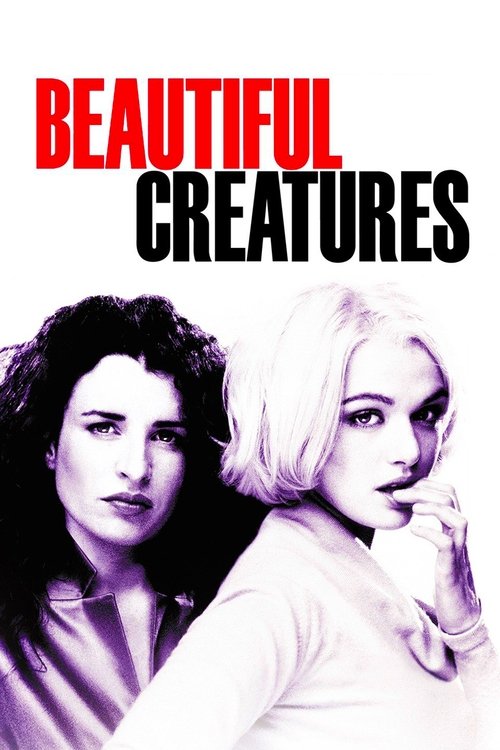
In the movie "Beautiful Creatures" produced in 2000, the ending revolves around the climactic confrontation between the main characters, leading to a resolution of their conflicts and the fates of the key players.
As the story unfolds towards its conclusion, we see the protagonist, Lena, grappling with her identity as a Caster and the impending choice that will determine her fate. The tension builds as Lena's powers grow stronger, and she faces the pressure of her family's legacy. In a pivotal moment, Lena chooses to embrace her true self, rejecting the dark path that her family has followed. This decision leads to a confrontation with her mother, Sarafine, who embodies the darker aspects of their lineage.
In the final scenes, Lena's choice to embrace light over darkness culminates in a powerful display of magic. She uses her abilities to protect those she loves, including Ethan, who has been a steadfast support throughout her journey. The climax sees Lena and Sarafine in a fierce battle, where Lena ultimately overcomes her mother, symbolizing her triumph over the darkness that threatened to consume her.
As the dust settles, Lena's victory comes at a cost. She must make a sacrifice to ensure that the balance between light and dark is maintained. This act solidifies her growth and acceptance of her identity. The film concludes with Lena and Ethan reaffirming their bond, suggesting hope and a new beginning as they look towards the future together.
Now, let's delve into the ending in a more detailed, chronological narrative.
The climax of "Beautiful Creatures" begins with Lena feeling the weight of her impending choice as a Caster. The atmosphere is thick with tension as she stands at the crossroads of light and dark, a reflection of her internal struggle. The stakes are high, and the air crackles with magic as she prepares for the confrontation with her mother, Sarafine, who represents the dark legacy of their family.
In a dimly lit room filled with shadows, Lena confronts Sarafine. The emotional intensity is palpable as Lena expresses her desire to break free from the chains of her family's past. Sarafine, with her fierce determination, tries to sway Lena to embrace the darkness, revealing the seductive power it holds. The dialogue is charged with emotion, showcasing Lena's fear and defiance as she stands her ground.
As the confrontation escalates, the scene shifts to a dramatic showdown. The setting transforms into a battleground of swirling magic and raw emotion. Lena, fueled by her love for Ethan and her desire to protect her friends, channels her powers. The visuals are striking, with bursts of light and dark energy clashing around them, symbolizing the battle between good and evil.
In a moment of clarity, Lena makes her choice. She embraces her identity and the light within her, rejecting the darkness that Sarafine represents. This pivotal decision is marked by a brilliant display of magic, illuminating the space around them. Lena's powers surge as she confronts her mother, and the emotional stakes reach their peak. The audience can feel Lena's determination and the weight of her choice as she fights not just for herself, but for the future she envisions with Ethan.
The battle culminates in a heart-wrenching moment where Lena, with tears in her eyes, channels her magic to overpower Sarafine. The scene is filled with a mix of triumph and sorrow as Lena's victory comes at a significant cost. Sarafine is defeated, but the emotional fallout is evident. Lena's sacrifice is a testament to her growth, showcasing her strength and resilience.
As the dust settles, Lena and Ethan find themselves together, their bond stronger than ever. The final moments are filled with a sense of hope and renewal. They stand hand in hand, looking towards the horizon, symbolizing a new beginning. Lena's journey has transformed her, and the film closes on a note of optimism, suggesting that love and acceptance can triumph over darkness.
In summary, the ending of "Beautiful Creatures" encapsulates the themes of identity, choice, and the struggle between light and dark. Lena's journey culminates in her acceptance of herself, while Ethan remains a steadfast ally, supporting her through the trials they face together. The resolution of their conflicts leaves the audience with a sense of hope for the future, as they step into a world filled with possibilities.
Is there a post-credit scene?
The movie "Beautiful Creatures," produced in 2000, does not have a post-credit scene. The film concludes without any additional scenes after the credits roll, wrapping up the story without further revelations or cliffhangers. The narrative focuses on the main plot and character arcs, leaving the audience with a sense of closure as the credits begin to roll.
What is the significance of the book that Lena finds in the library?
In 'Beautiful Creatures,' the book Lena finds in the library is a crucial element that connects her to her family's history and the supernatural world. It contains information about the Caster lineage and the dark magic that surrounds her. This discovery deepens her understanding of her powers and the choices she must face as her 16th birthday approaches.
How does Ethan's relationship with Lena evolve throughout the film?
Ethan's relationship with Lena begins as a friendship rooted in their shared experiences of feeling out of place in their small town. As they grow closer, Ethan becomes increasingly protective of Lena, especially as she grapples with her impending transformation into a Caster. Their bond deepens as they face external threats together, ultimately leading to a romantic connection that challenges societal norms.
What role does Macon Ravenwood play in Lena's life?
Macon Ravenwood, Lena's uncle, serves as a guardian figure who is deeply protective of her. He embodies the complexities of the Caster world, having experienced the consequences of dark magic. His character provides guidance to Lena, warning her about the dangers of her powers and the choices she must make. His presence is both a source of comfort and a reminder of the weight of her family's legacy.
What are the consequences of Lena's choice on her 16th birthday?
On Lena's 16th birthday, she faces a pivotal choice that will determine whether she becomes a Light or Dark Caster. This decision carries significant consequences not only for her but also for those around her, particularly Ethan. The tension surrounding this choice highlights the internal struggle Lena faces between embracing her identity and the fear of the darkness that runs in her family.
How does the town of Gatlin react to Lena and Ethan's relationship?
The town of Gatlin reacts with suspicion and hostility towards Lena and Ethan's relationship, primarily due to Lena's Caster heritage and the town's deep-seated prejudices. As their bond grows, they face backlash from their peers and adults alike, which adds to the tension of their love story. This societal pressure amplifies the stakes of their relationship, forcing them to confront not only their feelings for each other but also the prejudices of their community.
Is this family friendly?
"Beautiful Creatures," produced in 2000, is a film that explores themes of love, magic, and the supernatural. While it has a romantic and fantastical premise, there are several elements that may be considered objectionable or upsetting for children or sensitive viewers.
-
Supernatural Themes: The film delves into witchcraft and magic, which may be unsettling for some viewers, particularly those who are sensitive to themes involving the occult.
-
Dark Imagery: There are scenes that include dark and eerie visuals, such as haunted locations and supernatural beings, which could be frightening for younger audiences.
-
Emotional Turmoil: Characters experience intense emotional struggles, including themes of loss, betrayal, and the fear of being different, which may resonate deeply and evoke strong feelings.
-
Romantic Elements: The film contains romantic relationships that may include passionate moments, which could be inappropriate for younger viewers.
-
Violence: There are instances of conflict and confrontations that may involve mild violence or threats, which could be distressing for sensitive viewers.
Overall, while "Beautiful Creatures" has a captivating story, its darker themes and emotional depth may not be suitable for all children or sensitive individuals.








