





Popular
What role does the character of Yoko play in Kuroda's journey?
What is the significance of the hanging balloons in the story?
How does the protagonist, Kuroda, react to the appearance of the balloons?
How do the townspeople react to the hanging balloons?
What is the relationship between Kuroda and the balloons as the story progresses?
Should I watch it?
Ask Your Own Question

What is the plot?
Sorry, we aren't able to watch and write up a full detailed plot yet. Check back in a few days.
More Movies Like This
Browse All Movies →
What is the ending?
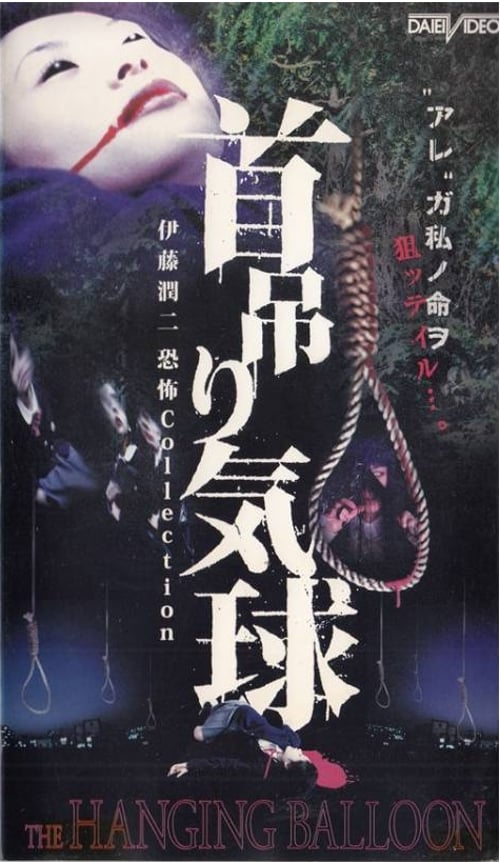
In the ending of "The Hanging Balloons," the protagonist, a young man named Kuroda, confronts the terrifying reality of the hanging balloons that have been haunting the city. As he faces the balloons, he realizes that they are manifestations of people's fears and regrets. In a climactic moment, Kuroda makes a choice that leads to a resolution of the conflict, ultimately sacrificing himself to save others. The film concludes with a sense of eerie calm as the balloons disappear, leaving the city to grapple with the aftermath of Kuroda's actions.
As the final scenes unfold, the atmosphere is thick with tension. Kuroda, having witnessed the devastation caused by the hanging balloons, stands at the edge of a rooftop, looking out over the city. The once vibrant streets are now filled with shadows and despair, as the balloons float ominously above, each one representing a person's unresolved issues and fears. Kuroda's heart races, a mix of fear and determination coursing through him. He knows that the balloons are not just a physical threat; they embody the emotional turmoil of the citizens.
In a flashback, Kuroda recalls moments from his past--his relationships, his failures, and the burdens he carries. These memories fuel his resolve. He understands that to rid the city of the balloons, he must confront his own fears. As he steps closer to the edge, he feels the weight of his decision. The balloons sway gently in the wind, their presence a constant reminder of the pain they inflict.
Kuroda takes a deep breath, his mind racing with thoughts of his friends and family who have been affected by the balloons. He remembers his friend, who succumbed to despair, and the guilt that has haunted him since. This moment crystallizes his purpose: he must act not just for himself, but for everyone who has suffered. With a final glance at the city below, he leaps into the air, reaching out toward the nearest balloon.
As he collides with the balloon, a brilliant flash of light envelops him. The screen fills with a kaleidoscope of colors, symbolizing the release of pent-up emotions and fears. The balloons begin to pop one by one, each explosion resonating with the cries of those who have been liberated from their burdens. Kuroda's sacrifice sends shockwaves through the city, and the remaining citizens watch in awe as the balloons burst, dissipating into the air.
In the aftermath, the city is eerily quiet. The once menacing balloons are gone, leaving behind a sense of emptiness but also a glimmer of hope. Kuroda's friends gather at the rooftop where he made his final stand, their faces a mixture of sorrow and gratitude. They realize that Kuroda's act of bravery has freed them from their own fears, and they begin to share their stories, slowly healing from the trauma they endured.
The film closes with a panoramic view of the city, now bathed in sunlight. The streets, once filled with despair, begin to show signs of life as people emerge from their homes, ready to confront their realities. Kuroda's sacrifice becomes a symbol of courage, inspiring others to face their fears and seek redemption. The final shot lingers on the sky, now clear of the ominous balloons, suggesting a new beginning for the city and its inhabitants.
Is there a post-credit scene?
The movie "The Hanging Balloons," produced in 2000, does not feature a post-credit scene. The film concludes its narrative without any additional scenes or content after the credits roll. The story wraps up with a sense of finality, leaving the audience to reflect on the themes and events that have unfolded throughout the film.
What role does the character of Yoko play in Kuroda's journey?
Yoko serves as a crucial emotional anchor for Kuroda throughout the film. She embodies hope and resilience, contrasting Kuroda's growing despair. Her unwavering support and belief in finding a solution to the balloon crisis motivate Kuroda to take action. Yoko's character also highlights the theme of human connection amidst chaos, as she encourages Kuroda to confront his fears and the reality of their situation.
What is the significance of the hanging balloons in the story?
The hanging balloons in 'The Hanging Balloons' serve as a haunting symbol of the characters' fears and the oppressive nature of their reality. Each balloon represents a person who has died, and they float ominously above the town, creating a sense of dread and inevitability. As the story unfolds, the balloons become a physical manifestation of the characters' internal struggles and the societal pressures they face.
How does the protagonist, Kuroda, react to the appearance of the balloons?
Kuroda, the protagonist, initially feels a mix of fear and curiosity upon seeing the hanging balloons. As the story progresses, his emotional state shifts from denial to a desperate need to confront the reality of the situation. He grapples with feelings of helplessness and anger, ultimately leading him to seek answers and a way to combat the terror that the balloons represent.
How do the townspeople react to the hanging balloons?
The townspeople exhibit a range of reactions to the hanging balloons, from fear and panic to resignation. Some are paralyzed by terror, unable to leave their homes, while others attempt to ignore the looming threat. This collective response illustrates the psychological impact of the balloons on the community, as they struggle to maintain normalcy in the face of an overwhelming and surreal crisis.
What is the relationship between Kuroda and the balloons as the story progresses?
As the story progresses, Kuroda's relationship with the balloons evolves from one of fear to a more complex understanding of their significance. Initially, he views them as a terrifying force that threatens his existence. However, as he delves deeper into the mystery of the balloons, he begins to see them as reflections of his own fears and regrets. This transformation leads him to confront his past and ultimately seek a way to break free from the cycle of despair that the balloons represent.
Is this family friendly?
The Hanging Balloons, produced in 2000, is a horror film that contains several elements that may not be suitable for children or sensitive viewers. Here are some potentially objectionable or upsetting aspects:
-
Graphic Violence: The film includes scenes of intense violence and gore, which may be disturbing to younger audiences or those sensitive to such content.
-
Death and Dismemberment: There are moments that depict death in a graphic manner, including dismemberment, which can be unsettling.
-
Psychological Horror: The film explores themes of fear and existential dread, which may be emotionally intense and frightening for children.
-
Dark Themes: The overarching themes of despair and hopelessness may be too heavy for younger viewers, as they delve into the darker aspects of human nature.
-
Tension and Suspense: The film builds a significant amount of tension and suspense, which could be anxiety-inducing for sensitive individuals.
Overall, due to its horror elements and graphic content, The Hanging Balloons is not considered family-friendly and may be best suited for mature audiences.







