
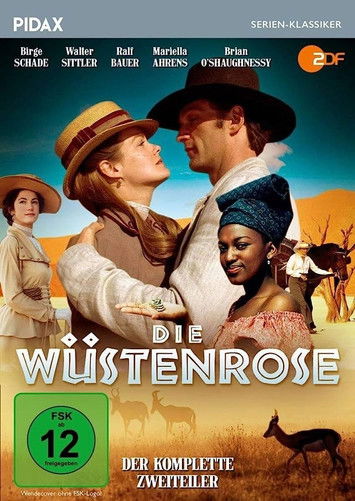











Popular
What challenges does the main character, Waris Dirie, face in her journey from Somalia to the fashion world?
How does Waris Dirie's relationship with her family evolve throughout the film?
What role does the character of the photographer play in Waris's life and career?
How does Waris Dirie confront the issue of female genital mutilation in the film?
What impact does Waris's success in the fashion industry have on her identity and self-perception?
Should I watch it?
Ask Your Own Question

What is the plot?
Sorry, we aren't able to watch and write up a full detailed plot yet. Check back in a few days.






What is the ending?
In the ending of "Die Wüstenrose," the protagonist, a young girl named Waris Dirie, achieves her dream of becoming a model, but she also confronts the painful realities of her past, particularly the practice of female genital mutilation. The film concludes with her becoming an advocate against this practice, using her platform to raise awareness and fight for the rights of women.
As the film approaches its conclusion, we see Waris Dirie, now a successful model, navigating the glamorous yet challenging world of fashion. She is celebrated for her beauty and unique background, but the shadows of her past loom large. The emotional weight of her experiences, particularly the trauma of female genital mutilation, becomes increasingly evident.
In a pivotal scene, Waris attends a high-profile fashion event, where she is the center of attention. The bright lights and flashing cameras contrast sharply with her internal struggle. As she walks the runway, her thoughts drift back to her childhood in Somalia, where she endured the painful and life-altering procedure. The juxtaposition of her current success and her painful memories creates a poignant moment, highlighting the conflict between her past and present.
After the fashion show, Waris is approached by a journalist who expresses interest in her story. This encounter serves as a catalyst for her to share her experiences publicly. In a heartfelt interview, she bravely recounts the horrors of female genital mutilation, emphasizing the need for change and the importance of speaking out against such practices. Her vulnerability in this moment resonates deeply, showcasing her transformation from a victim to a powerful advocate.
The film culminates in a powerful scene where Waris stands before a group of women, sharing her story and encouraging them to stand up for their rights. Her message is one of empowerment and resilience, urging others to break the silence surrounding female genital mutilation. The emotional weight of her words is palpable, as she reflects on her journey from a small village in Somalia to the international stage.
As the credits roll, we see glimpses of Waris continuing her advocacy work, participating in campaigns and speaking engagements. The film closes with a sense of hope, as Waris Dirie not only finds her voice but also inspires countless others to do the same. The fate of Waris is one of triumph and purpose, as she dedicates her life to fighting for the rights of women and raising awareness about the dangers of female genital mutilation.
In contrast, the film also touches on the fates of other characters, such as her family back in Somalia, who remain entrenched in traditional practices. Their inability to change highlights the ongoing struggle against cultural norms that perpetuate harm. Waris's journey serves as a beacon of hope, illustrating the power of resilience and the importance of advocacy in the face of adversity.
Is there a post-credit scene?
The movie "Die Wüstenrose," produced in 2000, does not have a post-credit scene. The film concludes its narrative without any additional scenes or content after the credits roll. The story wraps up with a focus on the main character's journey and the resolution of her struggles, leaving the audience with a sense of closure regarding her experiences and the themes of resilience and hope that permeate the film.
What challenges does the main character, Waris Dirie, face in her journey from Somalia to the fashion world?
Waris Dirie faces numerous challenges in her journey, including the trauma of female genital mutilation, cultural dislocation, and the struggle for acceptance in the fashion industry. As she transitions from her life in Somalia, she grapples with the pain of her past and the harsh realities of being a model in a foreign country, where she often feels like an outsider.
How does Waris Dirie's relationship with her family evolve throughout the film?
Waris's relationship with her family is strained, particularly with her mother, who represents the traditional values of their culture. As Waris pursues her modeling career, she feels a deep conflict between her desire for independence and her family's expectations. This tension culminates in moments of longing and regret, as she reflects on her roots and the sacrifices made for her freedom.
What role does the character of the photographer play in Waris's life and career?
The photographer serves as a pivotal figure in Waris's life, acting as both a mentor and a source of support. He recognizes her potential and helps her navigate the complexities of the fashion world. His encouragement provides Waris with the confidence she needs to embrace her identity and share her story, ultimately aiding her in becoming a voice against female genital mutilation.
How does Waris Dirie confront the issue of female genital mutilation in the film?
Waris confronts the issue of female genital mutilation by sharing her personal story and experiences. Throughout the film, she becomes an advocate for change, using her platform in the fashion industry to raise awareness about the practice. Her emotional journey includes moments of anger, sadness, and determination as she seeks to educate others and prevent future generations from undergoing the same trauma.
What impact does Waris's success in the fashion industry have on her identity and self-perception?
Waris's success in the fashion industry significantly impacts her identity and self-perception. Initially, she struggles with feelings of inadequacy and the pressure to conform to Western beauty standards. However, as she gains recognition, she begins to embrace her uniqueness and cultural heritage. This transformation is marked by a growing sense of empowerment, as she learns to balance her past with her present aspirations.
Is this family friendly?
"Die Wüstenrose," produced in 2000, is a film that deals with complex themes and emotional struggles, which may not be suitable for very young children or sensitive viewers. Here are some potentially objectionable or upsetting aspects:
-
Cultural Conflict: The film explores the clash between traditional values and modernity, which may be difficult for younger audiences to fully understand.
-
Emotional Turmoil: Characters experience significant emotional distress, including feelings of isolation, fear, and despair, which could be intense for sensitive viewers.
-
Violence and Threats: There are scenes that depict violence or the threat of violence, particularly in the context of cultural practices and personal safety.
-
Discrimination and Prejudice: The film addresses issues of racism and discrimination, which may be upsetting for some viewers, especially younger ones who may not grasp the complexities of these themes.
-
Family Struggles: The dynamics within families can be tense and fraught with conflict, showcasing difficult relationships that might be distressing.
-
Loss and Grief: Themes of loss and the impact of death are present, which can evoke strong emotional reactions.
These elements contribute to the film's serious tone and may require parental guidance for younger audiences.









