




































Popular
What motivates John Harrison to pursue the invention of the marine chronometer?
How does the relationship between John Harrison and the Board of Longitude evolve throughout the film?
What role does the character of Nevil Maskelyne play in the story?
How does the film depict the challenges faced by John Harrison in gaining recognition for his work?
What is the significance of the final demonstration of Harrison's chronometer?
Should I watch it?
Ask Your Own Question

What is the plot?
Sorry, we aren't able to watch and write up a full detailed plot yet. Check back in a few days.






What is the ending?
In the ending of the movie "Longitude," John Harrison finally receives recognition for his groundbreaking work on the marine chronometer, which allows sailors to determine their longitude at sea. After years of struggle and conflict with the establishment, particularly with the Astronomer Royal, he is awarded the prize for his invention. The film concludes with a sense of vindication for Harrison, as he is celebrated for his contributions to navigation, while the legacy of his work is solidified.
As the story unfolds towards its conclusion, we find ourselves in the late 18th century, where John Harrison, played by Michael Gambon, is an aging man who has dedicated his life to solving the problem of determining longitude at sea. The narrative shifts back and forth between Harrison's past and the present, illustrating the challenges he faced, both personally and professionally.
In the final scenes, Harrison is seen in his workshop, surrounded by the intricate gears and mechanisms of his latest chronometer. His hands, weathered and skilled, work meticulously as he fine-tunes the device. The tension in the air is palpable; he knows that this chronometer could finally prove his worth and validate his life's work. The audience can feel his determination, mixed with a sense of desperation, as he reflects on the years of rejection and ridicule he has faced from the scientific community, particularly from the likes of Nevil Maskelyne, the Astronomer Royal, who has consistently dismissed Harrison's innovations.
As the chronometer is tested at sea, the stakes are high. The ship's captain, who has been skeptical of Harrison's invention, begins to see the accuracy of the device as it successfully keeps time over long distances. The crew watches in awe as the chronometer performs flawlessly, allowing them to navigate with unprecedented precision. This moment is a turning point, not just for the ship's journey, but for Harrison's legacy.
Back on land, the Board of Longitude convenes to discuss the results of Harrison's work. The atmosphere is tense, filled with skepticism and doubt. However, as the evidence mounts in favor of Harrison's chronometer, the tide begins to turn. The board members, initially resistant, start to acknowledge the significance of his invention. The emotional weight of this moment is heavy; Harrison's years of toil and sacrifice are finally being recognized.
In a climactic meeting, Harrison is called to present his chronometer. The room is filled with influential figures, and the air is thick with anticipation. Harrison stands before them, a mix of pride and vulnerability evident on his face. He explains the mechanics of his invention, his passion for navigation shining through. The board members, including Maskelyne, are visibly moved as they witness the brilliance of Harrison's work.
Ultimately, Harrison is awarded the long-awaited prize for his contributions to navigation. The moment is bittersweet; while he has achieved recognition, it comes after a lifetime of struggle. The film captures the emotional release as Harrison, now an old man, finally feels a sense of closure. He is celebrated not just for his invention, but for his relentless pursuit of truth and innovation against all odds.
As the credits roll, we see glimpses of the impact of Harrison's work on future generations of navigators and explorers. His legacy is cemented, and the film leaves the audience with a sense of triumph for a man who, despite the challenges, changed the course of maritime history. The final scenes reflect on the importance of perseverance, the value of innovation, and the recognition of those who dare to challenge the status quo.
Is there a post-credit scene?
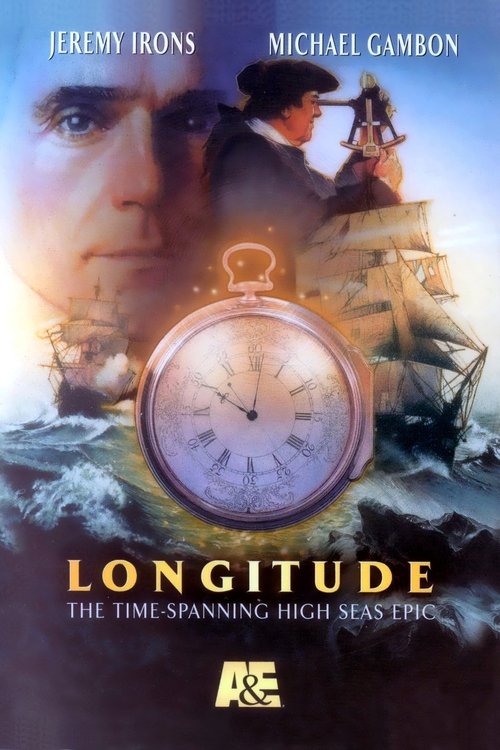
The movie "Longitude," produced in 2000, does not have a post-credit scene. The film concludes with the resolution of its central narrative, focusing on the historical struggle of John Harrison to create a reliable marine chronometer for determining longitude at sea. The story wraps up with the acknowledgment of Harrison's contributions to navigation and the eventual recognition he receives for his work, leaving the audience with a sense of closure regarding his journey and the impact of his inventions.
What motivates John Harrison to pursue the invention of the marine chronometer?
John Harrison is driven by a deep-seated desire to solve the problem of determining longitude at sea, which has plagued sailors for centuries. His personal motivation is fueled by the tragic loss of his son, who died at sea due to navigational errors. This loss instills in him a relentless determination to create a reliable timekeeping device that can save lives and prevent further maritime disasters.
How does the relationship between John Harrison and the Board of Longitude evolve throughout the film?
Initially, John Harrison is hopeful and eager to gain the Board of Longitude's support for his chronometer. However, as he faces skepticism and bureaucratic obstacles, his relationship with the Board becomes strained. The Board's dismissive attitude and preference for more traditional methods lead to frustration and isolation for Harrison, highlighting the conflict between innovation and established authority.
What role does the character of Nevil Maskelyne play in the story?
Nevil Maskelyne serves as a significant antagonist to John Harrison. As the Astronomer Royal, he represents the scientific establishment that is resistant to Harrison's revolutionary ideas. Maskelyne's commitment to lunar distance methods and his rivalry with Harrison create tension, as he seeks to undermine Harrison's credibility while promoting his own methods, ultimately reflecting the struggle between old and new scientific paradigms.
How does the film depict the challenges faced by John Harrison in gaining recognition for his work?
The film portrays John Harrison's journey as fraught with challenges, including financial difficulties, personal sacrifices, and the relentless skepticism of the scientific community. Despite his groundbreaking inventions, he faces repeated rejection from the Board of Longitude, which is more inclined to support established methods. This struggle is depicted through scenes of Harrison's frustration, his tireless work in his workshop, and the emotional toll it takes on his family life.
What is the significance of the final demonstration of Harrison's chronometer?
The final demonstration of Harrison's chronometer is a pivotal moment in the film, showcasing the culmination of his life's work. It represents not only the technical achievement of creating a reliable timekeeping device but also serves as a vindication of his efforts against the skepticism of the Board. The emotional weight of this moment is heightened by the anticipation and doubt surrounding the demonstration, ultimately leading to a sense of triumph for Harrison as he proves the effectiveness of his invention.
Is this family friendly?
"Longitude," produced in 2000, is a historical drama that explores the life of John Harrison, an 18th-century clockmaker who dedicated his life to solving the problem of determining longitude at sea. While the film is primarily focused on Harrison's scientific endeavors and personal struggles, there are a few elements that may be considered potentially objectionable or upsetting for children or sensitive viewers:
-
Death and Loss: The film touches on themes of loss, including the death of loved ones, which may evoke strong emotions. Harrison experiences personal tragedies that impact his character development.
-
Conflict and Rivalry: There are scenes depicting intense rivalry and conflict between Harrison and other characters, particularly the establishment and fellow scientists. This can create a tense atmosphere.
-
Frustration and Despair: Harrison faces significant challenges and setbacks in his quest for recognition and success, leading to moments of frustration and despair that may be difficult for younger viewers to process.
-
Historical Context: The film portrays the struggles of a man fighting against societal norms and the scientific community of his time, which may include themes of skepticism and rejection that could be upsetting.
Overall, while "Longitude" is not overtly graphic or violent, its emotional depth and historical context may require parental guidance for younger audiences.