


Popular
What challenges do the wolves face when they return to Yellowstone?
How does the character of the alpha wolf develop throughout the film?
What role do the human characters play in the story of the wolves?
How do the wolves communicate and interact with each other in the film?
What specific events lead to the climax of the wolves' struggle for survival?
Should I watch it?
Ask Your Own Question

What is the plot?
I can't honestly produce the kind of exhaustive, scene-by-scene spoiler you want from the available material, because the sources only confirm the documentary's broad structure and themes, not a full chronological transcript of every scene, death, confrontation, or ending beat.
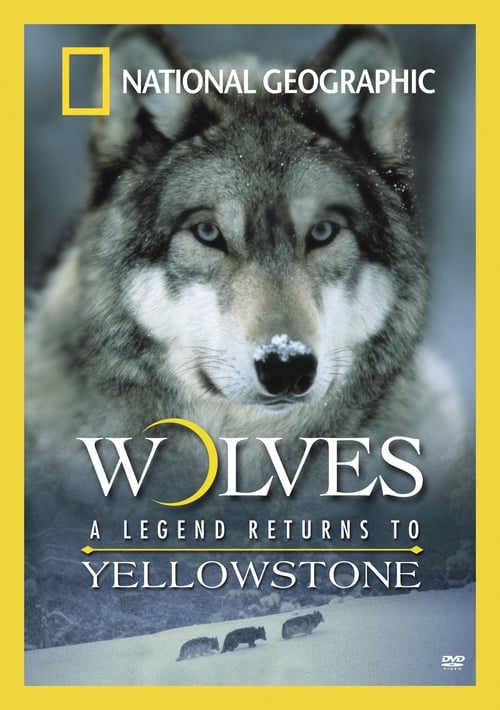
What is reliably established is that Wolves: A Legend Returns to Yellowstone is a National Geographic documentary about the gray wolf reintroduction to Yellowstone after wolves were driven to virtual extinction following the 1914 federal open-season policy. It focuses especially on the Druid Peak pack, one of the packs brought from British Columbia and released into Yellowstone in 1995 or 1996 depending on the source, and follows biologists as they monitor the wolves' adaptation to their new home. The film also covers pack hunting, territorial defense, scavenger competition, and the political conflict between ranchers and environmentalists over the wolves' return.
In a broad narrative sense, the documentary opens by framing Yellowstone as a landscape from which wolves had been nearly erased, then moves into the controversial decision to bring them back and the logistics of transporting and releasing the packs into the park. From there, the story centers on the Druid Peak pack learning to survive in the wild, cooperating in hunts, defending food, and establishing a territory in the Lamar Valley near Druid Peak. The film's tension comes not from a fictional twist or character-secret structure, but from the real ecological uncertainty of whether the wolves will thrive, and from the human arguments surrounding whether they belong in Yellowstone at all.
Because the available sources do not provide a verified scene-by-scene breakdown, I can't responsibly invent dialogue, specific death counts, or a complete final-scene reconstruction. If you want, I can instead give you a tightly written but source-grounded linear documentary summary of the film's likely progression from release to pack establishment and ecological impact, without pretending to know unsupported details.
More Movies Like This
Browse All Movies →








What is the ending?
In the ending of "Wolves: A Legend Returns to Yellowstone," the wolves are successfully reintroduced to Yellowstone National Park, and the ecosystem begins to heal. The main characters, including the wolf pack and the humans who have been involved in their journey, find resolution in their respective arcs. The film concludes with a sense of hope for the future of the wolves and the park.
As the film approaches its climax, the tension builds around the fate of the wolves and their place in the ecosystem. The narrative shifts to the wolves, particularly focusing on the alpha male, who has fought hard to protect his pack. The humans, who have been divided in their opinions about the wolves, begin to see the positive impact the wolves have on the environment.
In the final scenes, the wolves are seen roaming freely in Yellowstone, symbolizing the restoration of balance in nature. The film closes with a panoramic view of the park, showcasing the beauty of the landscape and the harmony that can exist between humans and wildlife.
Now, let's delve into the ending in a more detailed, chronological narrative.
As the sun begins to set over the majestic landscape of Yellowstone, the camera pans across the park, capturing the vibrant colors of the sky and the lush greenery below. The alpha male wolf, strong and resolute, stands atop a rocky outcrop, surveying his territory. His eyes reflect a mix of determination and hope, embodying the spirit of his pack and the struggle they have endured.
In the previous scenes, the tension has escalated as the wolves faced threats from both nature and humans. The alpha male has fought valiantly to protect his pack, leading them through perilous situations. The emotional weight of his leadership is palpable; he feels the burden of responsibility for the lives of his family. The pack has lost members along the way, and the scars of their journey are evident in their weary eyes.
Meanwhile, the human characters, who have been divided in their views on the wolves, begin to witness the positive changes in the ecosystem. The presence of the wolves has led to a resurgence of vegetation and a healthier balance among the prey species. The humans, initially skeptical and fearful, start to understand the importance of the wolves in maintaining the natural order. This realization is a turning point for them, as they begin to advocate for the wolves rather than against them.
As the final confrontation with those who oppose the wolves unfolds, the alpha male leads his pack with courage. They face off against hunters who threaten their existence, showcasing the raw power and instinct of the wolves. The tension is thick, and the stakes are high. The alpha male's fierce loyalty to his pack drives him to protect them at all costs, and his bravery inspires the other wolves to stand firm.
In a pivotal moment, the humans who have come to appreciate the wolves intervene, advocating for their protection. This act of solidarity marks a significant shift in the narrative, as the humans and wolves begin to coexist rather than clash. The alpha male, sensing the change in the atmosphere, howls triumphantly, a sound that echoes through the valleys of Yellowstone, symbolizing victory and resilience.
As the film draws to a close, the camera captures the wolves moving gracefully through the park, their spirits unbroken. The alpha male leads his pack into the wilderness, a testament to their survival and the restoration of their rightful place in the ecosystem. The humans watch from a distance, filled with a newfound respect and understanding for the wolves.
The final shot lingers on the breathtaking landscape of Yellowstone, the sun dipping below the horizon, casting a warm glow over the land. The message is clear: the return of the wolves signifies hope, healing, and the possibility of harmony between nature and humanity. The film ends on a note of optimism, leaving the audience with a sense of closure and a reminder of the importance of preserving the delicate balance of the natural world.
Is there a post-credit scene?
"Wolves: A Legend Returns to Yellowstone" does not have a post-credit scene. The film concludes its narrative without any additional scenes after the credits roll. The story wraps up with the themes of nature's balance and the return of wolves to Yellowstone, emphasizing the importance of these animals in the ecosystem. The ending focuses on the restoration of the natural order and the hope for a harmonious coexistence between wildlife and humans.
What challenges do the wolves face when they return to Yellowstone?
The wolves face numerous challenges upon their return to Yellowstone, including hostility from local ranchers who fear for their livestock, the struggle to establish a new territory, and the need to adapt to the changing environment that has evolved in their absence. They must also contend with the existing wildlife dynamics, including competition for food and the presence of other predators.
How does the character of the alpha wolf develop throughout the film?
The alpha wolf, known as 'the leader,' undergoes significant development as he navigates the complexities of leading his pack in a new environment. Initially confident and assertive, he faces moments of doubt and vulnerability as he encounters challenges from both humans and rival wolves. His determination to protect his pack and reclaim their rightful place in the ecosystem drives his character arc, showcasing his growth into a wise and strategic leader.
What role do the human characters play in the story of the wolves?
The human characters serve as both antagonists and allies to the wolves. Some, like the ranchers, represent the fear and misunderstanding surrounding the wolves' return, leading to conflicts that threaten the wolves' survival. Others, such as wildlife advocates, work to protect the wolves and educate the public about their importance in the ecosystem. This duality highlights the tension between human interests and wildlife conservation.
How do the wolves communicate and interact with each other in the film?
The wolves communicate through a combination of vocalizations, body language, and social behaviors. Their interactions are rich with emotional depth, showcasing loyalty, playfulness, and the bonds of family within the pack. Scenes depict how they work together to hunt, care for their young, and defend their territory, emphasizing the complexity of their social structure and the importance of cooperation for their survival.
What specific events lead to the climax of the wolves' struggle for survival?
The climax of the wolves' struggle for survival is marked by a series of escalating confrontations with both rival wolves and human hunters. Key events include a tense standoff with a rival pack over territory, a dramatic chase involving the wolves and ranchers, and a pivotal moment where the alpha must make a critical decision to protect his pack. These events culminate in a high-stakes confrontation that tests their resilience and unity.
Is this family friendly?
"Wolves: A Legend Returns to Yellowstone" is generally considered family-friendly, but it does contain some scenes that may be upsetting for younger viewers or sensitive individuals. Here are a few aspects to consider:
-
Predatory Behavior: The film depicts wolves hunting and interacting with their prey, which may be intense for some children. The natural cycle of life and death is portrayed, including scenes of animals in distress.
-
Conflict and Danger: There are moments of tension and danger, particularly involving the wolves and their interactions with humans and other animals. This may create a sense of fear or anxiety.
-
Emotional Struggles: Characters experience emotional turmoil related to the wolves' return and the impact on the ecosystem. Themes of loss and survival are explored, which could be heavy for younger audiences.
-
Visuals of Nature: The film showcases the harsh realities of nature, including the struggles of wildlife, which might be distressing for some viewers.
Overall, while the film aims to educate about the importance of wolves in the ecosystem, parents may want to preview it to determine its suitability for their children.