






Popular
What specific challenges did Metallica face during the recording of the album 'Metallica'?
How did producer Bob Rock influence the sound of the album?
What was the significance of the song 'Enter Sandman' in the context of the album?
How did the band members' personal struggles impact the creation of the album?
What role did the music videos play in the promotion of the album?
Should I watch it?
Ask Your Own Question

What is the plot?
Sorry, we aren't able to watch and write up a full detailed plot yet. Check back in a few days.
More Movies Like This
Browse All Movies →





What is the ending?
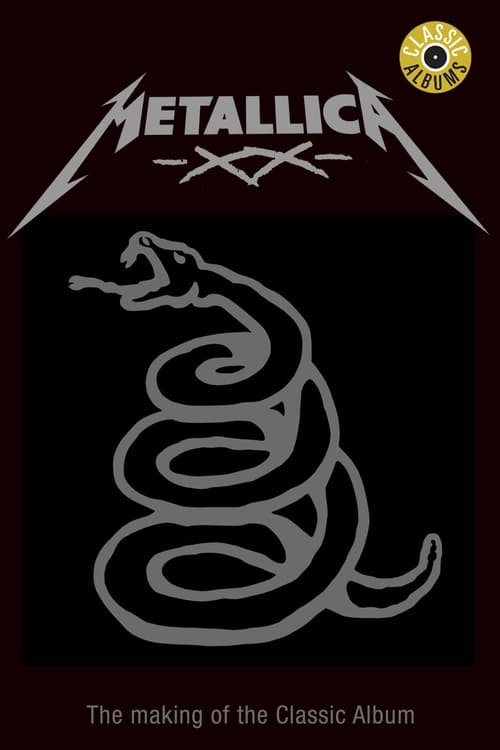
In the ending of "Classic Albums: Metallica - Metallica," the documentary culminates with the band reflecting on the impact of their self-titled album, commonly known as "The Black Album." They discuss the evolution of their sound and the personal and professional challenges they faced during its creation. The film concludes with a sense of pride and accomplishment, as the band members acknowledge the album's significance in their careers and its lasting influence on the music industry.
As the documentary approaches its conclusion, the scene transitions to the band members--James Hetfield, Lars Ulrich, Kirk Hammett, and Jason Newsted--sitting together in a studio, reminiscing about the journey of creating "The Black Album." The atmosphere is reflective, filled with a mix of nostalgia and pride. Each member shares their thoughts on how the album marked a pivotal moment in their careers, showcasing their growth as musicians and as individuals.
James Hetfield, with a contemplative expression, speaks about the emotional weight of the songs and how they resonated with fans. He recalls the pressure they felt to evolve their sound while staying true to their roots. His voice carries a sense of vulnerability as he admits the challenges of balancing commercial success with artistic integrity.
Lars Ulrich, animated and passionate, discusses the band's decision to work with producer Bob Rock. He emphasizes how Rock's influence helped them refine their sound, making it more accessible without losing the essence of Metallica. Lars's enthusiasm is palpable as he recounts the creative process, highlighting the collaborative spirit that defined the album's production.
Kirk Hammett, with a thoughtful demeanor, reflects on the guitar work and the iconic riffs that became synonymous with the album. He expresses pride in the musicality they achieved, noting how the songs were crafted to evoke strong emotions. His insights reveal a deep appreciation for the artistry involved in their work.
Jason Newsted, who joined the band shortly before the album's recording, shares his perspective on the experience. He conveys a sense of belonging and excitement, emphasizing how the album solidified his place within the band. His contributions are acknowledged, and he expresses gratitude for the opportunity to be part of such a monumental project.
As the documentary draws to a close, the band members acknowledge the album's impact on their lives and careers. They reflect on the overwhelming response from fans and the album's commercial success, which catapulted them into a new realm of stardom. The final scenes feature clips of live performances, showcasing the energy and connection they share with their audience.
The film ends on a high note, with the band members united in their pride for "The Black Album." They recognize that it not only defined a moment in their history but also left an indelible mark on the music landscape. The closing shots capture the essence of Metallica's journey, celebrating their resilience, creativity, and the bonds forged through their shared passion for music.
Is there a post-credit scene?
The movie "Classic Albums: Metallica - Metallica," produced in 2001, does not contain a post-credit scene. The documentary focuses on the making of Metallica's self-titled album, commonly known as "The Black Album," and delves into the band's creative process, the challenges they faced, and the impact of the album on their career. It concludes with reflections from the band members and insights into the significance of the album, but there are no additional scenes or content after the credits.
What specific challenges did Metallica face during the recording of the album 'Metallica'?
During the recording of the album 'Metallica', also known as 'The Black Album', the band faced significant challenges, including internal conflicts and the pressure of following up their previous success. Tensions arose particularly between lead vocalist James Hetfield and drummer Lars Ulrich, as they navigated their artistic visions and the expectations of their growing fanbase. The band also struggled with the transition from their thrash metal roots to a more mainstream sound, which led to debates about the direction of their music.
How did producer Bob Rock influence the sound of the album?
Producer Bob Rock played a crucial role in shaping the sound of 'Metallica'. His approach involved encouraging the band to simplify their compositions and focus on melody, which was a departure from their earlier, more complex arrangements. Rock's insistence on capturing a polished sound in the studio led to the iconic production quality of the album, which helped it reach a wider audience. His influence is evident in tracks like 'Enter Sandman', where the blend of heavy riffs and catchy hooks exemplifies this new direction.
What was the significance of the song 'Enter Sandman' in the context of the album?
The song 'Enter Sandman' served as a pivotal track on the album, both thematically and commercially. It encapsulated the album's shift towards a more accessible sound while maintaining Metallica's heavy metal roots. Lyrically, it explores themes of childhood fears and nightmares, resonating with a broad audience. The song's success helped propel the album to unprecedented heights, becoming one of Metallica's most recognizable tracks and a staple in their live performances.
How did the band members' personal struggles impact the creation of the album?
The personal struggles of the band members significantly impacted the creation of 'Metallica'. James Hetfield's battle with addiction and his journey towards sobriety influenced the emotional depth of the lyrics, as he confronted his demons through his songwriting. Meanwhile, Lars Ulrich's drive for success and his desire to maintain the band's integrity led to intense discussions about their musical direction. These personal challenges added layers of complexity to the album, making it not just a collection of songs, but a reflection of their individual and collective journeys.
What role did the music videos play in the promotion of the album?
The music videos for the album played a crucial role in its promotion and the band's visibility in the early 1990s. Videos for tracks like 'Enter Sandman' and 'The Unforgiven' were heavily rotated on MTV, introducing Metallica to a broader audience and enhancing their mainstream appeal. The visuals complemented the themes of the songs, with 'Enter Sandman' featuring haunting imagery that matched the song's exploration of fear. These videos not only helped to solidify the album's success but also established Metallica as a dominant force in the music industry.
Is this family friendly?
"Classic Albums: Metallica - Metallica" is not considered family-friendly due to several potentially objectionable aspects. The documentary features:
-
Strong Language: The film includes frequent use of profanity, which may not be suitable for younger audiences or sensitive viewers.
-
Themes of Substance Abuse: There are discussions surrounding the band's struggles with alcohol and drug use, which may be distressing for some viewers.
-
Intense Emotional Content: The documentary delves into the personal and emotional challenges faced by the band members, including themes of loss and conflict, which could be heavy for children or sensitive individuals.
-
Graphic Imagery: While not overly graphic, there are moments that may include imagery or references that could be unsettling for some viewers.
These elements contribute to a viewing experience that may not be appropriate for all audiences, particularly children.







