
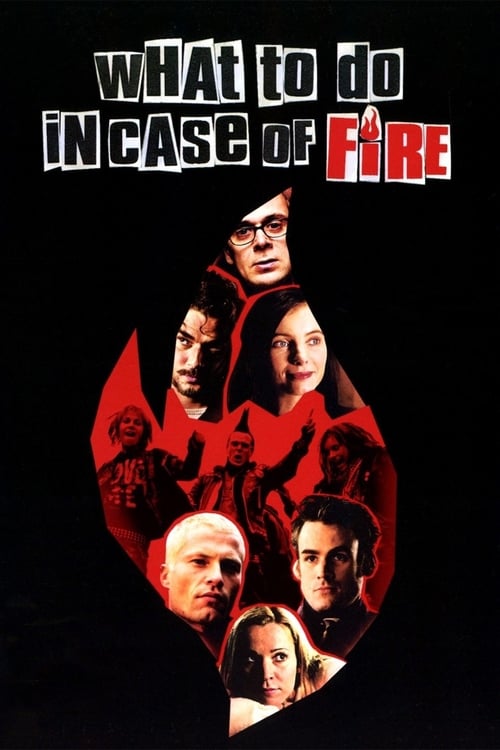


















Popular
What role does the character of the police officer play in the story?
What motivates the main character, the arsonist, to return to the scene of the crime?
How does the group of friends react when they discover the fire they set is being investigated?
How does the character of the artist cope with the emotional fallout from the fire incident?
What is the significance of the building where the friends gather, and how does it affect their interactions?
Should I watch it?
Ask Your Own Question

What is the plot?
Sorry, we aren't able to watch and write up a full detailed plot yet. Check back in a few days.








What is the ending?
In the ending of "What to Do in Case of Fire?", the group of former anarchists confronts their past and the consequences of their actions. They face a fire in their old squatter home, leading to a dramatic climax where they must decide whether to save their ideals or their lives. Ultimately, they choose to escape, and the film concludes with a sense of unresolved tension regarding their futures.
As the film approaches its climax, the tension escalates within the dilapidated building that once served as a sanctuary for the group of anarchists. The fire, ignited by a series of unfortunate events, begins to consume the structure, forcing the characters to confront not only the flames but also the ghosts of their past.
The first scene of the ending unfolds with the group frantically trying to extinguish the fire. The air is thick with smoke, and the flickering flames cast eerie shadows on their faces, revealing their panic and desperation. Each character's internal struggle is palpable; they are torn between their commitment to their ideals and the instinct to survive.
As they scramble to find a way out, the group reflects on their past decisions. The leader, a passionate and fiery individual, grapples with feelings of guilt and responsibility for the situation. He feels the weight of their collective history, realizing that their youthful rebellion has led them to this moment of crisis. His determination to save the building symbolizes his desire to preserve their shared memories and ideals.
Meanwhile, another character, who has been more pragmatic throughout the film, urges the group to abandon the building. She represents a voice of reason amidst the chaos, advocating for survival over nostalgia. Her internal conflict is evident as she struggles with the idea of leaving behind a place that holds so much meaning for them all.
As the fire intensifies, the group makes a collective decision to escape. They rush through the smoke-filled hallways, their hearts racing as they navigate the familiar yet now treacherous environment. The sound of crackling flames and the smell of burning wood heighten their sense of urgency.
In a pivotal moment, they reach a window, but it is too high to jump from safely. The leader, in a moment of clarity, realizes that they must work together to create a human chain to help each other escape. This act of solidarity highlights their bond and the growth they have experienced throughout the film.
One by one, they manage to climb out, but not without a few close calls. The last character to escape is the one who has been most resistant to the idea of leaving the building. As he hesitates, the flames lick closer, and he finally understands the importance of prioritizing life over ideology. He makes a desperate leap just as the roof begins to collapse behind him.
Outside, the group gathers, coughing and gasping for air, their faces streaked with soot and fear. They watch as the fire consumes their former home, a bittersweet moment that signifies the end of an era. Each character stands in silence, reflecting on what they have lost and what they have gained through this harrowing experience.
In the final scenes, the group is left to contemplate their futures. They are no longer the same individuals who entered the building; the fire has transformed them. The leader, now more aware of the fragility of their ideals, suggests they find a new way to channel their passion. The pragmatic character nods in agreement, hinting at a possible reconciliation between their past and future.
As the camera pulls away, the group stands together, united yet changed, symbolizing the ongoing struggle between their ideals and the realities of life. The film ends on a note of uncertainty, leaving the audience to ponder the fate of these characters as they step into an unknown future, forever marked by the fire that forced them to confront their past.
Is there a post-credit scene?
The movie "What to Do in Case of Fire?" does not have a post-credit scene. The film concludes its narrative without any additional scenes after the credits roll. The story wraps up with the characters facing the consequences of their actions and the resolution of their conflicts, leaving the audience with a sense of closure regarding the events that transpired throughout the film.
What role does the character of the police officer play in the story?
The police officer serves as a catalyst for the group's confrontation with their past. He is determined to uncover the truth behind the fire and represents the law and order that the group has tried to evade. His relentless pursuit creates a sense of urgency and fear among the friends, forcing them to confront their actions and the impact of their choices.
What motivates the main character, the arsonist, to return to the scene of the crime?
The main character, a former arsonist named 'The Firestarter', is driven by a mix of guilt and nostalgia. He feels a deep sense of responsibility for the fire that he set years ago, which led to the destruction of a building and the lives affected by it. His return is fueled by a desire to confront his past and seek redemption, as well as to reconnect with his old friends who were also involved.
How does the group of friends react when they discover the fire they set is being investigated?
When the group learns that the fire they set is being investigated, they experience a whirlwind of emotions ranging from panic to denial. Each character reacts differently: some want to flee and hide, while others feel compelled to face the consequences. This tension leads to heated arguments, revealing their differing views on responsibility and friendship.
How does the character of the artist cope with the emotional fallout from the fire incident?
The artist in the group struggles deeply with the emotional fallout from the fire incident. He channels his guilt and trauma into his art, creating pieces that reflect his inner turmoil. Throughout the film, his emotional state fluctuates between despair and a desperate need for validation, showcasing his internal battle as he grapples with the consequences of their past actions.
What is the significance of the building where the friends gather, and how does it affect their interactions?
The building where the friends gather serves as a physical and symbolic representation of their shared history and unresolved issues. It is a place of both nostalgia and regret, filled with memories of their youth and the fire that changed their lives. As they interact within its walls, the building amplifies their emotions, leading to confrontations, revelations, and ultimately, a deeper understanding of their relationships and the weight of their past.
Is this family friendly?
"What to Do in Case of Fire?" is a German film that contains several elements that may not be suitable for children or sensitive viewers. Here are some potentially objectionable aspects:
-
Strong Language: The film features frequent use of profanity, which may not be appropriate for younger audiences.
-
Violence: There are scenes that depict violence, including confrontations and physical altercations, which could be distressing.
-
Themes of Anarchy and Rebellion: The film explores themes of anarchism and rebellion against societal norms, which may be confusing or unsettling for younger viewers.
-
Substance Use: There are instances of drug use and references to alcohol, which may not be suitable for children.
-
Emotional Turmoil: Characters experience significant emotional struggles, including feelings of betrayal, loss, and existential crises, which could be heavy for sensitive viewers.
-
Dark Humor: The film employs dark humor that may not resonate well with all audiences, particularly younger ones.
These elements contribute to a tone that may be more appropriate for older teens and adults rather than a family-friendly viewing experience.








