









Popular
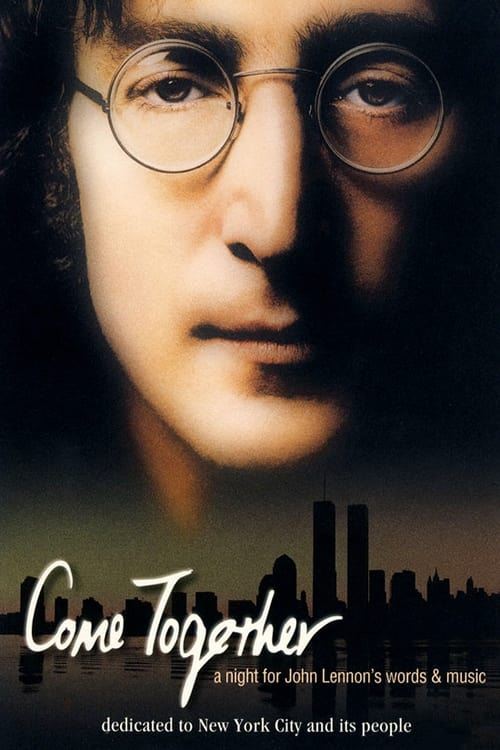
What performances are featured in the film Come Together: A Night for John Lennon's Words & Music?
How does the film incorporate John Lennon's personal life into the performances?
What is the significance of the song 'Imagine' in the film?
Are there any notable collaborations between artists in the film?
How does the film address John Lennon's activism and its impact on his music?
Should I watch it?
Ask Your Own Question

What is the plot?
Sorry, we aren't able to watch and write up a full detailed plot yet. Check back in a few days.
More Movies Like This
Browse All Movies →


What is the ending?
In the ending of "Come Together: A Night for John Lennon's Words & Music," the concert culminates in a powerful tribute to John Lennon, with various artists performing his iconic songs. The event serves as a celebration of Lennon's legacy, emphasizing themes of peace and unity. The performers, including the likes of Alanis Morissette and the Black Eyed Peas, convey deep emotional connections to Lennon's music, reflecting on his impact on their lives and the world. The concert concludes with a sense of hope and togetherness, leaving the audience inspired by Lennon's message.
As the concert progresses towards its conclusion, the atmosphere in the venue becomes increasingly charged with emotion. The stage is adorned with vibrant lights, and the audience is filled with a palpable sense of anticipation. The performers take turns sharing their renditions of Lennon's timeless songs, each one resonating with the crowd in a unique way.
The first significant moment occurs when Alanis Morissette steps onto the stage, her voice soaring as she delivers a heartfelt rendition of "Imagine." The audience is captivated, and many are visibly moved, some even wiping away tears. Morissette's performance is not just a tribute; it is a personal reflection of how Lennon's words have influenced her life. As she sings, the camera captures close-ups of audience members, their expressions ranging from joy to nostalgia, highlighting the deep connection they feel to Lennon's message of peace.
Following Morissette, the Black Eyed Peas take the stage, bringing a contemporary energy to the concert. They perform "Give Peace a Chance," and the crowd erupts in cheers, joining in the chorus. The energy in the room is electric, and the performers encourage the audience to sing along, creating a sense of unity. This moment emphasizes the idea that Lennon's music transcends generations, bringing people together in a shared experience of hope and activism.
As the concert nears its end, the performers gather on stage for a final number. The atmosphere is filled with a sense of camaraderie and collective purpose. They perform "All You Need Is Love," and the audience waves their hands in unison, embodying the very essence of Lennon's message. The camera pans across the crowd, capturing smiles, laughter, and a few more tears, as the realization of the concert's significance sinks in.
In the final moments, the performers express their gratitude to the audience and to John Lennon, acknowledging the impact he has had on their lives and the world. The concert concludes with a powerful visual of the performers holding hands, united in their tribute. The lights dim, and the audience erupts into applause, a fitting end to a night dedicated to celebrating love, peace, and the enduring legacy of John Lennon.
As the credits roll, the fate of the main characters--each performer--remains intertwined with the message of the concert. They leave the stage not just as artists but as ambassadors of Lennon's ideals, inspired to carry forward his vision of a better world. The emotional weight of the evening lingers, leaving both the performers and the audience with a renewed sense of purpose and hope.
Is there a post-credit scene?
"Come Together: A Night for John Lennon's Words & Music" does not feature a post-credit scene. The film is a tribute concert that celebrates the music and legacy of John Lennon, showcasing various artists performing his songs interspersed with reflections on his life and impact. The concert culminates in a powerful finale, but there are no additional scenes or content after the credits roll. The focus remains on honoring Lennon's contributions to music and peace throughout the entirety of the film.
What performances are featured in the film Come Together: A Night for John Lennon's Words & Music?
The film features a variety of performances by notable artists who pay tribute to John Lennon by performing his songs. Artists such as Alanis Morissette, Sheryl Crow, and the Black Eyed Peas take the stage to deliver renditions of Lennon's iconic music, showcasing their unique interpretations and emotional connections to the songs.
How does the film incorporate John Lennon's personal life into the performances?
Throughout the film, there are interspersed segments that reflect on John Lennon's life, including his experiences with The Beatles, his activism, and his relationships. These personal anecdotes and historical context enhance the emotional weight of the performances, allowing the audience to connect the music to Lennon's journey.
What is the significance of the song 'Imagine' in the film?
The song 'Imagine' serves as a central piece in the film, symbolizing Lennon's vision for peace and unity. It is performed by multiple artists, each bringing their own interpretation, which highlights the song's enduring relevance and emotional resonance. The performances evoke a sense of hope and reflection on Lennon's legacy.
Are there any notable collaborations between artists in the film?
Yes, the film features several notable collaborations where artists come together to perform Lennon's songs. These collaborations not only showcase the artists' camaraderie but also emphasize the communal spirit of Lennon's music, as they blend their styles to create unique renditions of his work.
How does the film address John Lennon's activism and its impact on his music?
The film addresses John Lennon's activism by highlighting how his beliefs and political views influenced his songwriting. Through performances of songs like 'Give Peace a Chance' and 'Power to the People,' the film illustrates how Lennon's commitment to social justice and peace was intricately woven into his music, inspiring both the artists performing and the audience.
Is this family friendly?
"Come Together: A Night for John Lennon's Words & Music" is a tribute concert that celebrates the life and music of John Lennon. While the film primarily focuses on music and performances, there are a few aspects that may be considered objectionable or upsetting for children or sensitive viewers.
-
Themes of War and Peace: The concert includes songs that address themes of war, conflict, and social justice, which may be heavy for younger audiences to fully grasp.
-
Emotional Tone: The overall atmosphere can be quite emotional, reflecting on Lennon's life, his struggles, and his untimely death. This might evoke feelings of sadness or nostalgia.
-
References to Personal Struggles: Some performances may touch on personal and societal issues, including love, loss, and the challenges of fame, which could be intense for sensitive viewers.
-
Mature Language: There may be instances of mild language or references that could be deemed inappropriate for younger audiences.
Overall, while the film is a celebration of music and peace, the emotional depth and thematic content may require parental guidance for younger viewers.








