





















Popular
What role does Reinhard Heydrich play in the meeting at Wannsee?
How does Adolf Eichmann contribute to the discussions at the Wannsee Conference?
What is the significance of the character of Dr. Wilhelm Stuckart during the conference?
How does the character of Heinrich Himmler influence the decisions made at the conference?
What internal conflicts do the characters experience during the planning of the Final Solution?
Should I watch it?
Ask Your Own Question

What is the plot?
Sorry, we aren't able to watch and write up a full detailed plot yet. Check back in a few days.






What is the ending?
In the ending of "Conspiracy," the meeting concludes with the Nazi officials agreeing to the implementation of the Final Solution, leading to the systematic extermination of the Jewish population. The film closes with a stark reminder of the atrocities discussed, showing the chilling reality of the Holocaust.
As the film approaches its conclusion, the tension in the room escalates. The setting is a well-appointed villa in Wannsee, Berlin, where high-ranking Nazi officials gather for a conference. The atmosphere is a mix of bureaucratic efficiency and chilling detachment. The camera pans across the faces of the attendees, revealing a range of emotions from cold determination to unsettling enthusiasm.
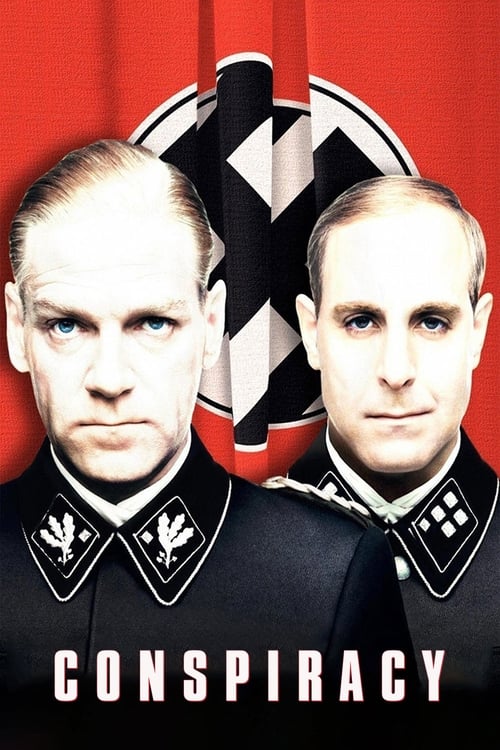
The character of Reinhard Heydrich, played by Kenneth Branagh, stands at the forefront, exuding authority and confidence. He articulates the plan for the Final Solution with a chilling calmness, detailing the logistics of mass extermination. His demeanor is almost clinical, as he discusses the need for a systematic approach to eliminate the Jewish population. The other officials, including Adolf Eichmann, played by David Threlfall, listen intently, some nodding in agreement, while others display a mix of skepticism and eagerness.
As the meeting progresses, the discussions become increasingly macabre. The officials debate the most efficient methods of extermination, weighing the pros and cons of various approaches. The dialogue is laced with euphemisms, as they refer to the mass murder as a "solution" to the "Jewish question." The chilling banter among the men reveals their desensitization to the horror of their plans.
At one point, a dissenting voice emerges in the form of a character who expresses concern about the potential backlash and the moral implications of their actions. However, this voice is quickly silenced by the overwhelming majority who are eager to proceed. The camera captures the tension in the room, highlighting the moral decay of the individuals present.
As the meeting reaches its climax, Heydrich confidently declares that the plan will move forward, and the attendees begin to nod in agreement, their faces reflecting a disturbing mix of resolve and excitement. The final moments of the meeting are marked by a sense of grim finality, as the officials raise their glasses in a toast to the implementation of the Final Solution.
The film concludes with a stark visual juxtaposition, showing the serene setting of the villa against the horrific reality of the Holocaust that would soon unfold. The closing scenes serve as a haunting reminder of the bureaucratic nature of evil, leaving the audience with a chilling sense of the consequences of the decisions made in that room.
In terms of character fates, the film does not delve into the individual outcomes of the officials present at the meeting. Instead, it focuses on the collective decision that leads to the tragic fate of millions. The finality of their agreement signifies a turning point in history, marking the beginning of one of the darkest chapters in human existence. The characters, while portrayed with distinct personalities, ultimately become symbols of the larger machinery of genocide, their individual fates overshadowed by the enormity of their collective actions.
Is there a post-credit scene?
The movie "Conspiracy," produced in 2001, does not have a post-credit scene. The film concludes with the final moments of the historical meeting at the Wannsee Conference, where high-ranking Nazi officials discuss the implementation of the "Final Solution." The film ends on a somber note, reflecting the gravity of the decisions made during the conference, and there are no additional scenes or content after the credits roll. The focus remains on the chilling dialogue and the moral implications of the characters' actions throughout the film.
What role does Reinhard Heydrich play in the meeting at Wannsee?
Reinhard Heydrich, portrayed as a cold and calculating leader, is the main architect of the Final Solution. He convenes the meeting at Wannsee to outline the plan for the systematic extermination of the Jewish population in Europe, demonstrating his authority and commitment to the Nazi agenda.
How does Adolf Eichmann contribute to the discussions at the Wannsee Conference?
Adolf Eichmann, depicted as a bureaucratic and detail-oriented figure, plays a crucial role in the logistics of the Final Solution. He presents the practical aspects of implementing the extermination plan, showcasing his obsession with efficiency and order in the execution of the Nazi policies.
What is the significance of the character of Dr. Wilhelm Stuckart during the conference?
Dr. Wilhelm Stuckart, a legal expert, represents the bureaucratic and legalistic mindset of the Nazi regime. His discussions about the legal implications of the Final Solution reveal the moral justifications the Nazis sought to create for their actions, highlighting the chilling rationalization behind the genocide.
How does the character of Heinrich Himmler influence the decisions made at the conference?
Heinrich Himmler, although not present at the conference, is referenced as a powerful figure whose ideology and directives shape the discussions. His influence looms large over the attendees, as they align their plans with his vision for a racially pure Germany, reflecting the broader Nazi ideology.
What internal conflicts do the characters experience during the planning of the Final Solution?
Throughout the conference, some characters exhibit moments of hesitation or moral conflict regarding the plan. For instance, while most attendees are committed to the Nazi cause, a few express discomfort with the brutality of the proposed actions, revealing the tension between their ideological beliefs and the horrific reality of their plans.
Is this family friendly?
"Conspiracy," produced in 2001, is not considered family-friendly due to its intense and disturbing subject matter. The film depicts the historical events surrounding the Wannsee Conference, where high-ranking Nazi officials discuss the implementation of the Final Solution.
Potentially objectionable or upsetting aspects include:
-
Graphic Discussions of Genocide: The film contains detailed conversations about the systematic extermination of Jews, which may be distressing for children and sensitive viewers.
-
Historical Context of the Holocaust: The portrayal of the Holocaust and the bureaucratic planning of mass murder can be emotionally overwhelming and disturbing.
-
Tense and Confrontational Atmosphere: The film features heated debates and confrontations among characters, which may create a sense of anxiety and discomfort.
-
Moral Ambiguity: The characters exhibit a chilling detachment to the atrocities they discuss, which can provoke strong emotional reactions regarding morality and human rights.
-
Realistic Depictions of Historical Figures: The film presents real historical figures in a context that may be unsettling, as it explores their roles in orchestrating horrific events.
Overall, the film's themes and content are more suitable for mature audiences and may not be appropriate for children or those sensitive to such topics.








