














Popular
What are some key influences on Dario Argento's filmmaking style as discussed in the documentary?
How does Dario Argento describe his approach to horror in the documentary?
What specific films of Dario Argento are highlighted in the documentary, and what aspects are discussed?
How does Argento reflect on his collaborations with other artists in the documentary?
What personal anecdotes does Dario Argento share about his experiences in the film industry?
Should I watch it?
Ask Your Own Question

What is the plot?
Sorry, we aren't able to watch and write up a full detailed plot yet. Check back in a few days.
More Movies Like This
Browse All Movies →



What is the ending?
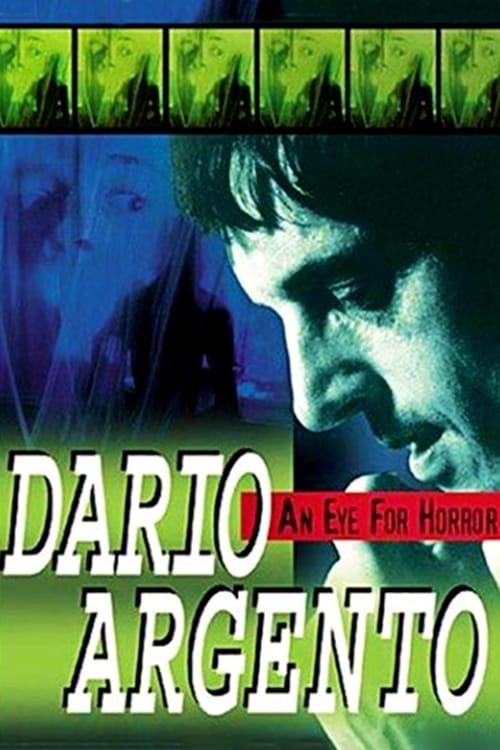
In the documentary "Dario Argento: An Eye for Horror," the ending encapsulates the legacy and impact of Dario Argento's work in the horror genre. The film concludes with reflections from various filmmakers and actors who discuss Argento's influence, showcasing clips from his iconic films. The documentary emphasizes the lasting impression Argento has made on horror cinema, celebrating his unique style and contributions.
As the documentary progresses towards its conclusion, the final scenes feature a montage of Argento's most memorable moments, interspersed with interviews from those who have been inspired by him. The screen fills with vivid imagery from his films, highlighting the artistry and innovation that have defined his career. The emotional weight of the documentary culminates in a sense of reverence for Argento, as the filmmakers express their admiration and gratitude for his pioneering spirit in horror.
In the final moments, the screen fades to black, leaving the audience with a lingering sense of appreciation for the horror genre and the indelible mark that Dario Argento has left on it.
Expanding on the ending in a chronological and narrative fashion:
As the documentary nears its conclusion, the tone shifts to a more reflective and celebratory atmosphere. The screen transitions to a series of clips showcasing Dario Argento's most iconic films, including "Suspiria," "Deep Red," and "Tenebrae." Each clip is carefully selected to highlight the visual style and thematic elements that have become synonymous with Argento's work. The vibrant colors, striking cinematography, and haunting scores create a tapestry of horror that captivates the viewer.
Interviews with prominent filmmakers and actors begin to intersperse with the film clips. They share personal anecdotes about how Argento's work has influenced their own careers. One filmmaker recalls the first time they watched "Suspiria," describing the visceral reaction it elicited and how it inspired them to pursue a career in horror. Another actor reflects on the unique challenges and artistic freedoms that Argento's films provided, emphasizing the importance of creativity in the genre.
As the montage continues, the documentary delves into the emotional impact of Argento's films. The interviews reveal a deep admiration for his ability to evoke fear and beauty simultaneously. The filmmakers discuss the psychological depth of Argento's characters, noting how they often grapple with their own demons, mirroring the struggles of the audience. This connection between the characters and viewers serves to enhance the horror experience, making it more personal and profound.
The final scenes of the documentary focus on Argento himself, showcasing his presence at film festivals and conventions. He is seen interacting with fans, sharing stories about his creative process, and discussing the evolution of horror cinema. The warmth and humility he displays resonate with the audience, reinforcing the idea that his contributions to the genre are not just about the films but also about the community he has fostered.
As the documentary draws to a close, the screen fades to black, and the final words echo the sentiment of gratitude and respect for Argento's legacy. The filmmakers express their hope that future generations will continue to be inspired by his work, ensuring that the spirit of innovation and creativity in horror lives on. The documentary ends on a note of celebration, leaving viewers with a sense of connection to the genre and the man who has shaped it in profound ways.
Is there a post-credit scene?
"Dario Argento: An Eye for Horror," produced in 2001, does not contain a post-credit scene. The documentary focuses on the life and career of the influential Italian filmmaker Dario Argento, exploring his contributions to the horror genre through interviews, film clips, and insights from collaborators and critics. The film concludes without any additional scenes or content after the credits roll, maintaining its focus on Argento's legacy and impact on cinema.
What are some key influences on Dario Argento's filmmaking style as discussed in the documentary?
The documentary explores various influences on Dario Argento's filmmaking, including his childhood experiences, his family's artistic background, and the impact of Italian cinema. It highlights how Argento's early exposure to art and literature shaped his visual storytelling and narrative techniques.
How does Dario Argento describe his approach to horror in the documentary?
In the documentary, Dario Argento articulates his unique approach to horror, emphasizing the importance of visual aesthetics, sound design, and the emotional responses he aims to evoke in the audience. He discusses how he uses color and music to enhance the psychological impact of his films.
What specific films of Dario Argento are highlighted in the documentary, and what aspects are discussed?
The documentary highlights several of Argento's key films, including 'Suspiria,' 'Deep Red,' and 'The Bird with the Crystal Plumage.' It discusses the innovative techniques he employed in these films, such as the use of vibrant colors, intricate camera movements, and the integration of music to create tension and atmosphere.
How does Argento reflect on his collaborations with other artists in the documentary?
Dario Argento reflects on his collaborations with various artists, including composer Goblin and cinematographer Luciano Tovoli. He discusses how these partnerships contributed to the distinct style of his films and the creative synergy that emerged from their shared vision.
What personal anecdotes does Dario Argento share about his experiences in the film industry?
Throughout the documentary, Dario Argento shares personal anecdotes about his journey in the film industry, including challenges he faced, memorable moments from his career, and his relationships with other filmmakers. These stories provide insight into his passion for cinema and the evolution of his artistic vision.
Is this family friendly?
"Dario Argento: An Eye for Horror" is a documentary that delves into the life and work of the renowned Italian filmmaker Dario Argento, known for his contributions to the horror genre. While the film is not a traditional narrative feature, it contains several elements that may not be suitable for children or sensitive viewers.
-
Graphic Violence: The documentary discusses and showcases clips from Argento's films, which often feature graphic violence and disturbing imagery. This may be unsettling for younger audiences.
-
Horror Themes: The film explores themes of fear, death, and psychological terror, which could be distressing for children or those sensitive to horror content.
-
Mature Language: There may be instances of strong language or adult themes discussed in the context of Argento's work and the horror genre.
-
Depictions of Death: The documentary includes discussions about death and murder, which are central to many of Argento's films, potentially causing discomfort.
-
Psychological Distress: The exploration of the psychological aspects of horror and the impact of Argento's films on audiences may be intense for some viewers.
Overall, due to its focus on horror and the nature of Argento's work, the documentary is more suited for mature audiences rather than children or those who are easily upset by such content.







