














Popular
Who are the main dancers featured in Etoiles: Dancers of the Paris Opera Ballet?
What specific challenges do the dancers face in their pursuit of excellence?
How does the film depict the relationship between the dancers and their choreographers?
What role does the Paris Opera Ballet itself play in the lives of the dancers?
How do the dancers express their emotions through their performances in the film?
Should I watch it?
Ask Your Own Question

What is the plot?
Sorry, we aren't able to watch and write up a full detailed plot yet. Check back in a few days.
More Movies Like This
Browse All Movies →







What is the ending?
In the ending of "Etoiles: Dancers of the Paris Opera Ballet," the film culminates in a series of performances showcasing the dancers' hard work and dedication. The final scenes highlight the emotional and physical toll of ballet, as well as the triumphs and challenges faced by the dancers. Each dancer reflects on their journey, culminating in a powerful display of artistry and passion.
As the film progresses towards its conclusion, the atmosphere in the Paris Opera Ballet becomes charged with anticipation. The dancers prepare for their final performances, each grappling with their own emotions and aspirations. The camera captures the intensity of their rehearsals, showcasing the rigorous training and the sacrifices they have made for their art.
The first significant scene in the ending features the lead dancers, including the talented and ambitious étoiles, as they take the stage for a highly anticipated performance. The audience is captivated by their grace and skill, and the dancers pour their hearts into each movement. The performance serves as a culmination of their hard work, and the emotional weight of their journey is palpable.
Following the performance, the dancers are met with thunderous applause, a testament to their dedication and talent. The joy of the moment is mixed with the underlying tension of the competitive nature of ballet. Each dancer reflects on their personal journey, revealing their hopes and fears. The film captures their vulnerability, showcasing the emotional stakes involved in their pursuit of excellence.
In the final scenes, the dancers are seen celebrating their achievements, but there is also a sense of uncertainty about the future. The film closes with a montage of the dancers, highlighting their individual paths and the sacrifices they have made. Some dancers express a desire to continue pushing their limits, while others contemplate the toll that ballet has taken on their lives.
The fate of the main characters is left somewhat open-ended, reflecting the ongoing nature of their journeys. The film emphasizes the beauty and pain of ballet, leaving the audience with a sense of admiration for the dancers and their relentless pursuit of perfection. Each character's story resonates with the themes of ambition, sacrifice, and the pursuit of art, encapsulating the essence of their experiences within the world of ballet.
Is there a post-credit scene?
"Etoiles: Dancers of the Paris Opera Ballet" does not contain a post-credit scene. The film focuses on the lives and careers of the principal dancers of the Paris Opera Ballet, showcasing their dedication, artistry, and the rigorous demands of their profession. The narrative concludes with a celebration of their performances and the emotional journeys they undertake, leaving the audience with a profound appreciation for the world of ballet rather than any additional scenes after the credits.
Who are the main dancers featured in Etoiles: Dancers of the Paris Opera Ballet?
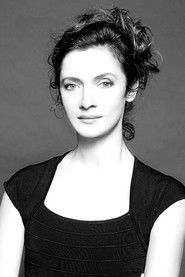
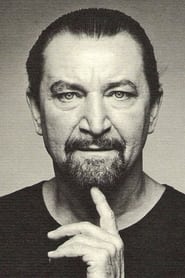
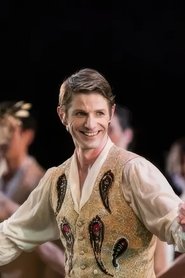
The film features several prominent dancers from the Paris Opera Ballet, including the celebrated étoile dancers such as Aurélie Dupont, José Martinez, and Manuel Legris, showcasing their artistry and dedication to ballet.
What specific challenges do the dancers face in their pursuit of excellence?
The dancers in the film confront various challenges, including the physical demands of ballet, the pressure to perform at a high level, and the emotional toll of competition and personal sacrifices, which are vividly portrayed through their rehearsals and performances.
How does the film depict the relationship between the dancers and their choreographers?
The film illustrates a complex dynamic between the dancers and their choreographers, highlighting moments of tension, collaboration, and artistic vision, as the dancers strive to interpret and embody the choreographers' intentions in their performances.
What role does the Paris Opera Ballet itself play in the lives of the dancers?
The Paris Opera Ballet serves as both a prestigious institution and a demanding environment for the dancers, representing their dreams and aspirations while also imposing rigorous standards that challenge their physical and emotional limits.
How do the dancers express their emotions through their performances in the film?
The dancers convey a wide range of emotions through their performances, using their physicality and artistry to express joy, struggle, passion, and vulnerability, which are captured in intimate rehearsal scenes and breathtaking stage performances.
Is this family friendly?
"Etoiles: Dancers of the Paris Opera Ballet" is a documentary that provides an intimate look at the lives and careers of the principal dancers of the Paris Opera Ballet. The film primarily focuses on the artistry, dedication, and challenges faced by these dancers, showcasing their performances and the rigorous training involved in ballet.
While the film is largely family-friendly, there are a few aspects that might be considered potentially objectionable or upsetting for children or sensitive viewers:
-
Physical Strain and Injury: The documentary candidly depicts the physical demands of ballet, including the risk of injury. There are scenes where dancers discuss their struggles with pain and the toll that their profession takes on their bodies.
-
Emotional Struggles: The dancers share their personal experiences, which may include feelings of anxiety, pressure to perform, and the emotional highs and lows associated with their careers. This introspection might be intense for younger viewers.
-
Competitive Nature: The film highlights the competitive environment within the ballet world, which may include discussions about rivalry and the stress of auditions. This aspect could be unsettling for some viewers who are sensitive to themes of competition and rejection.
Overall, while the film is a celebration of ballet and the dedication of its dancers, it does touch on serious themes that may require parental guidance for younger audiences.








