


















No Image
Popular
What motivates Cezary Baryka to return to Poland after living in Russia?
How does Cezary's relationship with his mother influence his character development?
What role does the character of Jadwiga play in Cezary's life?
How does Cezary's experience in the Polish countryside affect his worldview?
What internal conflicts does Cezary face regarding his political beliefs throughout the film?
Should I watch it?
Ask Your Own Question

What is the plot?
Sorry, we aren't able to watch and write up a full detailed plot yet. Check back in a few days.
More Movies Like This
Browse All Movies →

What is the ending?
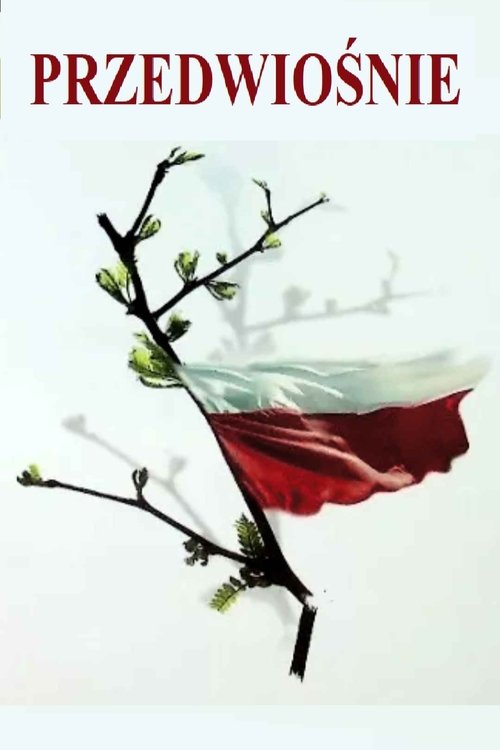
In the ending of "Przedwiośnie," the protagonist, Cezary Baryka, finds himself at a crossroads in his life, grappling with his identity and the political turmoil surrounding him. He ultimately decides to embrace the revolutionary spirit of the time, symbolizing hope for a new future. The film concludes with a sense of uncertainty, reflecting the complexities of the characters' lives and the socio-political landscape of post-World War I Poland.
As the film approaches its conclusion, we see Cezary Baryka, played by the talented actor, standing at a pivotal moment in his life. The atmosphere is charged with tension as he navigates the streets of a war-torn Poland, a country struggling to find its identity after the chaos of World War I. The camera captures the desolation around him, with crumbling buildings and a populace weary from conflict. Cezary's internal conflict is palpable; he is torn between his aristocratic heritage and the revolutionary ideals that are beginning to take root in his heart.
In a series of poignant scenes, Cezary interacts with various characters who represent different facets of Polish society. He meets with his father's old friends, who reminisce about the past, evoking a sense of nostalgia and loss. Their conversations are laced with a longing for a Poland that once was, contrasting sharply with the harsh realities of the present. Cezary listens intently, his face a canvas of emotions--confusion, anger, and a flicker of hope.
As the political climate intensifies, Cezary becomes increasingly involved in the revolutionary movement. He attends meetings where passionate speeches are made, igniting a fire within him. The cinematography captures the fervor of the crowd, their faces illuminated by the flickering light of torches, symbolizing the burning desire for change. Cezary's eyes reflect a growing determination; he is no longer just a passive observer but an active participant in the fight for a new Poland.
In a climactic scene, Cezary confronts his own beliefs and the expectations placed upon him by his family and society. He stands before a group of revolutionaries, his heart racing as he delivers a speech that encapsulates his journey. The camera zooms in on his face, revealing the depth of his conviction. He speaks of hope, unity, and the need for a new beginning, resonating with those around him. The crowd erupts in applause, and for a moment, Cezary feels a sense of belonging and purpose.
However, the ending does not provide a clear resolution. As the film draws to a close, we see Cezary walking through the streets once more, the weight of his choices heavy on his shoulders. The landscape around him is still marred by conflict, and the uncertainty of the future looms large. He pauses, looking out over the city, a mixture of determination and doubt etched on his face. The final shot lingers on him, capturing the essence of a man caught between the past and the future, embodying the struggles of a nation in transition.
The fates of the main characters are intertwined with Cezary's journey. His mother, who represents the old world, remains a distant figure, her ideals clashing with the new reality. His father's legacy haunts him, pushing him to seek a path that honors both his heritage and the aspirations of his generation. The film closes without definitive answers, leaving the audience to ponder the complexities of identity, belonging, and the relentless pursuit of a better tomorrow.
Is there a post-credit scene?
The movie "Przedwiośnie," produced in 2001, does not contain a post-credit scene. The film concludes its narrative without any additional scenes or content after the credits roll. The story wraps up with a focus on the main character, Cezary Baryka, and his journey through the tumultuous political landscape of early 20th-century Poland, leaving the audience to reflect on the themes of hope, disillusionment, and the search for identity.
What motivates Cezary Baryka to return to Poland after living in Russia?
Cezary Baryka, the protagonist, is motivated to return to Poland after the death of his father, who had been a Polish patriot. His father's dying wish and the desire to connect with his Polish roots drive him back to a homeland he has never truly known.
How does Cezary's relationship with his mother influence his character development?
Cezary's relationship with his mother, who is a strong and independent woman, shapes his views on love and loyalty. Her struggles and sacrifices instill in him a sense of responsibility, yet also create a conflict within him as he grapples with his identity and the expectations placed upon him.
What role does the character of Jadwiga play in Cezary's life?
Jadwiga serves as a pivotal figure in Cezary's life, representing both love and the complexities of social class. Their relationship is marked by passion and tension, as Cezary's revolutionary ideals clash with Jadwiga's more pragmatic views, ultimately influencing his political awakening.
How does Cezary's experience in the Polish countryside affect his worldview?
Cezary's time in the Polish countryside exposes him to the stark realities of rural life and the struggles of the peasantry. This experience broadens his perspective, challenging his previously held beliefs and igniting a sense of social responsibility that propels him toward political activism.
What internal conflicts does Cezary face regarding his political beliefs throughout the film?
Cezary grapples with internal conflicts regarding his political beliefs as he navigates between his idealistic visions of revolution and the harsh realities of the socio-political landscape in Poland. His encounters with various characters force him to confront the complexities of loyalty, betrayal, and the consequences of his actions.
Is this family friendly?
"Przedwiośnie," produced in 2001, is a film that explores complex themes and contains several elements that may not be suitable for children or sensitive viewers. Here are some potentially objectionable or upsetting aspects:
-
Violence and War: The film is set against the backdrop of political turmoil and war, which includes scenes depicting violence and the impact of conflict on individuals and families.
-
Death and Loss: Characters experience significant loss, including the death of loved ones, which can be emotionally heavy and distressing.
-
Social Injustice: The film addresses themes of poverty, social inequality, and the struggles of the lower classes, which may be difficult for younger audiences to fully comprehend.
-
Emotional Turmoil: Characters grapple with deep emotional pain, identity crises, and existential questions, which may be intense for sensitive viewers.
-
Mature Themes: The narrative includes discussions of political ideologies, betrayal, and moral dilemmas that may not resonate with younger audiences.
These elements contribute to the film's serious tone and may require parental discretion for younger viewers.








