




Popular
What role does the setting play in the development of the story?
What motivates the character Dragon Eye Morrison in Electric Dragon 80000V?
How does the character Thunderbolt Buddha relate to Dragon Eye Morrison?
What is the significance of the electric battles between Dragon Eye Morrison and Thunderbolt Buddha?
How does the film visually represent the concept of electricity?
Should I watch it?
Ask Your Own Question

What is the plot?
Sorry, we aren't able to watch and write up a full detailed plot yet. Check back in a few days.


What is the ending?
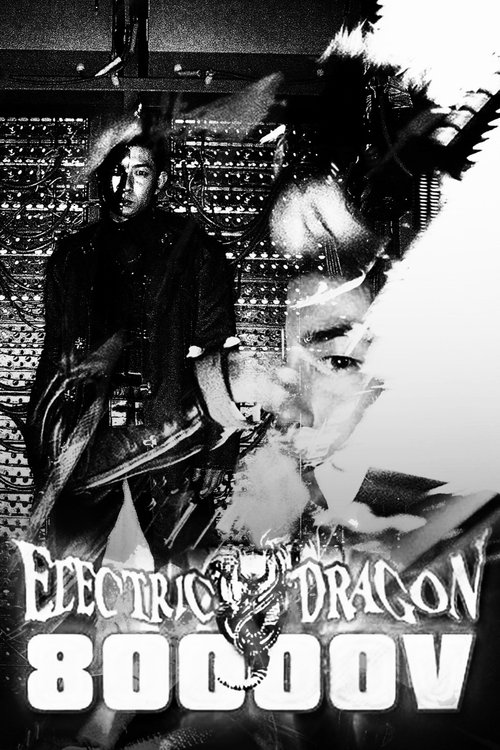
In the ending of "Electric Dragon 80000V," the climactic battle between the two main characters, Dragon Eye Morrison and Thunderbolt Buddha, reaches its peak. After an intense confrontation filled with electric energy and raw power, Morrison ultimately defeats Buddha. The film concludes with Morrison standing victorious, but the victory is bittersweet, as he is left to contemplate the consequences of their battle and the nature of their existence.
As the final scenes unfold, the atmosphere is charged with tension and electricity. The setting is a desolate urban landscape, where the remnants of their fierce battle linger in the air. Dragon Eye Morrison, a man who has embraced his electric powers, stands amidst the debris, his body crackling with energy. He is a figure of raw intensity, embodying both the thrill and the burden of his abilities. His eyes reflect a mix of triumph and sorrow, as he realizes the cost of his victory.
Thunderbolt Buddha, his rival, lies defeated on the ground. The once-mighty figure, who had also harnessed electric powers, is now vulnerable and weakened. Morrison approaches him, their eyes locking in a moment of understanding. There is a palpable tension in the air, as both characters have been driven by their own motivations--Morrison seeking to assert his power and Buddha embodying a more chaotic force. The battle was not just a physical confrontation but a clash of ideologies, each character representing different aspects of power and existence.
As Morrison stands over Buddha, he reflects on the nature of their conflict. The electric energy that once fueled their fight now seems to dissipate, leaving behind a haunting silence. Morrison's victory feels hollow; he has triumphed over his rival, yet he is left with the weight of what that victory means. The film captures this moment with a lingering shot of Morrison, his expression a mix of relief and contemplation, as he grapples with the implications of his actions.
In the final moments, Morrison walks away from the scene, leaving Buddha behind. The camera lingers on Buddha, who is now a shadow of his former self, embodying the consequences of their battle. The film closes with a sense of ambiguity, leaving the audience to ponder the fates of both characters. Morrison's journey is one of power and isolation, while Buddha's defeat serves as a reminder of the destructive nature of their conflict.
Ultimately, the ending of "Electric Dragon 80000V" encapsulates the themes of power, rivalry, and the personal cost of conflict. Morrison's victory is bittersweet, and the film leaves viewers with a haunting reflection on the nature of existence and the choices that define us.
Is there a post-credit scene?
Electric Dragon 80000V does not have a post-credit scene. The film concludes with its intense and surreal narrative, leaving the audience with a sense of finality as the story wraps up. The focus remains on the main characters, Dragon Eye Morrison and Thunderbolt Buddha, and their climactic confrontation, which serves as the culmination of their electric-powered battle. The film's unique style and themes are encapsulated within its main runtime, without any additional scenes after the credits.
What role does the setting play in the development of the story?
The setting of Electric Dragon 80000V, primarily in an urban landscape filled with neon lights and industrial elements, plays a crucial role in shaping the narrative. The gritty, chaotic environment reflects the inner turmoil of the characters and their connection to electricity. The urban backdrop serves as both a battleground and a canvas for their electric powers, amplifying the film's themes of isolation and the search for identity.
What motivates the character Dragon Eye Morrison in Electric Dragon 80000V?
Dragon Eye Morrison, portrayed by Tadanobu Asano, is driven by a deep-seated desire for power and a connection to electricity. His character is depicted as a solitary figure who embraces his electric abilities, using them as a means to assert his identity and confront his inner demons. His motivations are rooted in a quest for self-discovery and the thrill of harnessing his electric powers.
How does the character Thunderbolt Buddha relate to Dragon Eye Morrison?
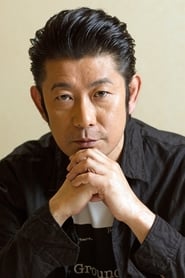
Thunderbolt Buddha, played by Masatoshi Nagase, serves as both a rival and a reflection of Dragon Eye Morrison. Their relationship is complex, marked by a shared obsession with electricity and power. Thunderbolt Buddha embodies a more chaotic and destructive approach to their abilities, contrasting with Morrison's more introspective nature. Their encounters are charged with tension, as they push each other to confront their limits.
What is the significance of the electric battles between Dragon Eye Morrison and Thunderbolt Buddha?
The electric battles between Dragon Eye Morrison and Thunderbolt Buddha symbolize their internal struggles and the clash of their philosophies regarding power. Each confrontation is visually striking, showcasing their unique abilities and the emotional stakes involved. These battles serve as a cathartic release for both characters, allowing them to confront their fears and desires while also representing the broader theme of the struggle for dominance.
How does the film visually represent the concept of electricity?
Electric Dragon 80000V employs a vivid and surreal visual style to represent electricity, using dynamic camera movements, vibrant colors, and striking special effects. The electric powers of the characters are depicted through intense visual sequences, with sparks, flashes, and electric arcs that create a visceral experience. This representation enhances the emotional intensity of the characters' struggles and their connection to their powers.
Is this family friendly?
"Electric Dragon 80000V" is not considered family-friendly due to its intense and unconventional themes. The film features several potentially objectionable aspects, including:
- Violence: There are scenes of physical confrontations and aggressive behavior that may be disturbing to younger viewers.
- Dark Themes: The narrative explores themes of isolation, obsession, and existential angst, which may be unsettling for sensitive audiences.
- Graphic Imagery: The film includes surreal and abstract visuals that can be jarring or confusing, particularly for children.
- Strong Language: There are instances of profanity that may not be suitable for younger audiences.
- Adult Situations: The film contains elements that may be inappropriate for children, including suggestive themes.
Overall, the film's unique style and content may not be suitable for children or those who are sensitive to intense or dark material.









