
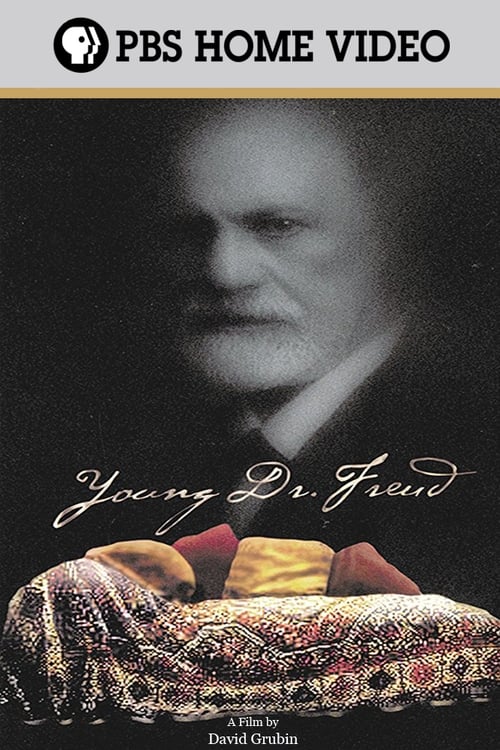





Popular
What challenges does young Freud face in his early career as a doctor?
How does Freud's relationship with his family influence his work?
What role does Freud's friendship with Wilhelm Fliess play in the story?
How does the film portray Freud's first encounters with patients?
What specific events lead Freud to develop his theories on dreams?
Should I watch it?
Ask Your Own Question

What is the plot?
Sorry, we aren't able to watch and write up a full detailed plot yet. Check back in a few days.







What is the ending?
In the ending of "Young Dr. Freud," Sigmund Freud faces the culmination of his struggles with his own theories and the impact they have on his relationships. He confronts the emotional turmoil surrounding his family and his patients, ultimately leading to a deeper understanding of himself and his work. The film concludes with Freud's realization of the importance of human connection and the complexities of the human psyche.
As the final scenes unfold, we see Freud grappling with the weight of his ideas and the consequences they have on those around him. He is depicted in a moment of introspection, reflecting on his journey and the relationships that have shaped him. The film closes with a sense of resolution, as Freud acknowledges the challenges he faces but also embraces the path he has chosen.
The ending of "Young Dr. Freud" begins with a poignant scene in Freud's office, where he sits alone, surrounded by the remnants of his work. The walls are lined with books and papers, a testament to his relentless pursuit of understanding the human mind. The atmosphere is heavy with the weight of his thoughts, and the camera lingers on his face, capturing the conflict within him. He is torn between his groundbreaking theories and the emotional toll they have taken on his personal life.
In the next scene, Freud's wife, Martha, enters the room. Her expression is one of concern, and she gently urges him to take a break from his work. Freud, however, is consumed by his thoughts, feeling the pressure of his responsibilities as a husband, father, and pioneer in the field of psychology. He struggles to balance his dedication to his patients with the needs of his family, and this internal conflict is palpable.
As the narrative progresses, we see Freud interacting with his patients, each session revealing the complexities of their struggles. One patient, a young woman grappling with her own identity, mirrors Freud's own journey. Their conversations are filled with tension and vulnerability, highlighting Freud's growing understanding of the human condition. He begins to realize that his theories, while revolutionary, cannot fully encapsulate the depth of human experience.
The climax of the film occurs when Freud is confronted by a former patient who challenges his ideas. This confrontation forces Freud to reevaluate his beliefs and the impact they have on those he seeks to help. The emotional intensity of this scene is heightened by the close-up shots of Freud's face, revealing his inner turmoil and the dawning realization that he must reconcile his theories with the realities of human emotion.
In the final moments, Freud returns home to his family. The warmth of the domestic setting contrasts sharply with the coldness of his office. He finds Martha and their children gathered around the dinner table, laughter and love filling the air. This scene serves as a powerful reminder of the importance of connection and the support of loved ones. Freud's expression softens as he watches his family, and for the first time, he seems at peace with his choices.
The film concludes with Freud embracing his family, a symbolic gesture of acceptance and understanding. He acknowledges the challenges ahead but is determined to continue his work with a renewed sense of purpose. The final shot lingers on Freud's face, a mixture of resolve and vulnerability, as he steps into the future, ready to face the complexities of both his personal and professional life.
In summary, the fates of the main characters are intertwined in this resolution. Freud emerges with a deeper understanding of himself and the importance of human connection, while Martha and the children represent the emotional anchor he needs. The film closes on a note of hope, suggesting that while the journey of self-discovery is fraught with challenges, it is ultimately a path worth pursuing.
Is there a post-credit scene?
The movie "Young Dr. Freud," produced in 2002, does not contain a post-credit scene. The film concludes its narrative without any additional scenes or content after the credits roll. The story wraps up with a focus on the early life and formative experiences of Sigmund Freud, emphasizing his development as a pioneering figure in psychology. The ending leaves viewers with a sense of closure regarding Freud's journey and the challenges he faced in his early career.
What challenges does young Freud face in his early career as a doctor?
In 'Young Dr. Freud', the young Sigmund Freud grapples with the challenges of establishing himself in the medical field. He faces skepticism from his peers regarding his innovative ideas about the mind and the treatment of mental illness. Freud's determination to explore the unconscious mind leads him to confront both professional and personal obstacles, including the resistance from traditional medical practices and the societal norms of his time.
How does Freud's relationship with his family influence his work?
Freud's relationship with his family, particularly with his father, plays a significant role in shaping his character and his theories. The film depicts moments of tension and conflict, as Freud's desire to break away from his father's expectations and pursue his own path in medicine creates emotional turmoil. This familial dynamic is crucial in understanding Freud's motivations and the development of his psychoanalytic theories.
What role does Freud's friendship with Wilhelm Fliess play in the story?
Freud's friendship with Wilhelm Fliess is central to the narrative, showcasing a deep intellectual bond that influences Freud's early theories. Their discussions about sexuality and the unconscious mind push Freud to explore new ideas, but the friendship also faces strain as their differing views emerge. This relationship highlights Freud's journey of self-discovery and the evolution of his thoughts on psychoanalysis.
How does the film portray Freud's first encounters with patients?
The film vividly depicts Freud's initial encounters with patients, showcasing his empathetic approach and the challenges he faces in understanding their psychological issues. These scenes are filled with emotional intensity, as Freud listens to their stories, often reflecting his own struggles and fears. The interactions serve as a catalyst for his developing theories, illustrating the profound impact of these early experiences on his future work.
What specific events lead Freud to develop his theories on dreams?
In 'Young Dr. Freud', specific events, including his own dreams and the analysis of his patients' dreams, lead Freud to develop his theories on the significance of dreams. The film portrays a pivotal moment when Freud experiences a particularly vivid dream that prompts him to consider the deeper meanings behind dreams. This exploration becomes a cornerstone of his later work, emphasizing the connection between the unconscious mind and dream interpretation.
Is this family friendly?
"Young Dr. Freud," produced in 2002, is a biographical drama that explores the early life of Sigmund Freud. While the film delves into significant themes related to psychology, family dynamics, and societal norms of the time, it does contain elements that may be considered objectionable or upsetting for children or sensitive viewers.
-
Themes of Mental Illness: The film addresses mental health issues, including the struggles of patients, which may be distressing for some viewers.
-
Family Conflict: There are scenes depicting familial tensions and conflicts, particularly between Freud and his father, which may evoke strong emotions.
-
Sexuality and Relationships: The film touches on Freud's theories related to sexuality and includes discussions about intimate relationships, which may not be suitable for younger audiences.
-
Historical Context: The portrayal of societal attitudes towards mental health and sexuality in the late 19th century may be unsettling, as it reflects a time of significant stigma and misunderstanding.
-
Emotional Struggles: Characters experience deep emotional turmoil, including anxiety and despair, which could be upsetting for sensitive viewers.
Overall, while the film is rich in historical and psychological insights, its mature themes and emotional depth may not be appropriate for all audiences, particularly children.