






Popular
How does the relationship between Billy and his mother evolve throughout the film?
What motivates the main character, a young boy, to embark on the journey in Dakota Express?
What challenges does Billy face during his journey on the Dakota Express?
Who are the key supporting characters that help or hinder Billy on his journey?
What is the significance of the Dakota Express train in the story?
Should I watch it?
Ask Your Own Question

What is the plot?
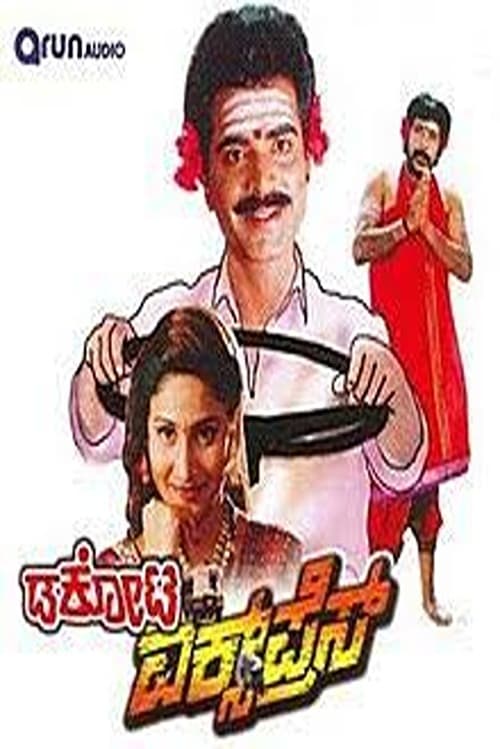
Krishna lives in near-constant battle with a broken-down old bus called Dakota Express, and the film opens in the cramped, worn world he shares with his only true companion, Sundar. Their days are shaped by mechanical failure, money trouble, and the humiliating necessity of pawning or selling whatever they can just to keep the bus moving. The bus itself feels like a character: rattling, unreliable, and barely holding together, yet stubbornly carrying the dreams of the two men who depend on it. Krishna keeps trying to preserve both the vehicle and his dignity, but every small solution only buys him a little more time before the next breakdown. The atmosphere is one of comic hardship, but underneath the humor is real desperation, because this bus is not just transport; it is their livelihood, their home, and the center of their world.
Sundar, meanwhile, is Krishna's constant sidekick in these opening struggles, and the film leans into the absurdity of their misfortune with one especially memorable gag: a mouse becomes a tiny but disruptive antagonist when it eats Sundar's passport. What begins as a ridiculous inconvenience turns into a full-blown chase, and the comedy of the moment underlines how little control the men have over their own lives. Even their documents, possessions, and plans seem vulnerable to random chaos. The bus groans on, the men scramble after the mouse, and the story settles into a rhythm of failure, improvisation, and rueful laughter.
That uneasy balance changes when Gayathri enters their lives. She appears first as a nomadic passenger who climbs aboard the Dakota Express and brings a different energy into the cramped space of the bus. Her presence immediately shifts the emotional center of the film, because she is not merely another traveler; she is a woman on the run, carrying a hidden identity and a private crisis that slowly emerges in fragments. Krishna and Sundar initially see her as an unexpected guest, but her arrival awakens something in Krishna almost at once. The contrast between her and the shabby bus is striking: she brings youth, mystery, and elegance into a world of grease, rust, and struggle. Their small, struggling life suddenly contains the possibility of romance, change, and a future beyond mere survival.
The truth about Gayathri comes out soon enough. She is the daughter of a minister, and she has fled home because her father is forcing her toward a political future she does not want and arranging her marriage to another man. Her flight is not impulsive rebellion for its own sake; it is a desperate attempt to escape a life being planned for her by someone else. The revelation reframes everything about her behavior. What seemed like a simple journey is actually a flight from authority, obligation, and family power. Her travel with Krishna and Sundar becomes a temporary refuge, a short interval of freedom inside the battered bus as she moves farther away from the world that wants to control her. The film uses this disclosure to deepen the stakes: she is not just a romantic interest but a young woman caught between obedience and selfhood.
For a brief time, the Dakota Express becomes a shelter for that freedom. Krishna is drawn to Gayathri, and the emotional undercurrent between them grows stronger as they spend time together. The story does not present this as flashy romance; it unfolds through small looks, quiet conversations, and the intimacy of shared travel. Krishna, who has spent so much energy fighting poverty and mechanical disaster, begins to imagine a different life through her. Gayathri's presence gives purpose to his struggle, but it also intensifies the fragility of the moment, because everyone knows it cannot last. The bus is a temporary haven, and the outside world is already closing in.
That pressure arrives in the form of the police, who trace Gayathri and take her back to her family. The forced return is a major turning point, because it tears her away from the one place where she has been able to breathe freely. The scene carries the emotional weight of a rescue that is not really a rescue at all. To the authorities, she is being restored to order; to Krishna, she is being stolen away. The removal of Gayathri leaves an emptiness behind that changes the tone of the whole film. The comic struggles with the bus are still there, but now they are shadowed by loss. Krishna is no longer just trying to keep Dakota Express running. He is also dealing with the sudden realization that the woman who entered his life by accident has become essential to him.
Only after Gayathri is taken away does Krishna fully understand how deeply he has fallen in love with her. The film makes this emotional shift clear: what began as curiosity and attraction hardens into a conviction that he cannot live without her. The line of feeling is simple but powerful. Her absence reveals the scale of his attachment, and the story pivots from accidental romance into determined pursuit. Krishna is no longer content to watch fate carry her away. He wants her back, and that desire gives the second half of the film its momentum. His struggle is no longer purely economic or mechanical; it becomes personal, risky, and openly emotional.
Krishna and Sundar then decide to secretly enter Gayathri's house, a bold move that shifts the story from the bus and the road into the enclosed, guarded space of family power. This infiltration is the film's key confrontation sequence, because it puts the two improvised outsiders directly against the social and political authority embodied by Gayathri's father, the minister. The men's secret entry carries the sense of a desperate gamble. They are no longer merely surviving on the margins; they are pushing into the center of the conflict, crossing a line in the hope of changing the outcome. The house itself stands in contrast to the bus: ordered, protected, and controlled, but also emotionally cold and burdened by authority.
The minister's opposition is grounded in his insistence on steering Gayathri's life into politics and marriage according to his will. That pressure is the core secret and conflict behind her flight, and it becomes the obstacle Krishna has to overcome. Rather than accept the family's authority, Krishna chooses persistence and courage. The film does not dwell on formal battle or violence; instead, the tension lies in whether honest feeling and determination can break through rigid parental control. Krishna's intrusion into the house is both practical and symbolic. He is literally entering the space from which Gayathri was taken, and emotionally he is forcing the family to confront the reality of her feelings and his own.
The climax resolves this struggle when Krishna manages to win the heart of Gayathri's father. That outcome is the film's final twist and its happy resolution: the very authority that seemed to block the romance ultimately yields to Krishna's sincerity. The ending does not present victory as conquest but as persuasion. Krishna's love, persistence, and moral seriousness prevail where force would not. The minister's approval closes the conflict that began with Gayathri's rebellion and the police taking her away. The arranged marriage loses its power, the political path imposed on her is no longer the only future available, and the lovers are allowed a path forward together.
The final mood is one of relief after prolonged absurdity and hardship. The old Dakota Express, which has carried the story through money problems, breakdowns, comic misfortune, and emotional upheaval, remains the symbolic backbone of the film. It begins as a failing machine and ends as the unlikely vessel that brought Krishna and Gayathri into each other's lives. Sundar, who has been with Krishna through every setback and every ridiculous detour, is part of that resolution too, though the emotional closure centers on Krishna and Gayathri's relationship. By the end, the story has moved from survival to romance, from accident to purpose, and from opposition to acceptance. The lovers' future is secure because the father has been won over, and the film closes on the satisfaction of a conflict that finally finds peace.
There are no confirmed deaths in the available plot information, and the story's major dramatic turns are all driven by separation, concealment, pursuit, and reconciliation rather than fatal violence. The narrative ends as a comedy-drama with a happy resolution, leaving behind the image of two men who began with nothing but a broken bus and a string of misfortunes, yet still manage to carry the story to a hopeful conclusion.






What is the ending?
In the ending of "Dakota Express," the main characters confront their pasts and the choices they have made. The film culminates in a tense standoff that leads to a resolution of their conflicts, ultimately allowing them to find a sense of closure and hope for the future.
As the film approaches its conclusion, the tension builds. The characters, having faced numerous challenges throughout their journey, find themselves at a crossroads. The protagonist, a determined individual seeking redemption, must confront the antagonist, who represents the darker aspects of their shared history. This confrontation is not just physical but deeply emotional, as it forces both characters to reckon with their past decisions and the impact they have had on their lives and the lives of others.
In the final scenes, the protagonist makes a choice that reflects their growth and understanding of the importance of forgiveness and moving forward. This decision leads to a resolution that allows for healing, not just for themselves but for those around them. The film closes on a hopeful note, suggesting that while the past cannot be changed, the future holds the possibility of redemption and new beginnings.
Now, let's delve into the ending in a more detailed, chronological narrative.
As the sun begins to set over the vast Dakota landscape, the atmosphere is thick with tension. The protagonist, a rugged yet introspective figure, stands at the edge of a dusty road, contemplating the choices that have led them to this moment. The weight of their past hangs heavily on their shoulders, and the emotional turmoil is palpable. They are determined to confront the antagonist, a figure shrouded in darkness, whose actions have caused pain and suffering.
The scene shifts to a dilapidated barn, where the final confrontation is set to take place. The protagonist enters cautiously, their heart racing as they scan the dimly lit interior. Shadows dance across the walls, mirroring the internal struggle they face. The antagonist, waiting in the shadows, emerges with a menacing presence, embodying the fears and regrets that have haunted the protagonist.
Words are exchanged, each laden with the history of betrayal and loss. The protagonist's voice trembles with a mix of anger and sorrow as they confront the antagonist about the choices that have led to their current predicament. The antagonist, defensive yet vulnerable, reveals their own pain, shedding light on the motivations behind their actions. This moment of raw honesty creates a charged atmosphere, as both characters grapple with their shared past.
As the confrontation escalates, it becomes clear that this is not just a battle of wills but a fight for redemption. The protagonist, fueled by a newfound sense of purpose, makes a pivotal decision. Instead of seeking revenge, they extend an olive branch, offering forgiveness. This act of compassion catches the antagonist off guard, and for a moment, the tension dissipates, replaced by a flicker of hope.
The antagonist, faced with the opportunity for redemption, hesitates. The internal conflict is evident as they weigh the possibility of change against the weight of their past actions. In a moment of clarity, they accept the protagonist's offer, leading to a powerful emotional release. The two characters, once adversaries, find common ground in their shared humanity.
As the scene unfolds, the sun breaks through the clouds, casting a warm glow over the barn. This visual transformation symbolizes the shift in their relationship and the potential for healing. The protagonist and antagonist, now united in their quest for redemption, step out of the barn together, leaving behind the darkness that once consumed them.
The film concludes with a montage of scenes depicting the aftermath of their confrontation. The protagonist, now at peace with their past, embarks on a new journey, filled with hope and determination. The antagonist, having embraced the chance for change, begins to rebuild their life, seeking to make amends for the pain they have caused.
In the final moments, the camera pans out to reveal the vast Dakota landscape, a metaphor for the endless possibilities that lie ahead. The characters, having faced their demons, are now free to forge their own paths, embodying the film's central message of redemption, forgiveness, and the power of choice. The screen fades to black, leaving the audience with a sense of closure and optimism for the future.
Is there a post-credit scene?
"Dakota Express," produced in 2002, does not feature a post-credit scene. The film concludes its narrative without any additional scenes or content after the credits roll. The story wraps up with the main characters resolving their conflicts and moving forward, leaving no further developments or surprises for the audience to discover in a post-credit sequence.
How does the relationship between Billy and his mother evolve throughout the film?
Initially, Billy's relationship with his mother is strained, as she is protective and worried about his safety. However, as the story progresses and Billy demonstrates his courage and determination, his mother begins to understand his need for independence and the importance of his quest, leading to a more supportive and trusting relationship.
What motivates the main character, a young boy, to embark on the journey in Dakota Express?
The main character, a young boy named Billy, is motivated by a deep desire to reunite with his estranged father. After learning that his father is in trouble, Billy feels a strong sense of responsibility and determination to help him, which drives him to embark on the perilous journey across the country.
What challenges does Billy face during his journey on the Dakota Express?
Billy faces numerous challenges during his journey, including harsh weather conditions, encounters with unsavory characters, and moments of self-doubt. Each obstacle tests his resolve and resourcefulness, forcing him to grow and adapt as he navigates the dangers of the road.
Who are the key supporting characters that help or hinder Billy on his journey?
Key supporting characters include a kind-hearted train conductor who offers guidance and support, a mischievous but ultimately loyal friend who joins Billy on his adventure, and a menacing figure who represents the dangers of the journey. Each character plays a crucial role in shaping Billy's experiences and growth.
What is the significance of the Dakota Express train in the story?
The Dakota Express train serves as a symbol of hope and adventure for Billy. It represents the means by which he can reach his father and the journey of self-discovery he undergoes. The train also embodies the themes of connection and the passage of time, as it carries Billy toward his destiny while highlighting the relationships he forms along the way.
Is this family friendly?
"Dakota Express," produced in 2002, is generally considered family-friendly, but it does contain some elements that may be potentially objectionable or upsetting for children or sensitive viewers.
-
Themes of Loss and Grief: The film explores themes of loss, which may evoke strong emotions. Characters deal with the death of loved ones, leading to moments of sadness and reflection.
-
Conflict and Tension: There are scenes that depict conflict between characters, which may include arguments or confrontations that could be intense for younger viewers.
-
Mild Violence: While not graphic, there are moments of mild violence or peril that could be unsettling, particularly for sensitive audiences.
-
Emotional Struggles: Characters experience emotional struggles, including feelings of abandonment and loneliness, which may resonate deeply and could be distressing for some viewers.
-
Difficult Life Situations: The film touches on challenging life situations, such as poverty and hardship, which may be difficult for children to understand fully.
Overall, while "Dakota Express" is suitable for family viewing, parents may want to consider these elements when deciding if it is appropriate for their children.









