







Popular
What is the significance of the tattoos on Marigold's body?
How does Dolphin's relationship with her mother, Marigold, evolve throughout the film?
What role does the character of Star play in the family dynamic?
How does Dolphin cope with the challenges of her home life?
What events lead to Marigold's hospitalization, and how does it affect Dolphin and Star?
Should I watch it?
Ask Your Own Question

What is the plot?
Sorry, we aren't able to watch and write up a full detailed plot yet. Check back in a few days.







What is the ending?
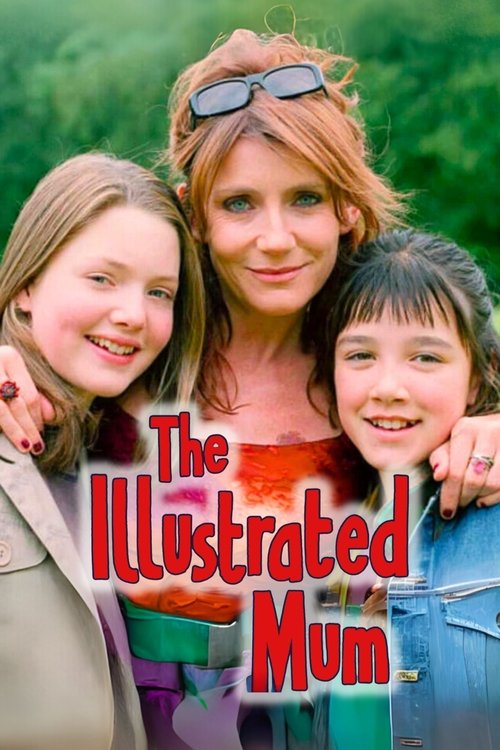
In the ending of "The Illustrated Mum," Dolphin and her sister, Star, confront the reality of their mother's mental illness. After a series of tumultuous events, they find a way to support each other and come to terms with their mother's struggles. The film concludes with a sense of hope as the sisters bond over their shared experiences and look towards a future where they can navigate their lives together.
As the film approaches its conclusion, the atmosphere is charged with tension and emotional weight. Dolphin, the older sister, has been grappling with the chaotic life brought on by their mother, Marigold, whose mental health has been deteriorating. The sisters have witnessed their mother's erratic behavior, which has often left them feeling abandoned and confused.
In a pivotal scene, Dolphin and Star are at home when Marigold, in a moment of clarity, expresses her love for them. She reveals her deep-seated fears and insecurities, which have been exacerbated by her mental illness. This moment is raw and emotional, showcasing Marigold's vulnerability. Dolphin, who has been the more responsible sibling, feels a mix of compassion and frustration. She understands her mother's struggles but is also burdened by the responsibilities that have fallen on her shoulders.
As the story unfolds, the sisters decide to take a stand. They confront their mother about her behavior and the impact it has had on their lives. This confrontation is intense, filled with tears and raised voices, as Marigold struggles to comprehend the pain she has caused. Dolphin, in particular, expresses her feelings of neglect and the fear that their family might fall apart. Star, who has often been the quieter sister, finds her voice and supports Dolphin, emphasizing the need for their mother to seek help.
In the climax of the film, Marigold has a breakdown, leading to a moment where she is taken away for treatment. This is a turning point for the family. Dolphin and Star are left to process their emotions, feeling a mix of relief and sadness. They realize that while their mother's illness is a significant part of their lives, they must also focus on their own well-being.
The final scenes depict Dolphin and Star finding solace in each other. They sit together, sharing memories and dreams for the future. The bond between them strengthens as they acknowledge the challenges they have faced and the love that still exists within their family, despite the turmoil. The film closes on a hopeful note, suggesting that while the road ahead may be difficult, the sisters are determined to support one another and navigate their lives together.
In summary, Dolphin and Star emerge from the chaos with a renewed sense of purpose and connection. Marigold's fate remains uncertain as she begins her journey towards recovery, but the sisters are ready to face whatever comes next, united in their love and resilience.
Is there a post-credit scene?
The Illustrated Mum, produced in 2003, does not have a post-credit scene. The film concludes with a poignant resolution to the story, focusing on the relationship between the main characters, Dolphin and her mother, Marigold. The ending emphasizes themes of love, acceptance, and the complexities of family dynamics, leaving the audience with a sense of closure without any additional scenes after the credits.
What is the significance of the tattoos on Marigold's body?
The tattoos on Marigold's body serve as a visual representation of her emotional state and her struggles with mental health. Each tattoo tells a story, reflecting her past experiences, dreams, and the chaos in her life. They symbolize her desire for freedom and self-expression, but also her inner turmoil and the burden of her mental illness.
How does Dolphin's relationship with her mother, Marigold, evolve throughout the film?
Dolphin's relationship with her mother, Marigold, is complex and evolves significantly throughout the film. Initially, Dolphin idolizes her mother, despite her erratic behavior. As the story progresses, Dolphin becomes increasingly aware of Marigold's struggles with mental illness, leading to feelings of frustration, anger, and a desire for normalcy. This evolution culminates in Dolphin's struggle to balance her love for her mother with the need to protect herself and her younger sister, Star.
What role does the character of Star play in the family dynamic?
Star, Dolphin's younger sister, plays a crucial role in the family dynamic as the innocent and vulnerable child who often becomes the emotional anchor for both Dolphin and Marigold. Her presence highlights the impact of Marigold's mental illness on the family, as Dolphin often feels the need to take on a protective role for Star. Star's innocence contrasts with the chaos around her, and her interactions with both Dolphin and Marigold reveal the deep bonds of love and responsibility within the family.
How does Dolphin cope with the challenges of her home life?
Dolphin copes with the challenges of her home life through a mix of resilience and escapism. She often finds solace in her friendships and her love for art, using drawing as a way to express her feelings and escape the harsh realities of her situation. Dolphin also takes on a caretaker role for her sister, which provides her with a sense of purpose, but also adds to her emotional burden as she navigates the complexities of her mother's mental health.
What events lead to Marigold's hospitalization, and how does it affect Dolphin and Star?
Marigold's hospitalization is precipitated by a series of escalating episodes related to her mental illness, including erratic behavior and neglect of her responsibilities as a mother. This culminates in a particularly intense moment where her instability becomes too much for Dolphin and Star to handle. Marigold's hospitalization profoundly affects both Dolphin and Star, as they are left to grapple with feelings of abandonment, fear, and uncertainty about their future, forcing Dolphin to confront her role as a caretaker and the reality of their family situation.
Is this family friendly?
"The Illustrated Mum," produced in 2003, is a poignant drama that explores complex themes of family dynamics, mental health, and the struggles of growing up. While it is a touching story, there are several aspects that may be considered objectionable or upsetting for children or sensitive viewers:
-
Mental Health Issues: The film addresses the mother's struggles with mental illness, which may be distressing for younger viewers or those sensitive to such topics.
-
Emotional Turmoil: The children experience significant emotional distress due to their mother's erratic behavior and the instability it brings to their lives.
-
Family Conflict: There are scenes of conflict and tension within the family, including arguments and moments of despair that may be unsettling.
-
Themes of Abandonment: The children grapple with feelings of neglect and abandonment, which can be heavy and difficult for younger audiences to process.
-
Visual Depictions of Mental Illness: The mother's behavior is sometimes erratic and unpredictable, which may be alarming or confusing for children.
-
Difficult Relationships: The film portrays complex relationships, including feelings of resentment and love, which may be challenging for younger viewers to understand fully.
Overall, while "The Illustrated Mum" offers valuable lessons about love and resilience, its exploration of serious themes may not be suitable for all children or sensitive individuals.








