



Popular
What challenges did the filmmakers face while shooting in the Amazon rainforest?
How did the cast and crew prepare for their roles in Cannibal Holocaust?
What was the significance of the character Faye in the making of Cannibal Holocaust?
How did the filmmakers depict the indigenous tribes in Cannibal Holocaust?
What role did the documentary footage play in the narrative of Cannibal Holocaust?
Should I watch it?
Ask Your Own Question

What is the plot?
Sorry, we aren't able to watch and write up a full detailed plot yet. Check back in a few days.
More Movies Like This
Browse All Movies →
What is the ending?
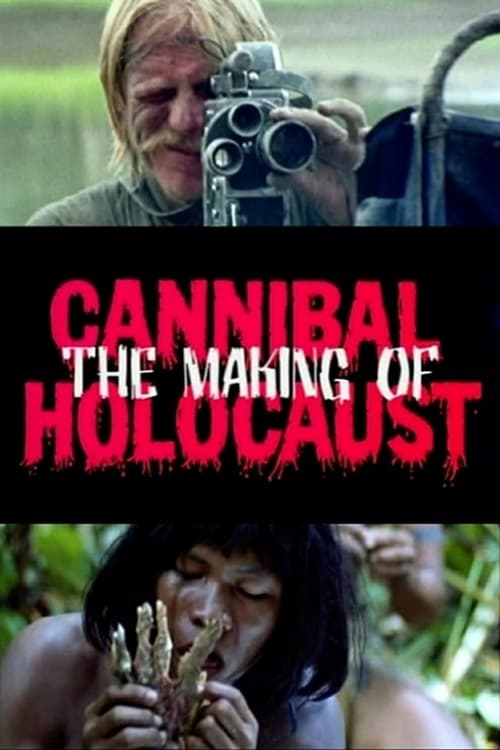
In the Jungle: The Making Of Cannibal Holocaust concludes with a reflection on the controversial legacy of the film Cannibal Holocaust, showcasing the impact it had on its creators and the film industry. The documentary highlights the moral dilemmas faced by the filmmakers and the reactions of audiences to the film's graphic content.
As the documentary progresses towards its conclusion, it revisits the aftermath of the original film's release. The filmmakers, particularly Ruggero Deodato, express their mixed feelings about the notoriety and backlash that Cannibal Holocaust received. Deodato discusses the legal troubles he faced, including accusations of obscenity and animal cruelty, which led to a trial in Italy. He reflects on the emotional toll this took on him, revealing a sense of regret intertwined with pride for the film's artistic intentions.
The documentary also features interviews with cast members, who share their experiences during the filming and the lasting effects it had on their lives. Some express a sense of disillusionment with the horror genre, while others acknowledge the film's cult status and its influence on future filmmakers.
The ending encapsulates the dichotomy of horror and artistry, leaving viewers to ponder the ethical implications of filmmaking and the boundaries of storytelling.
In a more detailed narrative:
As the documentary approaches its final scenes, the camera shifts to Ruggero Deodato, the director of Cannibal Holocaust. He sits in a dimly lit room, the weight of his past evident in his furrowed brow. He recounts the tumultuous aftermath of the film's release, where the line between art and exploitation blurred. The screen flashes with images of protests and legal battles, underscoring the public's outrage over the film's graphic violence and the treatment of animals.
Deodato's voice carries a mix of pride and regret as he reflects on the trial that followed. He recalls the courtroom, filled with journalists and spectators, where he faced accusations of obscenity. The tension is palpable as he describes the moment he had to defend his work, emphasizing the artistic vision behind the film. The documentary intercuts with clips from Cannibal Holocaust, juxtaposing the visceral imagery with Deodato's somber reflections.
Next, the focus shifts to the cast members, who share their own stories. One actor, visibly shaken, recalls the intense filming conditions in the Amazon rainforest. He describes the fear and uncertainty they faced, not just from the script but from the environment itself. The camera captures his emotional struggle as he grapples with the film's legacy, admitting that the experience changed him forever.
Another cast member, with a hint of nostalgia, speaks about the camaraderie formed during the shoot. Yet, there is an underlying tension in his voice as he acknowledges the darker aspects of their work. The documentary highlights the duality of their experiences--both thrilling and traumatic.
As the final moments unfold, the documentary emphasizes the lasting impact of Cannibal Holocaust on the horror genre. Clips of modern filmmakers discussing the film's influence play alongside Deodato's reflections. He acknowledges that while the film was controversial, it sparked conversations about the nature of violence in cinema and the responsibilities of filmmakers.
The screen fades to black, leaving viewers with a haunting sense of the complexities surrounding Cannibal Holocaust. The documentary concludes with a poignant reminder of the fine line between reality and fiction, and the moral questions that linger long after the credits roll. The fates of the main characters--Deodato, the cast, and the film itself--are intertwined in a legacy that continues to provoke thought and debate in the world of cinema.
Is there a post-credit scene?
In the movie "In the Jungle: The Making of Cannibal Holocaust," there is no post-credit scene. The documentary focuses on the behind-the-scenes aspects of the controversial film "Cannibal Holocaust," exploring the challenges faced during its production, the ethical dilemmas involved, and the impact it had on the film industry and audiences. The film concludes without any additional scenes or content after the credits roll, maintaining its focus on the historical and contextual analysis of the original film rather than extending the narrative with further material.
What challenges did the filmmakers face while shooting in the Amazon rainforest?
The filmmakers encountered numerous challenges while shooting in the Amazon rainforest, including harsh weather conditions, difficult terrain, and the threat of wildlife. The dense jungle environment posed logistical issues, making it hard to transport equipment and crew. Additionally, the crew had to navigate the complexities of working with indigenous tribes, which added layers of tension and unpredictability to the production.
How did the cast and crew prepare for their roles in Cannibal Holocaust?
The cast and crew underwent extensive preparation for their roles in Cannibal Holocaust. They engaged in workshops to understand the psychological and emotional depth of their characters. The actors, particularly those playing the documentary filmmakers, studied real-life journalists and documentarians to embody their motivations and ethical dilemmas. This preparation was crucial for portraying the intense and often disturbing themes of the film.
What was the significance of the character Faye in the making of Cannibal Holocaust?
Faye, portrayed as a strong-willed and determined character, served as a focal point for the moral conflicts within the film. Her character's journey highlighted the ethical implications of documentary filmmaking and the impact of exploitation on both the subjects and the filmmakers. Faye's emotional struggles and her interactions with the other characters revealed the complexities of human nature in extreme situations.
How did the filmmakers depict the indigenous tribes in Cannibal Holocaust?
The filmmakers aimed to portray the indigenous tribes with a mix of authenticity and sensationalism, which sparked significant controversy. They conducted research to understand the tribes' cultures and practices, but the depiction often leaned towards the exploitative. The film's portrayal raised questions about representation and the ethics of filming marginalized communities, reflecting the filmmakers' internal conflicts during production.
What role did the documentary footage play in the narrative of Cannibal Holocaust?
The documentary footage served as a critical narrative device that blurred the lines between reality and fiction. It was used to illustrate the filmmakers' descent into moral ambiguity and the consequences of their actions. The footage not only advanced the plot but also provided a stark contrast to the scripted scenes, emphasizing the film's commentary on the nature of violence and the voyeuristic tendencies of audiences.
Is this family friendly?
"In the Jungle: The Making of Cannibal Holocaust" is not family-friendly and contains several potentially objectionable or upsetting aspects.
-
Graphic Violence: The documentary discusses the extreme violence depicted in the film "Cannibal Holocaust," including scenes of animal cruelty and human violence that may be distressing.
-
Animal Cruelty: There are discussions and footage related to the real killing of animals during the making of the film, which can be upsetting for viewers sensitive to animal welfare.
-
Disturbing Themes: The film explores themes of exploitation, cultural insensitivity, and the moral implications of filmmaking, which may be challenging for younger audiences to comprehend.
-
Strong Language: The documentary includes strong language and adult themes that may not be suitable for children.
-
Emotional Distress: Interviews with cast and crew reveal the emotional toll and ethical dilemmas faced during production, which may evoke discomfort or distress.
Overall, the content is intended for mature audiences and may not be appropriate for children or sensitive viewers.








