













Popular
What motivates the character of the Reverend in Deacons for Defense?
How does the formation of the Deacons for Defense impact the community?
What internal conflicts does the character of the Deacon face throughout the film?
How does the relationship between the Deacons evolve throughout the film?
What role does the local law enforcement play in the story of Deacons for Defense?
Should I watch it?
Ask Your Own Question

What is the plot?
Sorry, we aren't able to watch and write up a full detailed plot yet. Check back in a few days.
More Movies Like This
Browse All Movies →








What is the ending?
In the ending of "Deacons for Defense," the community stands united against the threats they face, and the Deacons successfully protect their neighborhood. The film concludes with a sense of hope and resilience, showcasing the impact of their actions on the community and the personal growth of the characters involved.
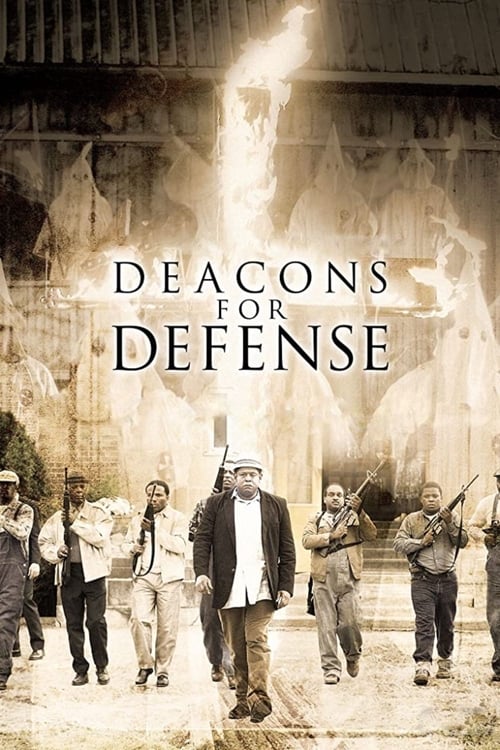
As the film approaches its conclusion, the tension in the town escalates. The Deacons, led by the determined and passionate leader, the Reverend, prepare for a confrontation with the Ku Klux Klan, who have been terrorizing the African American community. The Deacons, armed and resolute, gather in a show of solidarity, ready to defend their rights and their homes.
In a pivotal scene, the Deacons confront the Klan members who have come to intimidate them. The atmosphere is thick with fear and anticipation. The Reverend stands at the forefront, embodying the courage and determination of the group. He speaks passionately about the need for self-defense and the right to protect their families. The Deacons, fueled by a mix of anger and hope, stand firm, refusing to back down.
As the Klan members approach, the tension reaches a boiling point. The Deacons hold their ground, and a standoff ensues. The Reverend's leadership shines through as he urges his fellow Deacons to remain calm and focused. The Klan, sensing the resolve of the Deacons, ultimately decides to retreat, realizing that they are no longer able to instill fear in the community.
In the aftermath of the confrontation, the community begins to heal. The Deacons are celebrated as heroes, having stood up against oppression and violence. The Reverend reflects on the journey they have taken, acknowledging the sacrifices made and the strength found in unity. The film closes with a sense of hope, as the community looks toward a future where they can live without fear.
The fates of the main characters are intertwined with the community's victory. The Reverend emerges as a respected leader, having inspired his fellow Deacons and the community to stand up for their rights. Other key members of the Deacons also find a renewed sense of purpose and pride, having played a crucial role in defending their neighborhood. The film ends on a note of resilience, emphasizing the importance of standing together in the face of adversity.
Is there a post-credit scene?
The movie "Deacons for Defense," produced in 2005, does not contain a post-credit scene. The film concludes its narrative without any additional scenes or content after the credits roll. The story wraps up with a focus on the struggles and triumphs of the Deacons as they fight for civil rights and community protection in the racially charged atmosphere of the 1960s. The ending emphasizes the impact of their actions and the ongoing fight for justice, leaving the audience with a sense of resolution regarding the characters' journeys.
What motivates the character of the Reverend in Deacons for Defense?
The Reverend, played by Forest Whitaker, is driven by a deep sense of responsibility to protect his community from the violence and oppression they face. His faith and commitment to civil rights fuel his desire to take action, leading him to support the formation of the Deacons for Defense.
How does the formation of the Deacons for Defense impact the community?
The formation of the Deacons for Defense brings a sense of empowerment and safety to the African American community. It transforms the residents from feeling vulnerable and oppressed to taking a stand against racial violence, fostering unity and courage among them.
What internal conflicts does the character of the Deacon face throughout the film?
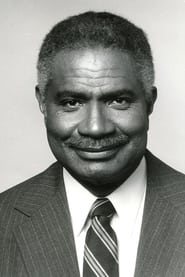
The Deacon, portrayed by Ossie Davis, grapples with the fear of violence and the moral implications of taking up arms. He struggles between his desire to protect his family and community and the potential consequences of engaging in armed defense.
How does the relationship between the Deacons evolve throughout the film?
Initially, the Deacons have differing views on how to address the violence in their community. As they face external threats together, their bond strengthens, leading to a shared understanding of the necessity of their actions and a commitment to their cause.
What role does the local law enforcement play in the story of Deacons for Defense?
Local law enforcement is depicted as largely ineffective and often complicit in the racial violence faced by the African American community. Their lack of support and protection drives the Deacons to take matters into their own hands, highlighting the systemic failures in addressing racial injustice.
Is this family friendly?
"Deacons for Defense," produced in 2005, is a historical drama that deals with themes of racial tension, civil rights, and community activism. While it is an important film that addresses significant social issues, it may not be considered family-friendly for younger audiences or sensitive viewers due to several potentially objectionable aspects:
-
Racial Violence: The film depicts instances of racial discrimination and violence, including threats and intimidation against African American families, which may be distressing for children.
-
Confrontational Scenes: There are moments of intense confrontation between community members and those opposing their civil rights efforts, which can evoke strong emotions and may be unsettling.
-
Emotional Struggles: Characters experience deep emotional turmoil related to their fight for justice, including fear for their safety and the safety of their families, which may be heavy for younger viewers to process.
-
Historical Context: The film addresses the harsh realities of the civil rights movement, including systemic racism and the struggles faced by African Americans, which may require a level of maturity to fully understand.
-
Language: There may be instances of strong language or derogatory terms used in the context of the racial tensions depicted, which could be inappropriate for children.
Overall, while "Deacons for Defense" serves as an important narrative about courage and community, its themes and content may not be suitable for all audiences, particularly younger children or those sensitive to issues of racial violence and discrimination.








