







Popular
What motivates the character of Janne to take hostages during the Norrmalmstorg robbery?
How does the relationship between Janne and the hostages evolve throughout the film?
What role does the police play in the Norrmalmstorg incident as depicted in the film?
How does the film depict the media's involvement during the hostage situation?
What are the key emotional turning points for Janne during the hostage crisis?
Should I watch it?
Ask Your Own Question

What is the plot?
Sorry, we aren't able to watch and write up a full detailed plot yet. Check back in a few days.
More Movies Like This
Browse All Movies →





What is the ending?
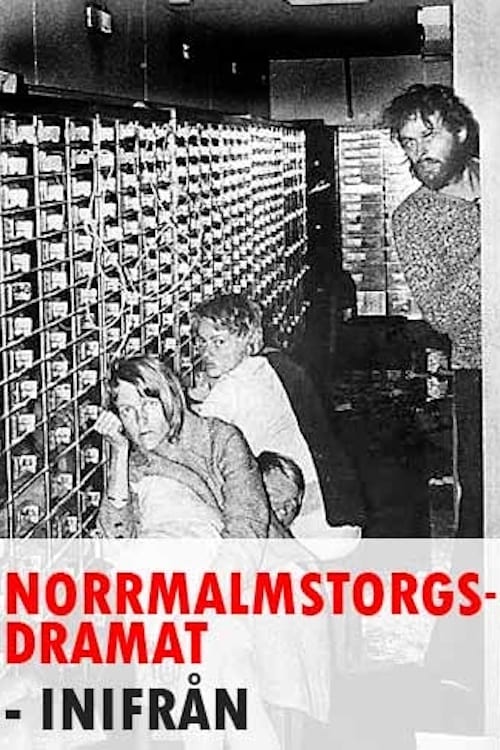
In the ending of "Norrmalmstorgsdramat inifrån," the hostages are finally released after a tense standoff with the police. The main character, the bank robber, is apprehended, and the emotional turmoil of the hostages is revealed as they process their traumatic experience. The film concludes with a sense of ambiguity regarding the motivations and psychological states of both the captor and the captives.
As the climax of the film unfolds, the scene shifts to the bank where the hostages have been held for several days. The atmosphere is thick with tension; the captor, who has developed a complex relationship with the hostages, is visibly agitated. The police have surrounded the building, and negotiations are ongoing. The hostages, including a woman who has formed a bond with the captor, are caught in a whirlwind of fear and confusion, their emotions fluctuating between hope and despair.
In a pivotal moment, the captor, feeling cornered and desperate, makes a decision that will change everything. He releases one of the hostages, a young woman, as a gesture of goodwill, hoping to negotiate his own freedom. The police, observing this act, begin to strategize their next move. The tension escalates as the remaining hostages are left to grapple with their own feelings of safety and loyalty towards the captor, who has shown moments of kindness amidst the chaos.
As the standoff continues, the police finally decide to storm the bank. The scene is chaotic; the sound of shouting and the rush of officers create a cacophony that heightens the sense of urgency. The captor, realizing that his time is running out, becomes increasingly erratic. He holds the remaining hostages close, trying to maintain control over the situation, but the police are relentless.
In the final moments, the police breach the bank, and a flurry of activity ensues. The hostages are quickly ushered to safety, but the captor is apprehended. The emotional weight of the situation is palpable as the hostages, now free, are left to process their trauma. They share glances filled with a mix of relief and lingering fear, their experiences forever altered by the ordeal.
The film concludes with a somber reflection on the events that transpired. The captor is taken away in handcuffs, his face a mask of defeat and confusion. The hostages, while physically safe, are left to confront the psychological scars of their experience. The final scenes linger on their faces, capturing the complexity of their emotions--relief, trauma, and an unshakeable bond formed through shared adversity. The screen fades to black, leaving the audience to ponder the intricate dynamics of fear, power, and human connection that unfolded during the harrowing events of the Norrmalmstorg robbery.
Is there a post-credit scene?
The movie "Norrmalmstorgsdramat inifrån," produced in 2003, does not contain a post-credit scene. The film focuses on the intense and dramatic events surrounding the 1973 bank robbery in Stockholm, which led to the phenomenon known as Stockholm Syndrome. The narrative concludes with the resolution of the hostage situation, emphasizing the emotional and psychological aftermath for both the hostages and the robbers. The film wraps up without any additional scenes after the credits, leaving the audience to reflect on the complexities of human emotions and relationships that were explored throughout the story.
What motivates the character of Janne to take hostages during the Norrmalmstorg robbery?
Janne, portrayed as a deeply troubled individual, is driven by a mix of desperation and a desire for attention. His internal struggles with feelings of inadequacy and societal rejection push him to commit the robbery, seeking a sense of power and control that he feels he lacks in his everyday life.
How does the relationship between Janne and the hostages evolve throughout the film?
Initially, the hostages are terrified and view Janne as a dangerous criminal. However, as the standoff continues, a complex dynamic develops. Janne shows moments of vulnerability, and some hostages begin to empathize with his plight, leading to a bond that blurs the lines between captor and captive.
What role does the police play in the Norrmalmstorg incident as depicted in the film?
The police are portrayed as both a tactical force and a psychological presence. Their attempts to negotiate with Janne reveal their struggle to balance the urgency of the situation with the need to protect the hostages. The film highlights their frustrations and the pressure they face as they try to resolve the standoff without bloodshed.
How does the film depict the media's involvement during the hostage situation?
The media is shown as a double-edged sword, amplifying the drama of the situation while also complicating it. Their relentless coverage creates a spectacle that influences public perception and adds pressure on both Janne and the police, showcasing the chaotic intersection of crime and media sensationalism.
What are the key emotional turning points for Janne during the hostage crisis?
Key emotional turning points for Janne include moments of doubt and reflection, particularly when he interacts with the hostages. As he reveals his vulnerabilities, he oscillates between aggression and a desire for connection, leading to a profound internal conflict that shapes his actions throughout the crisis.
Is this family friendly?
"Norrmalmstorgsdramat inifrån" is a dramatization of the 1973 bank robbery in Stockholm that led to the term "Stockholm syndrome." The film contains several elements that may be objectionable or upsetting for children or sensitive viewers.
-
Violence and Threats: The film depicts a bank robbery where hostages are taken, and there are moments of intense confrontation and threats that may be distressing.
-
Emotional Distress: The characters experience significant emotional turmoil, fear, and anxiety throughout the hostage situation, which could be unsettling for younger viewers.
-
Hostage Situations: The portrayal of hostages and their interactions with the captors can be intense, showcasing the psychological strain and fear involved.
-
Realistic Depictions of Crime: The film presents a realistic view of a criminal act, which may not be suitable for children due to its serious nature.
-
Mature Themes: The exploration of psychological dynamics between captors and hostages may be complex and difficult for younger audiences to understand.
Overall, the film's themes and content may not be appropriate for a family-friendly viewing experience.







